
The festive season brings sun-soaked holidays, long-awaited reunions, and well-deserved rest, but it can also be one of the most disruptive months for your skin. Between dry cabin air, airport stress, heat, humidity, and days spent in the ocean or sunshine, your skin faces a unique blend of environmental stressors that can accelerate dehydration, sensitivity, breakouts, and pigmentation. But this is where smart skincare changes everything…

This guide distils the latest in skin science and the essential travel dos and don’ts into practical skincare guidance – so you can enjoy your holiday while keeping your skin healthy, balanced, and luminous.
Why Flying Dehydrates the Skin and What to Do
Even a short flight is enough to dehydrate your skin noticeably – and long-haul travel can leave it dull, tight, flaky, and more reactive to sun and heat once you land.
Here’s the science:
Cabin humidity drops to desert levels
Airplane cabins typically sit at 10–20% humidity – far lower than the 40–70% humidity range your skin needs to maintain barrier integrity. In low humidity, the air “pulls” moisture from your skin, accelerating transepidermal water loss (TEWL).
Research shows skin hydration drops by up to 37% during flights
Studies observing women on long-haul flights found that skin hydration (measured by capacitance) can decrease by 30–37%, with the cheek area being most affected. This is why so many people land with tight, flaky, or sensitised skin.
A compromised barrier becomes more pigment-prone
When the skin is dehydrated, the barrier becomes less resilient – and that makes melanocytes (pigment-producing cells) more reactive. If you’re heading into strong sun, that combination can easily trigger or worsen pigmentation.
Your In-Flight Skin Routine
To keep your skin resilient from take-off to landing, focus on hydrating deeply, sealing in moisture, and protecting your barrier throughout the flight.
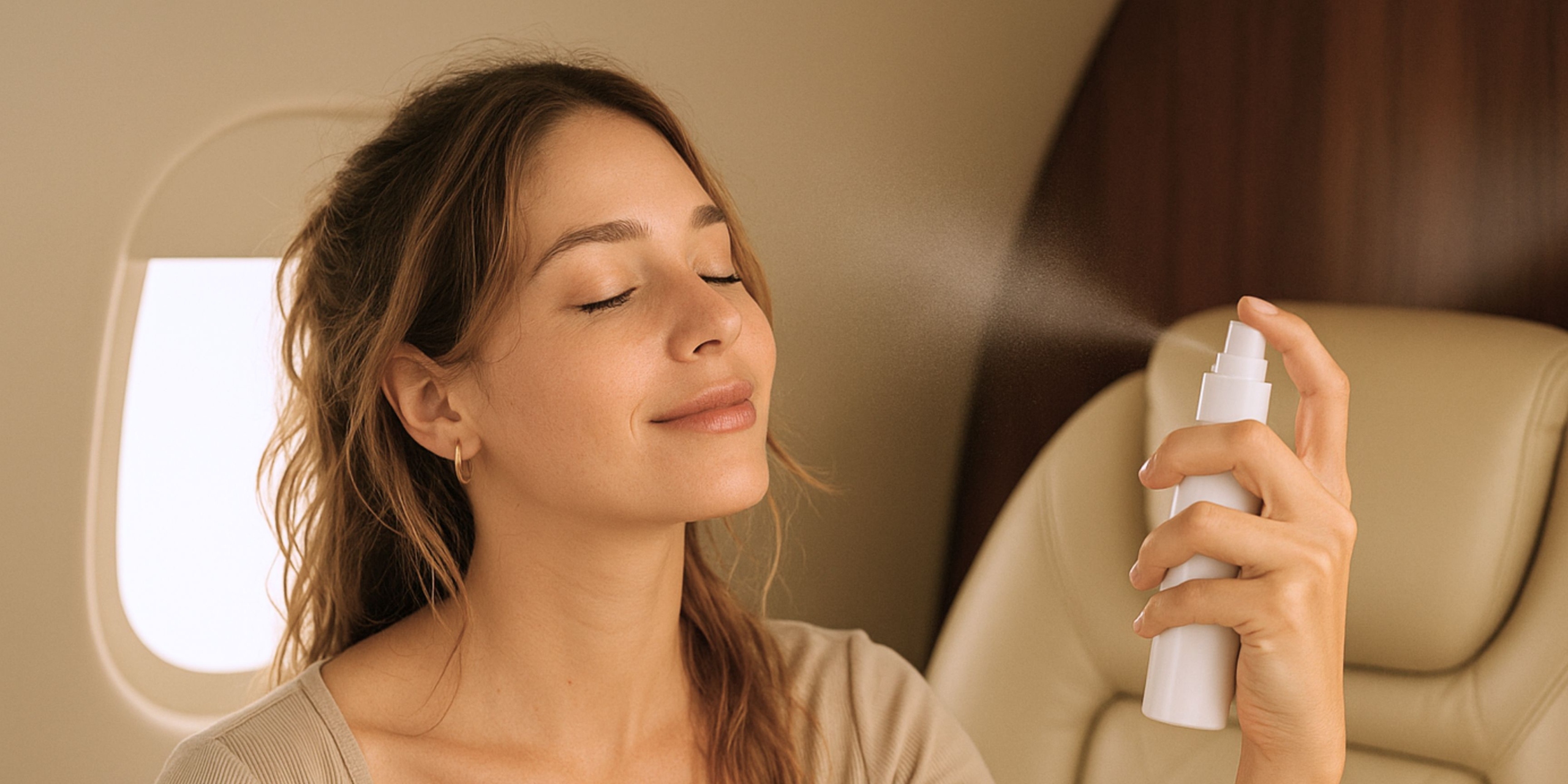
Start by applying a humectant-rich serum (such as a hyaluronic acid) to draw water into the skin, then follow with a nourishing moisturiser (think ceramides) to lock that hydration in and shield the barrier from the cabin’s extremely dry air.
During the flight, refresh your skin every few hours with a hydrating mist to counteract rapid moisture loss, and don’t forget to apply SPF 50+ if you’re travelling during daylight or sitting near a window, as UV does penetrate airplane glass. For extra protection, consider a hydrating eye gel and nourishing lip balm to prevent the dryness and creasing that so often show up post-flight.
The key: Hydrate, seal, and protect before and during your flight.
SPF & Pigmentation Prevention for Beach Holidays
Once you arrive at your coastal destination, your skin is suddenly exposed to a trifecta that fuels pigmentation: UV rays, visible light, and heat. And if you’ve just stepped off a dehydrating flight, your barrier is more vulnerable than usual.
Why pigment-prone skin darkens at the beach:
-
UV radiation triggers melanocytes directly.
-
Visible light (especially blue light) worsens melasma in those predisposed to it.
-
Heat creates inflammation that stimulates pigment even without direct sun exposure.
-
Reflection from sand and water increases UV intensity.

Your non-negotiable holiday SPF strategy:
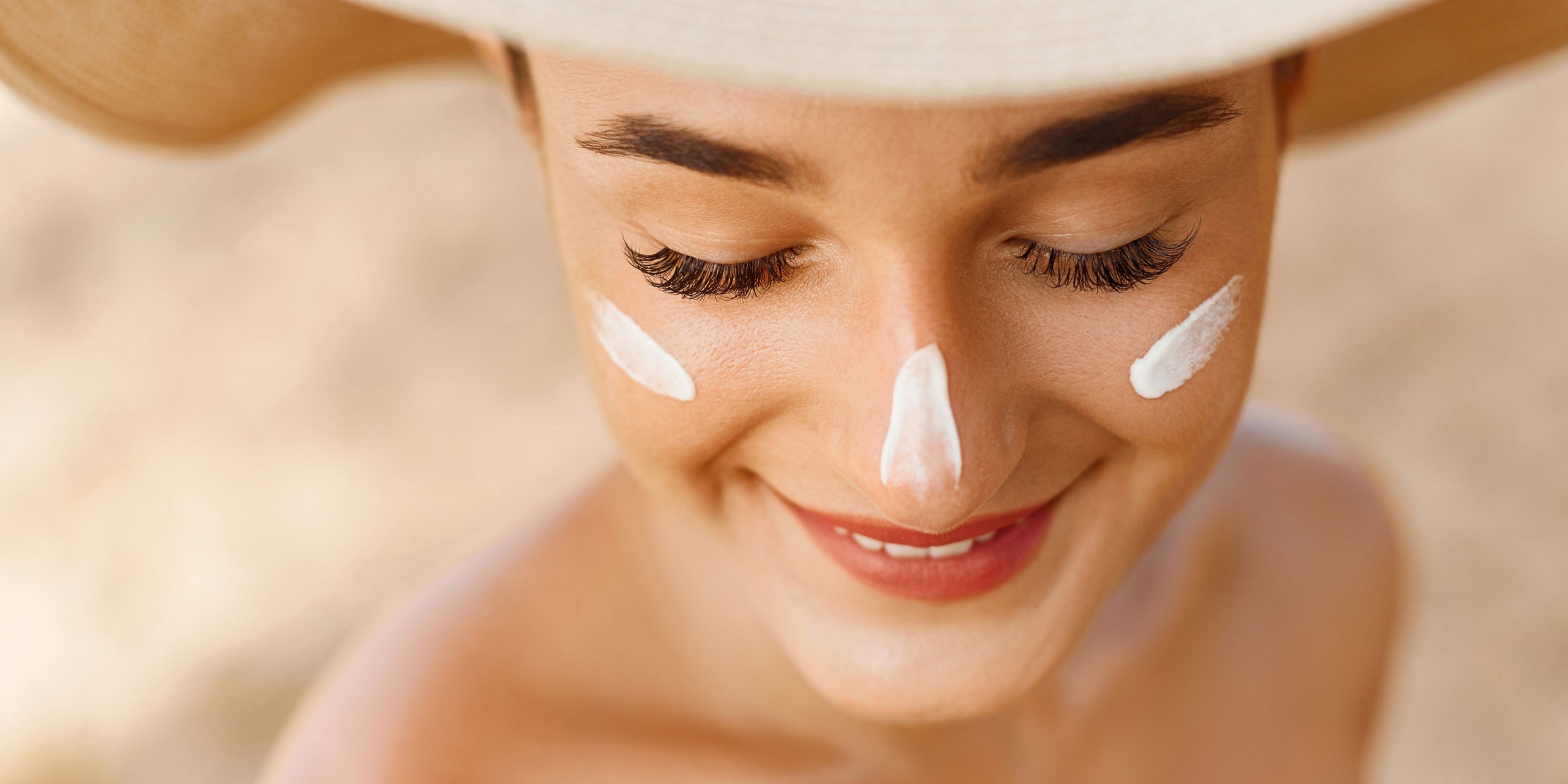
Use a broad-spectrum SPF 50+ daily, even on cloudy or windy beach days. For melasma or hyperpigmentation-prone skin, mineral filters, iron oxides, and antioxidants are especially beneficial.
✔ Apply 2-finger lengths to the face and neck
✔ Reapply every 2 hours outdoors
✔ Reapply after swimming
✔ Don’t forget ears, nose, lips, chest, and shoulders
Clothing, sunhats, and sunglasses remain essential – sunscreen alone cannot offset the combined effects of UV + heat + visible light.
Take a look at the Heliocare 360° Pigment Solution Fluid – ultra-light photoprotective fluid to prevent and correct solar hyperpigmentation and to unify the skin tone.
How Heat Affects Melasma and What to Do
Melasma is not just a “sun problem” – it’s a heat and inflammation problem too.
Dermatology research continues to confirm this: heat exposure alone can activate melanocytes, leading to darkening patches even in the absence of direct UV radiation.
How heat worsens hyperpigmentation:
-
Heat triggers inflammatory responses in the skin.
-
These signals stimulate melanocytes to increase pigment production.
-
Even short bursts of heat (cooking, exercise, saunas, hot climate travel) can intensify melasma.
-
High humidity combined with heat increases skin blood flow, amplifying this response.
This is why many clients return from December holidays with darker patches even when they’ve applied sunscreen diligently – the trigger wasn’t just UV; it was thermal stress.
How to protect pigment-prone skin from heat:
-
Seek shade when outdoors for long periods.
-
Use wide-brimmed hats to reduce direct heat exposure.
-
Keep skin cool with hydrating mists or thermal spring sprays.
-
Avoid heavy exfoliants or strong actives during peak heat hours.
-
Use calming, antioxidant-rich skincare daily.
Take a look at the NeoStrata Antioxidant Defense Serum – a day-time antioxidant serum for sun-damaged and dehydrated skin.
Your Beach or Coastal Skin Routine
When you’re spending your days by the ocean or in coastal heat, your skincare should focus on protection in the morning and repair in the evening.
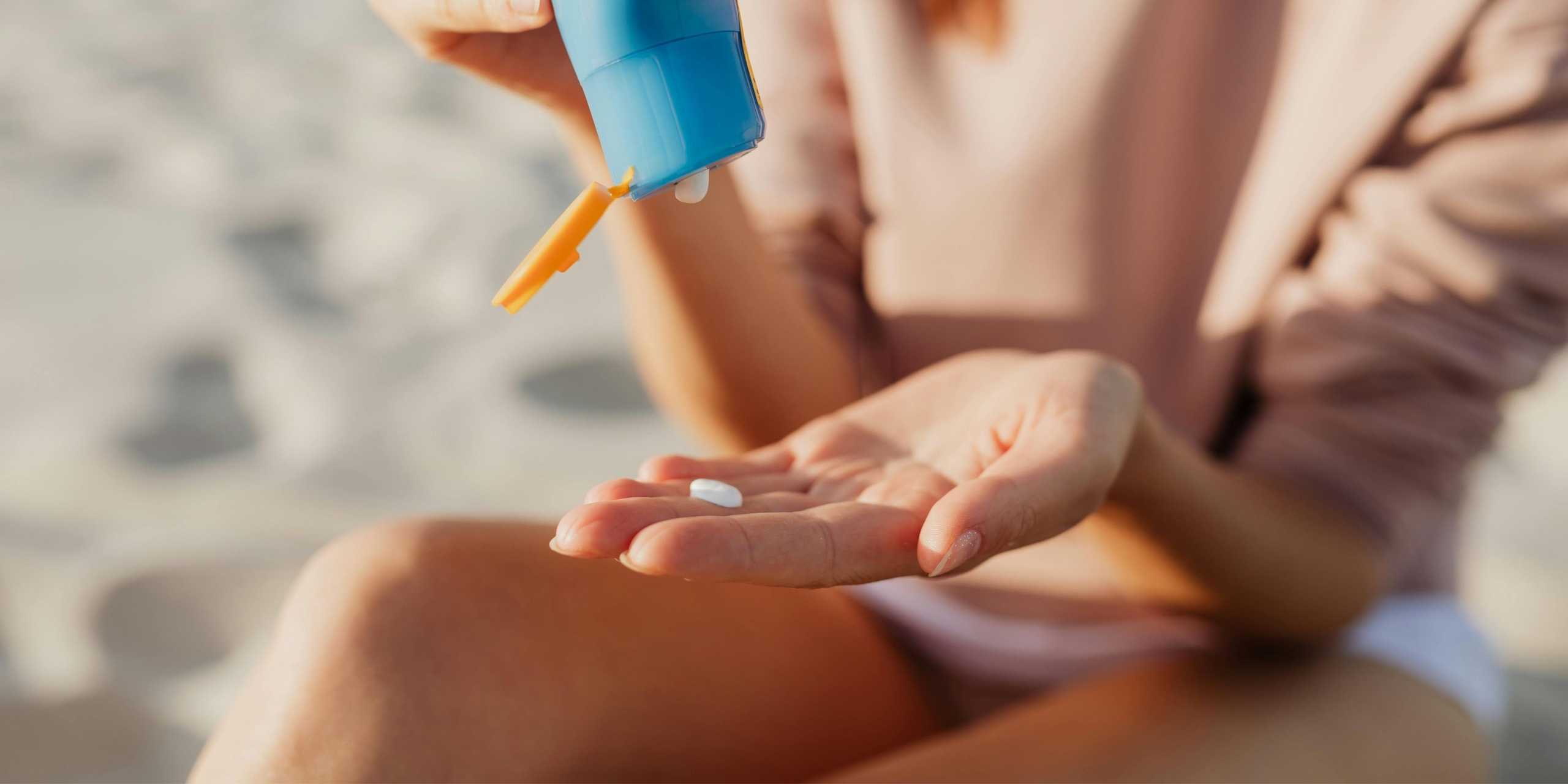
Start your day with a gentle cleanse, followed by an antioxidant serum to defend against UV- and heat-induced oxidative stress. Seal in hydration with a barrier-supporting moisturiser, then apply a broad-spectrum SPF 50+ – and remember to reapply every two hours when outdoors, especially after swimming or sweating.
In the evenings, cleanse thoroughly (double cleansing if you’ve worn sunscreen and makeup), then replenish moisture with a hydrating serum or soothe stressed skin with a calming formula. Finish with a nourishing night moisturiser to restore the barrier while you sleep.
Throughout your holiday, avoid the temptation to over-exfoliate; your skin is already working hard against sun, salt, and heat, and needs gentle, consistent care rather than aggressive actives.

Best Skin Treatments to Book After The Holidays
Holiday skin often arrives home dehydrated, dull, congested, or with a little more pigment than expected. This is the perfect time to reset, restore, and strengthen the skin before heading into the new year.
Below are the most beneficial post-holiday treatments available at Dr Nerina Wilkinson + Associates.
Moisture-Restoring and Barrier-Rebuilding Treatments
Ideal for: dullness, tightness, flaking, stress-related sensitivity
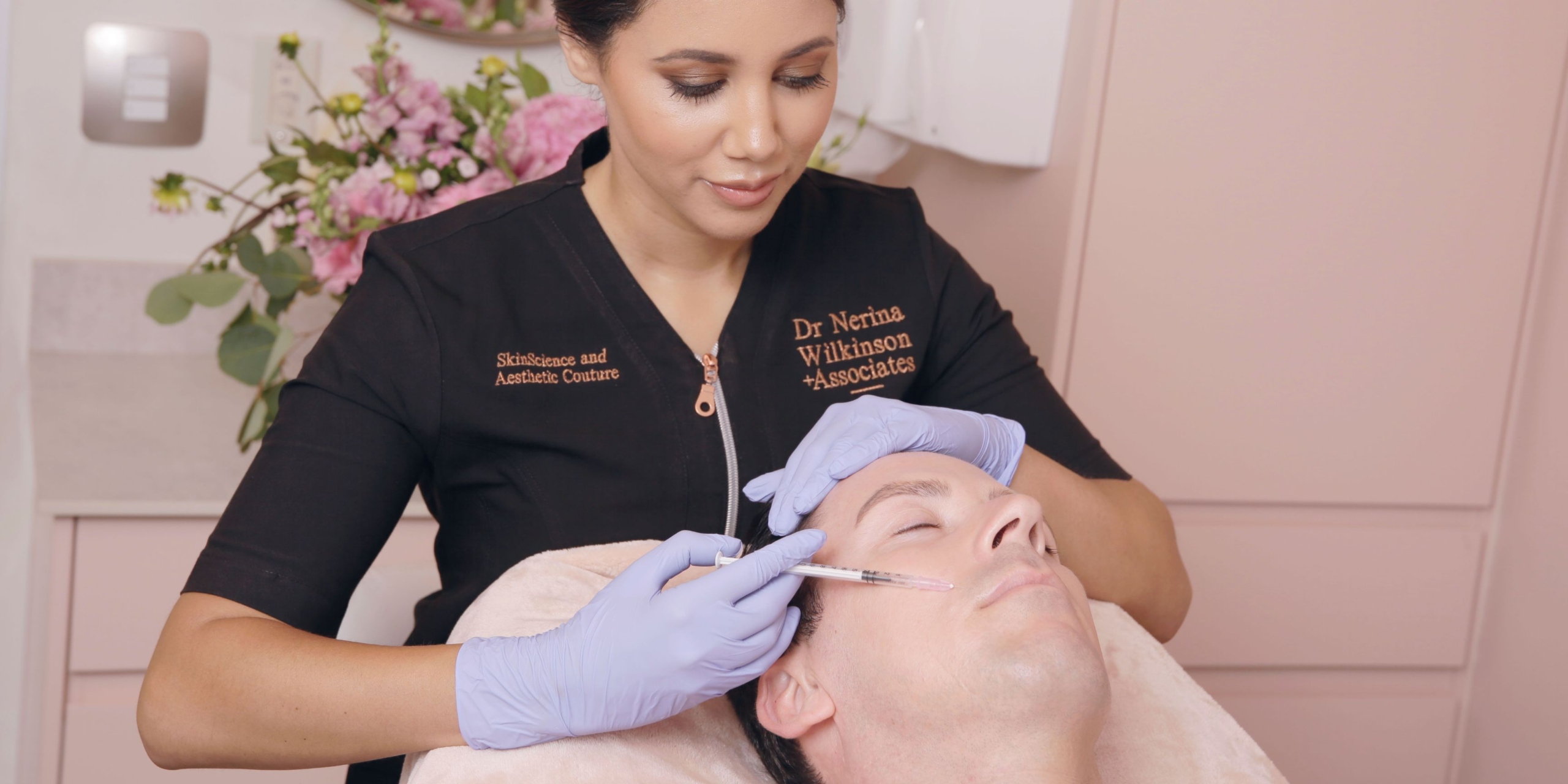
Treatments such as Cosmetic Mesotherapy deliver intensive hydration, replenish the skin barrier, and restore radiance after sun and travel exposure. Mesotherapy uses tiny superficial injections to infuse the skin with rejuvenating actives, stimulating repair and radiance without the downtime of more invasive treatments (making it a popular choice all year round).
Pigment-Correcting Treatments
Ideal for: melasma flare-ups, sun-induced pigmentation, uneven tone
Treatments such as MeLine Chemical Peels or Fruit Acid Peels are designed to address UV-induced dullness, dehydration, and early pigmentation by accelerating cell renewal and improving skin tone – delivering a fresh, even, more luminous complexion.
Collagen-Stimulating Treatments
Ideal for: fine lines, texture changes, post-summer ageing concerns
Heat and UV accelerate collagen breakdown. Treatments such as PRP Facials or Medical Skin Needling treatments help rebuild structure, firm the skin, and restore youthful density.

The Post-Holiday Skin Reset Consultation
Ideal for: clients wanting a personalised plan
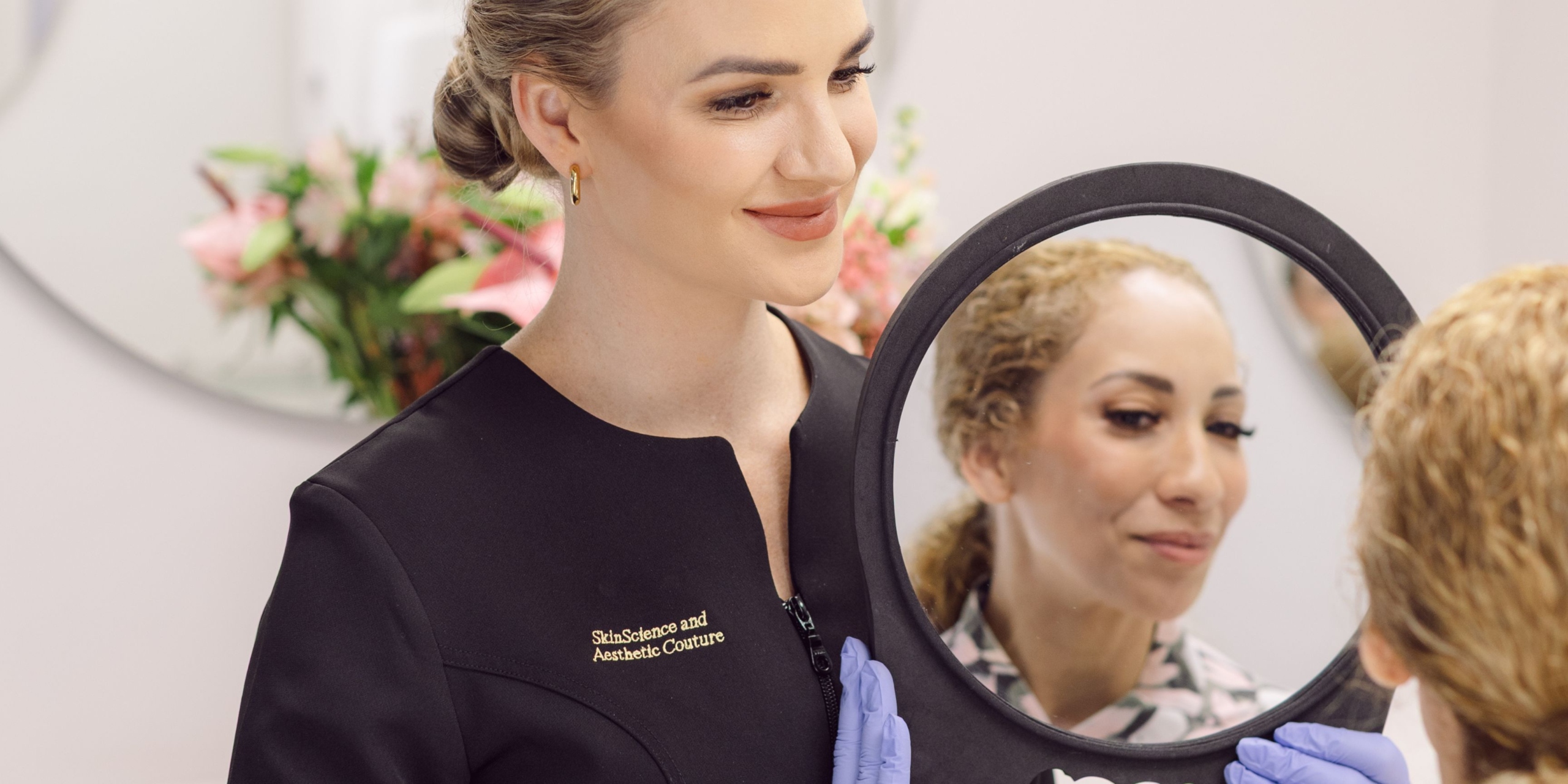
A personalised skin consultation in January allows our team to assess hydration levels, barrier integrity, pigment, and long-term skin goals – and design your 2026 skin plan with precision. This VISIA Skin Analysis is our advanced, computerised in-clinic imaging system that captures high-resolution, multi-spectral photographs to objectively measure and map your skin – including concerns not visible to the naked eye.
This comprehensive analysis forms part of your Skincare Specialist consultation and evaluates key markers such as wrinkles, pores, dehydration, redness, vascularity, superficial and deep pigmentation, acne-causing bacteria, skin type, and even your skin’s true age.
Before you board, remember…
Travel is one of life’s greatest pleasures – but your skin deserves the same care and preparation you give to your suitcase and itinerary. With the right protection, intelligent product choices, and a thoughtful post-holiday plan, your skin can look as refreshed as you feel.
As always, our team of skincare experts is here to guide you with personalised care grounded in advanced aesthetic science.
If you’d like to curate your holiday travel skincare kit or plan a post-holiday skin reset, we’d be honoured to support you.