You may have found yourself thinking it. Perhaps you have even said it out loud. “I don’t want surgery.”
And yet, somewhere beneath that thought, there may be another one quietly sitting beside it: “But I feel like I might need it.”
If that feels familiar, you are not alone.
In fact, this is one of the most common and most honest things I hear in consultation. Because what you are often really saying is not that you are against looking fresher or more supported. It is that you do not want to look artificial. You do not want to look overdone. You do not want to lose the face that feels like *you*.
You want to look like yourself — just less tired, less heavy, less pulled down by time. You want restoration, not reinvention. And that is exactly why the conversation around facial rejuvenation has changed so much.
Today, we are no longer in the era of aggressive pulling or obvious surgery. We are in a far more thoughtful era — one where facial rejuvenation is about restoring support, respecting identity, and combining surgery with regenerative treatments in a way that looks natural, elegant, and believable.
Why your non-surgical treatments may no longer be enough
If you have invested in your skin and face over the years, you may already have done many of the right things. You may have had beautiful skincare, laser resurfacing, radiofrequency, collagen stimulators, injectable treatments, skin boosters, or carefully placed filler. And often, these treatments can help wonderfully. They can brighten your skin. Refine texture. Stimulate collagen. Soften lines. Maintain a fresher look for years.
But they cannot stop anatomy.
This is often the point where you begin to feel a change, even if you cannot quite explain it. Your skin may still be in good condition. Your treatments may still be helping. And yet your face may feel heavier. Your jawline less defined. Your eyes more tired. Your lower face softer than it used to be.
You may look in the mirror and sense that what is bothering you is no longer only about the surface. That instinct is usually right.
Facial ageing is structural. It happens in layers. One of the most important of those deeper layers is called the SMAS, which stands for “the superficial musculoaponeurotic system”. You do not need to remember the name, but it helps to understand what it is. This is the deeper fibrous and muscular support layer of your face, sitting beneath the skin and fat. It plays an important role in holding your facial tissues in place and maintaining youthful support.
As you age, this support layer begins to loosen and descend. That is when you may start to notice jowls, heaviness in the lower face, deeper folds, softening of the jawline, and less definition in the neck. At the same time, the ligaments weaken, the fat compartments of the face deflate and shift, the skin becomes less elastic, and even the underlying bone changes slowly with age.
So facial ageing is never just about wrinkles. It is about the changing architecture of your face. You can improve your skin. You can stimulate collagen. You can replace selected areas of volume. But once the deeper structures have physically shifted downward, non-surgical treatments can only take you so far.
That is not because those treatments have failed you. It is simply because anatomy eventually asks for a different solution.

Why surgery has felt frightening for so many women
For many years, the word “facelift” carried a very particular image. It suggested tightness. Skin being pulled. Faces looking “done”. A loss of softness. A result that may have looked younger in one sense, but somehow less believable in another. That fear is understandable. Because what you are most likely afraid of is not surgery itself. It is the possibility of looking unlike yourself afterwards. And that is where modern facial rejuvenation has changed so profoundly.
We now understand that ageing is not only about sagging. It is also about emptiness. Your face does not simply fall with time — it also loses volume. Fat shifts. Support changes. The soft curves of youth flatten or hollow. Light no longer reflects in the same way.
This is why simply tightening a face is not enough.
In fact, if a face is lifted without restoring volume, it can sometimes look unnaturally tight or hollow. That is why the most elegant modern results come from a more sophisticated approach — one that lifts where needed, restores where needed, and respects your natural facial identity at every stage.
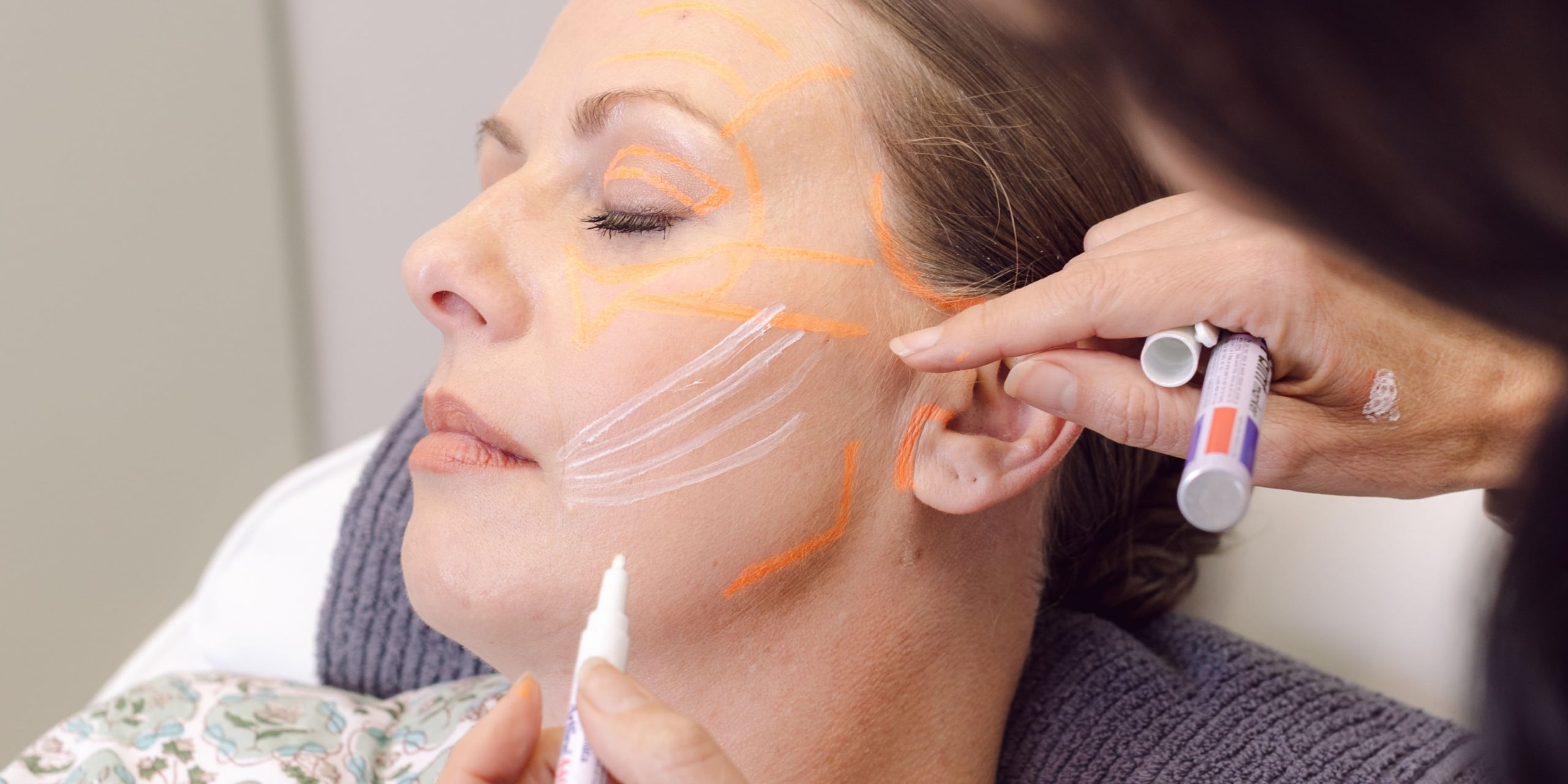
What regenerative facial rejuvenation means for you
When I speak about regenerative facial rejuvenation, I am talking about a philosophy of treatment. It means looking at your face as a whole, rather than chasing one isolated concern at a time.
It means understanding that true rejuvenation may involve:
- lifting deeper support structures through SMAS-based facelift surgery
- restoring lost volume with lipofilling using your own fat
- improving skin quality with laser or energy-based treatments
- supporting collagen production and long-term tissue vitality
- preparing your skin before surgery and maintaining results afterwards
The goal is not to transform you. The goal is to return your face, as gently and beautifully as possible, to a more supported, rested version of itself.
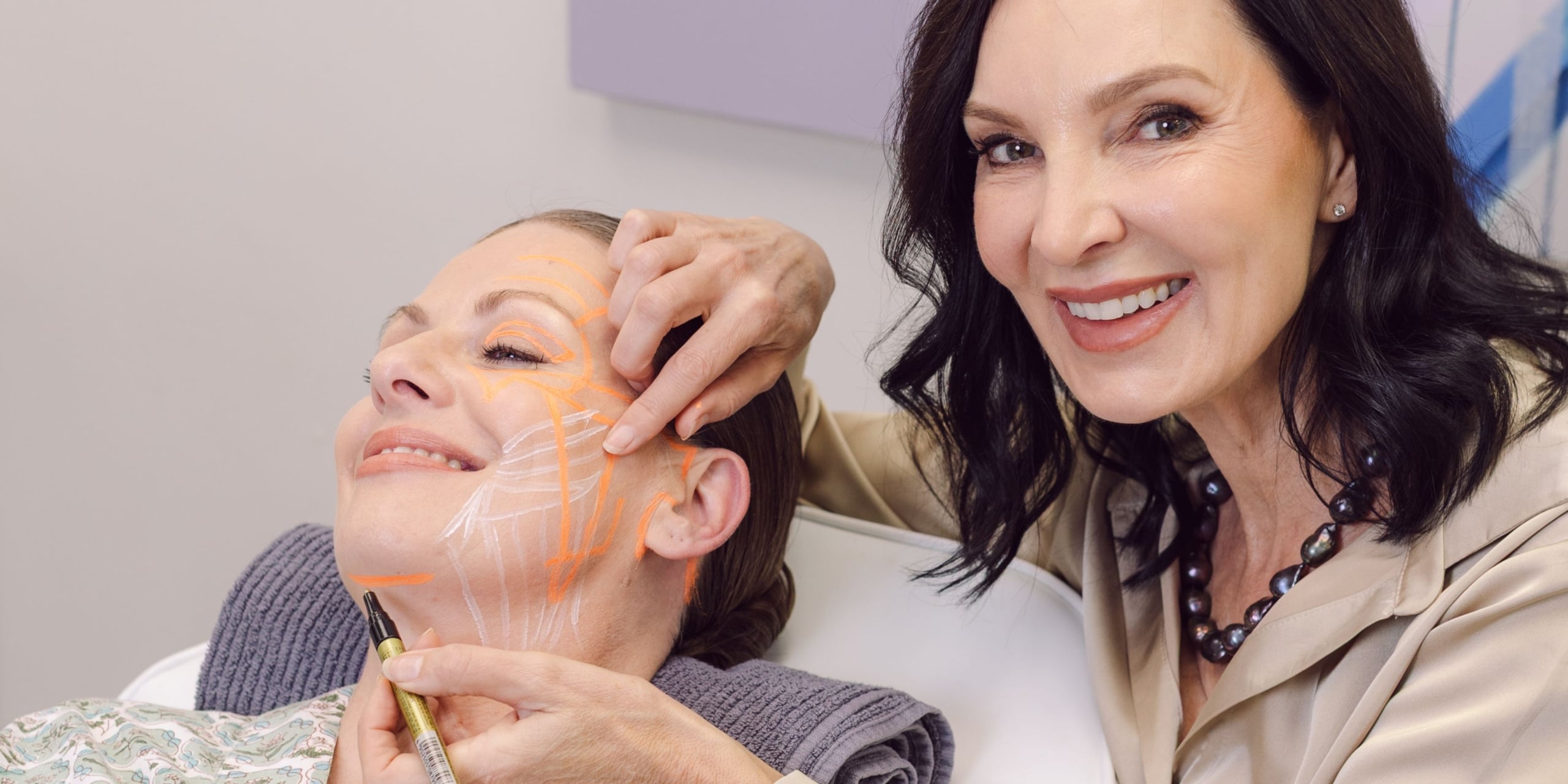
This is very much the philosophy behind my Bella Lift — a refined mini facelift approach designed for women who need elegant structural support without looking over-tightened or overworked. The Bella Lift is not about dramatic change. It is about natural repositioning, restoring definition, softening heaviness, and preserving the face that is uniquely yours.
Because the most beautiful result is not when someone says you look different. It is when they simply think you look well.
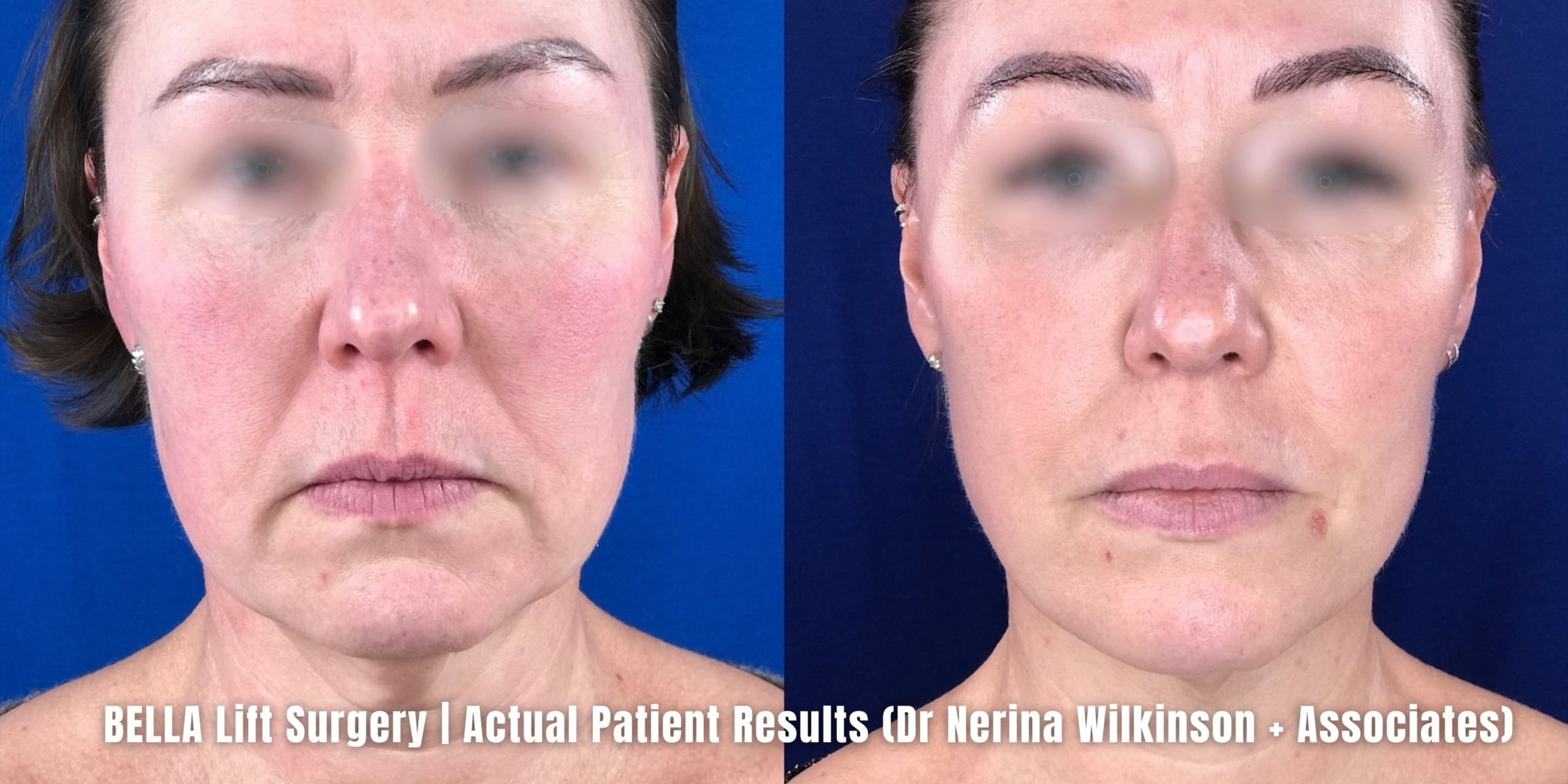
Why lipofilling changes everything
If there is one development that has transformed modern facial rejuvenation, it is the thoughtful use of lipofilling.
Lipofilling, or fat transfer, allows me to restore volume using your own living tissue. When fat is carefully harvested, purified, and placed, it does far more than simply fill a hollow. It restores contour, softens transitions, rebuilds support, and gives the face a much more natural quality than tightening alone ever could.
But what makes fat so special is that it is alive. It is not only volume. It also contains adipose-derived regenerative cells that can support tissue vitality, vascularity, and, in many cases, skin quality. That is what makes lipofilling such a powerful partner to lifting surgery. It allows me not only to reposition your face, but also to replenish it.
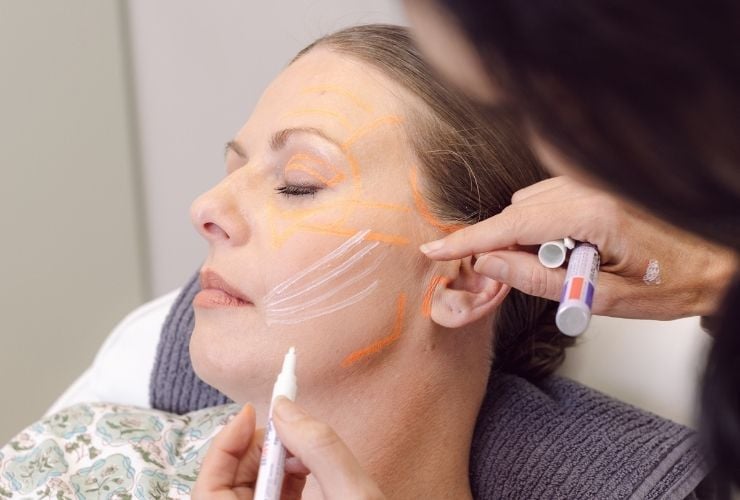
This regenerative philosophy lies at the heart of my scarless StemCell4DLift™ approach, where facial rejuvenation is not simply about lifting tissue, but about restoring your face in multiple dimensions through structural support, living volume, and improved tissue quality. By combining surgical repositioning with carefully placed fat transfer, I am able to create results that feel softer, more natural, and more biologically aligned with the way your face has aged.
A face that has been lifted but not volumised can look tight. A face that has been volumised but not lifted can look heavy. But a face that has been gently repositioned and then restored with living tissue can look soft, believable, and beautifully refreshed.
That is the regenerative advantage.
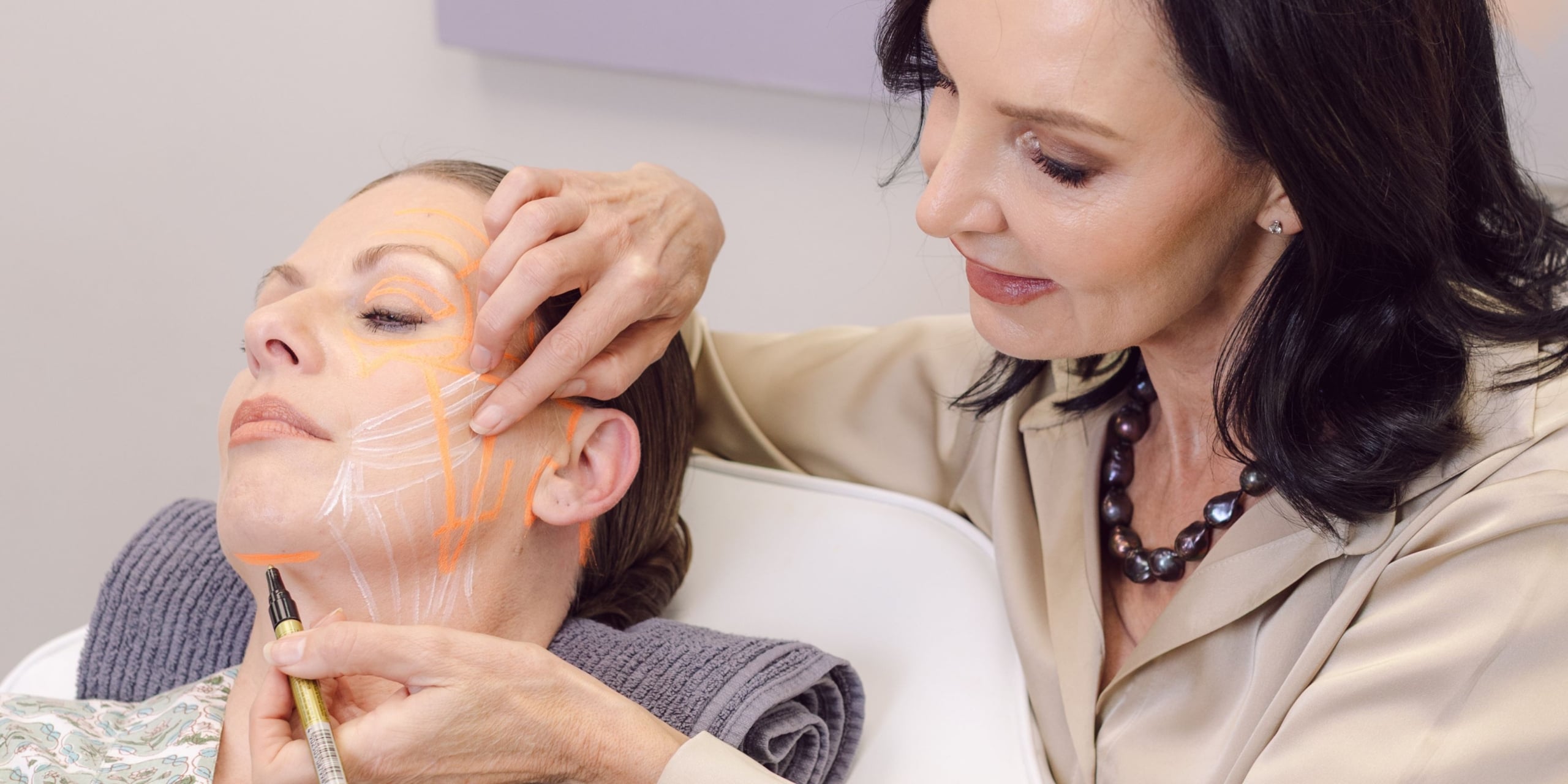
Why the eye area needs a more thoughtful approach
If there is one area that often troubles women first, it is the eyes.
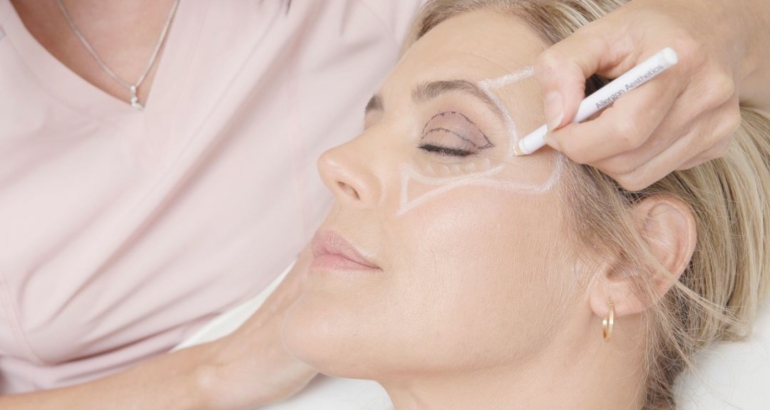
You may notice that your eyes look more tired, even when you feel well. The upper lids may feel heavier. The lower lids may look puffy in some places and hollow in others. Makeup may stop sitting beautifully. The skin may feel thinner, crepier, and less forgiving. And because the eye area is so delicate, it is also one of the places where poor treatment choices can be most obvious.
That is why I believe the eye area should never be treated as just a piece of excess skin.
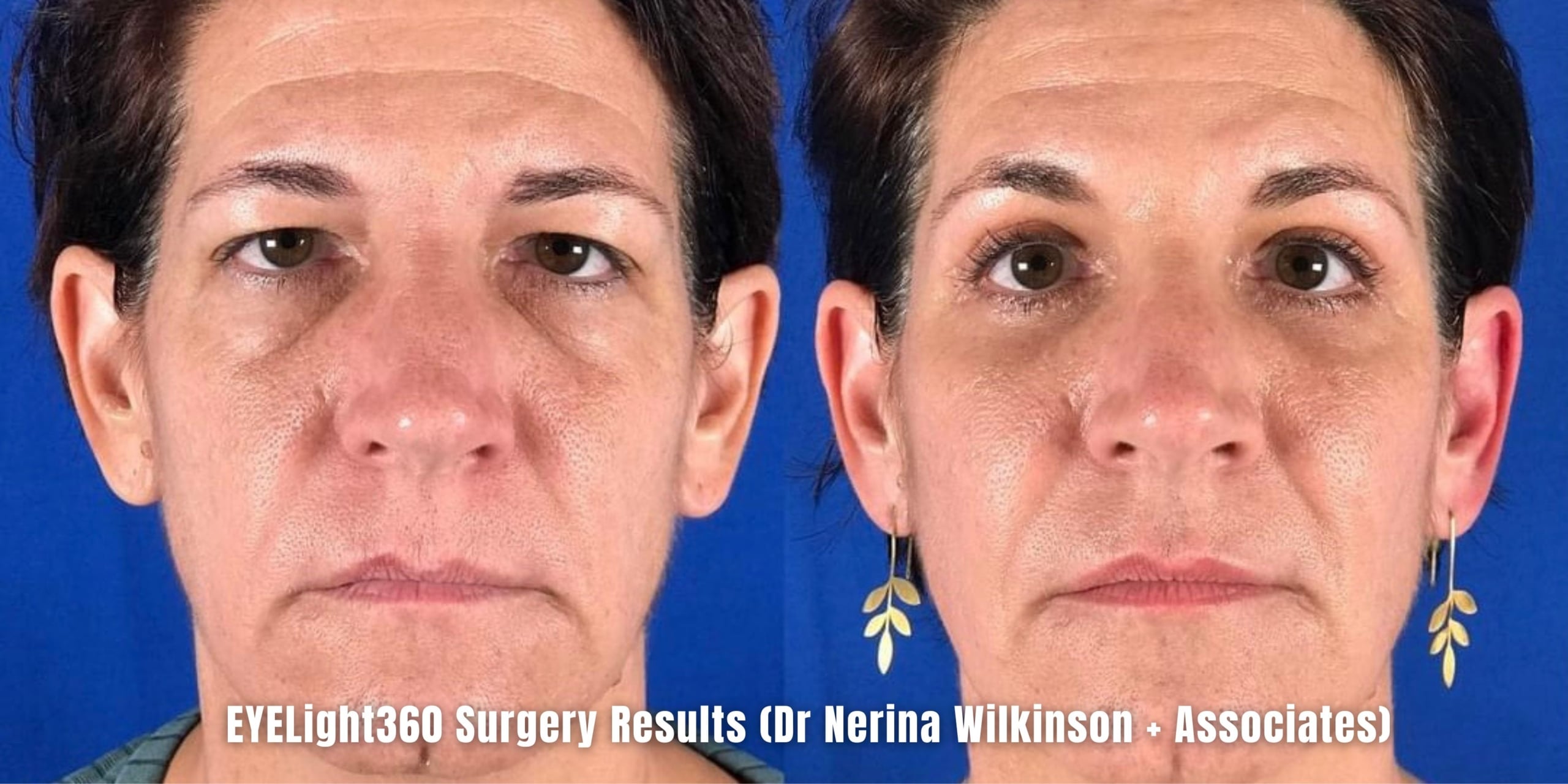
Our EYELight360® approach looks at your eyes as a complete unit — the brow, upper eyelid, lower eyelid, surrounding support structures, hollowing, skin quality, and the overall balance of the periorbital area. In some women, this may mean upper blepharoplasty. In others, it may involve regenerative support with microfat or nanofat, skin refinement, and carefully selected technologies.
The goal is always the same: to help you look fresher, lighter, and more open around the eyes, while still looking completely like yourself.
When the eye area is treated beautifully, people do not think, “She has had her eyelids done.” They simply think you look rested.
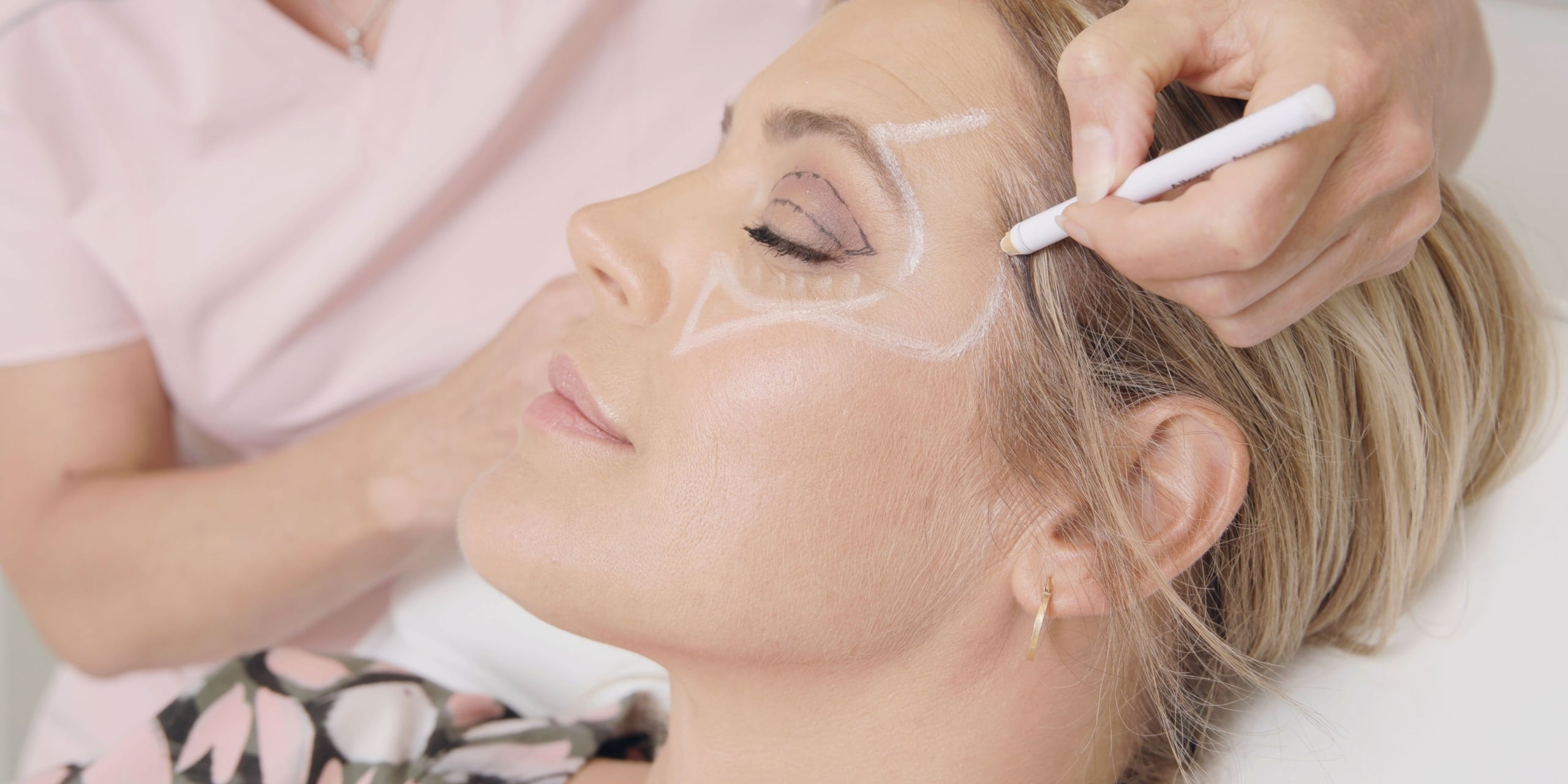
Why combination treatment often gives the most natural result
One of the most important things I want you to understand is that facial ageing does not happen in one layer — and so rejuvenation cannot be one-dimensional either.
If your face is lifted but volume is not restored, the result may look too tight. If volume is added but the structures are not repositioned, the face may start to feel heavy. If the skin is improved but the deeper descent remains, you may still look more tired than you feel.
This is why the future of facial rejuvenation is not surgical *versus* non-surgical. It is integrated.
Structural lift. Volume restoration. Skin refinement. Collagen support. Long-term maintenance.
Not every woman needs every treatment. But when the right treatments are combined in the right way, the result is usually far more elegant and natural than repeatedly treating one layer alone.
At Dr Nerina Wilkinson + Associates, this integrated philosophy is central to how I work. Because we combine surgery, aesthetic medicine, and advanced skin health within one practice, I am able to look at your face more completely — preparing the skin before surgery, supporting healing afterwards, maintaining results long term, and helping you avoid overtreatment.
You do not need more. You need what is right.
What you may really be afraid of
When you tell me you are afraid of surgery, I understand that what you may really mean is this: You are afraid of losing your identity. You do not want to look stretched. Or surprised. Or sculpted into someone else’s version of youth. You do not want to stop recognising yourself in the mirror. That fear is valid. And it deserves respect.
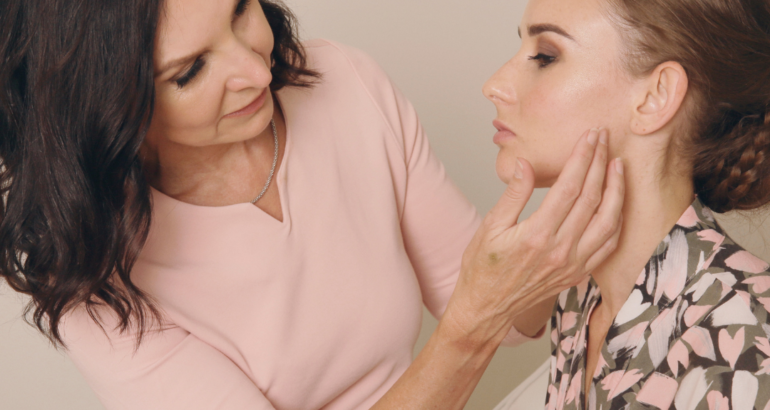
My role is never to persuade you into surgery. My role is to assess honestly, guide thoughtfully, and create a plan that honours your anatomy, your preferences, and your natural beauty.
Modern facial surgery should preserve identity, not erase it. It should restore support, use conservative tension, improve skin quality, and leave you looking fresher rather than “done”.
The best results are often the quietest. They are the results that invite compliments, not questions.
When it may be time to consider surgery
There may come a point when non-surgical treatments begin to deliver less and less meaningful lift. You may notice persistent jowling, deepening nasolabial folds that no longer respond enough to filler, neck laxity that resists energy-based treatments, midface descent, lower face heaviness, and skin laxity that collagen stimulation alone can no longer truly correct.
This is often when frustration begins. You may feel as though you are doing more, but seeing less. And that is often the moment when surgery becomes not the dramatic option, but the more logical one. Not because everything else has failed. But because the problem itself has changed.
Sometimes the most natural next step is not more filler, more energy, or more camouflage. Sometimes it is a carefully performed SMAS facelift, a refined mini facelift such as the Bella Lift, or a regenerative surgical approach such as the StemCell4DLift™ — a treatment philosophy that combines structural lifting with regenerative fat transfer to restore your face more truthfully, more naturally, and more durably than repeated temporary correction ever could.
You do not have to want plastic surgery
It is entirely reasonable for you to say, “I don’t want plastic surgery.” Many women are not ready. Some never need it. And no good surgeon should ever rush that decision.
But it is also reasonable to discover that surgery, when performed with anatomical respect and regenerative philosophy, may offer you the most elegant, natural, and long-term solution for structural ageing. Not because you want to look younger in an obvious way. But because you want your outer face to feel more aligned with the woman you still are inside.
Less tired.
Less heavy.
Less shadowed by time.
More supported.
More luminous.
More like yourself.
That is the quiet power of regenerative facial rejuvenation.
It is not about changing your face. It is about returning it — with care, with artistry, and with restraint — to a softer, more rested, more harmonious version of itself. And for the right woman, at the right time, that can be one of the most beautiful decisions of all.
Written by Dr. Nerina Wilkinson
Cosmetic Surgeon | MBChB (Stell) M.MedFC PLAST (SA)