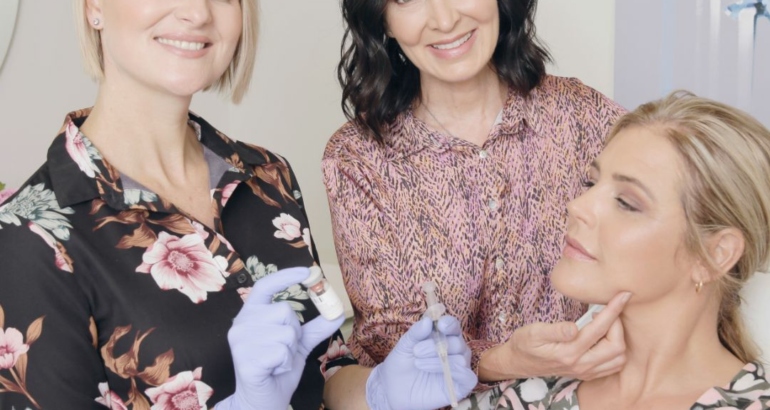
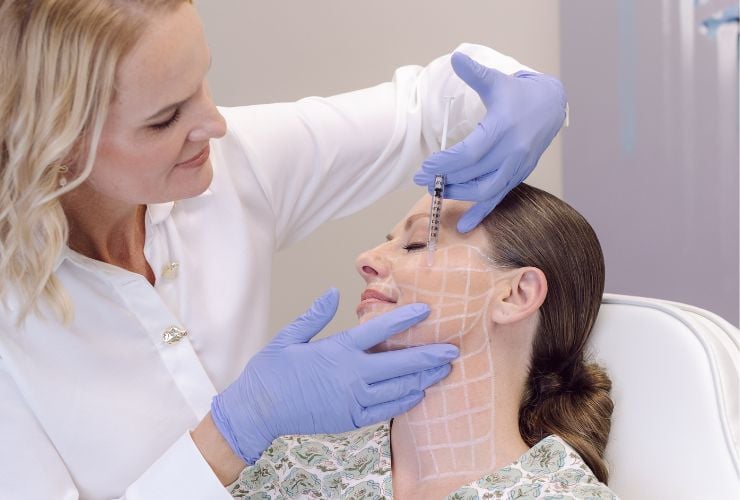
Lifted, not frozen – this is the new era of facial aesthetics.
If you are noticing the early signs of ageing like softening of the jawline, subtle facial sagging, or a general loss of firmness, you are not alone. These changes are a normal part of skin biology and natural ageing, not a personal failure or flaw.
What has changed is how we recognise and treat them.
Modern aesthetic medicine has moved decisively away from the outdated “frozen and filled” look. Today’s most sophisticated non-surgical facial lifting treatments focus on restoring structure, stimulating collagen, and supporting skin biology, not overfilling or masking ageing.
At Dr Nerina Wilkinson + Associates, every treatment is guided by clinical assessment, scientific evidence, personalised treatment plans, and long-term skin health. We do not follow trends; we translate them responsibly.
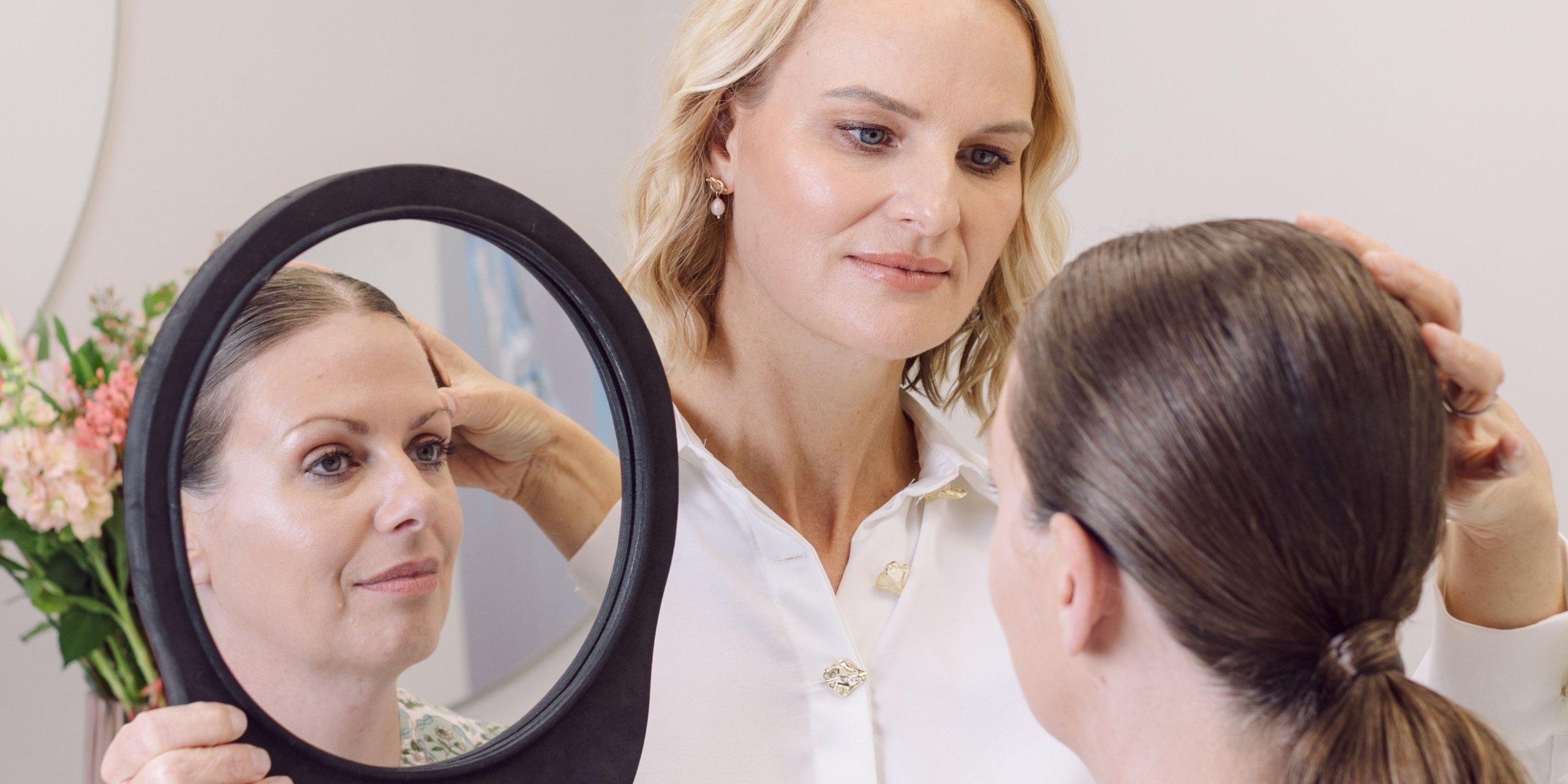
What Causes Skin Laxity and Facial Sagging?
Facial ageing is a multi-layered biological process. Treating it effectively requires understanding what changes beneath the surface. Key contributors include:
Collagen and elastin decline
From our late 20s onward, collagen production progressively decreases. Research consistently shows that reduced collagen density leads to loss of firmness and elasticity over time. Controlled collagen stimulation (not aggressive trauma) is essential for skin tightening.
Bone resorption
Facial bones remodel and subtly shrink with age, reducing structural support for overlying tissues. This contributes to mid-face descent and jawline softening.
Fat redistribution
Facial fat pads don’t simply disappear; they shift. Some areas hollow, while others descend, altering facial proportions.
Hormonal changes
Particularly relevant in peri‑ and post‑menopause, oestrogen decline affects collagen synthesis, hydration, and skin resilience.
Considering this, it is easy to see why “one-size-fits-all” lifting treatments often fail, because the ageing process is highly individual. Ageing affects skin, fat, muscle, and bone differently in each person and must be treated accordingly.
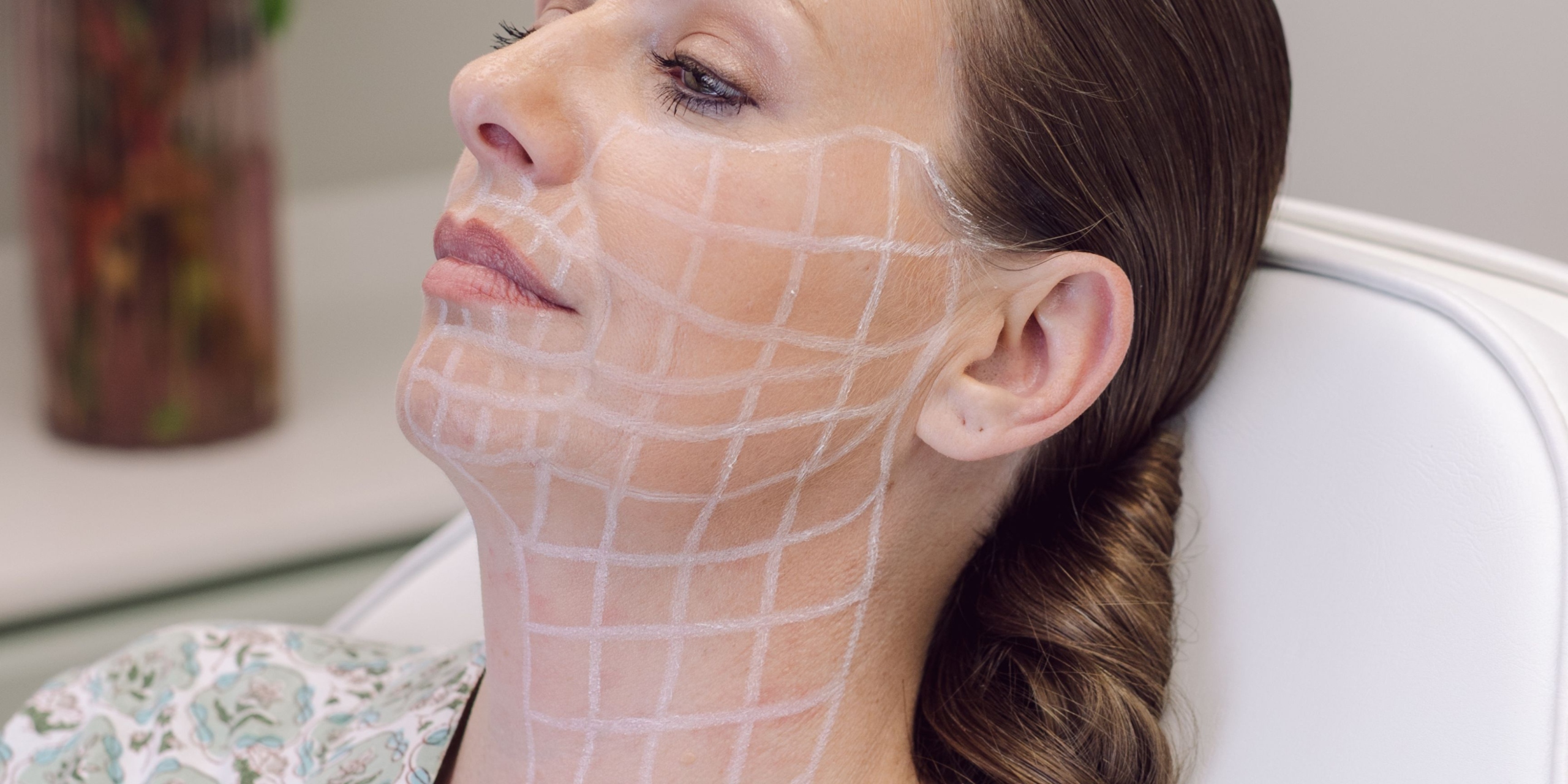
What Is a Non-Surgical Facelift?
The non-surgical facelift is not a single treatment. Scientifically speaking, it is a strategic combination of modalities that address:
- Skin quality and density
- Structural support and volume loss
- Tissue laxity and collagen decline
There is no universal “magic device.” The most natural, lifted outcomes come from bespoke treatment planning, guided by expert facial assessment.
At Dr Nerina Wilkinson + Associates, every plan is personalised and is based on anatomy, skin biology, your unique ageing pattern, and long‑term goals.
Top 5 Non-Surgical Treatments That Lift and Tighten the Face
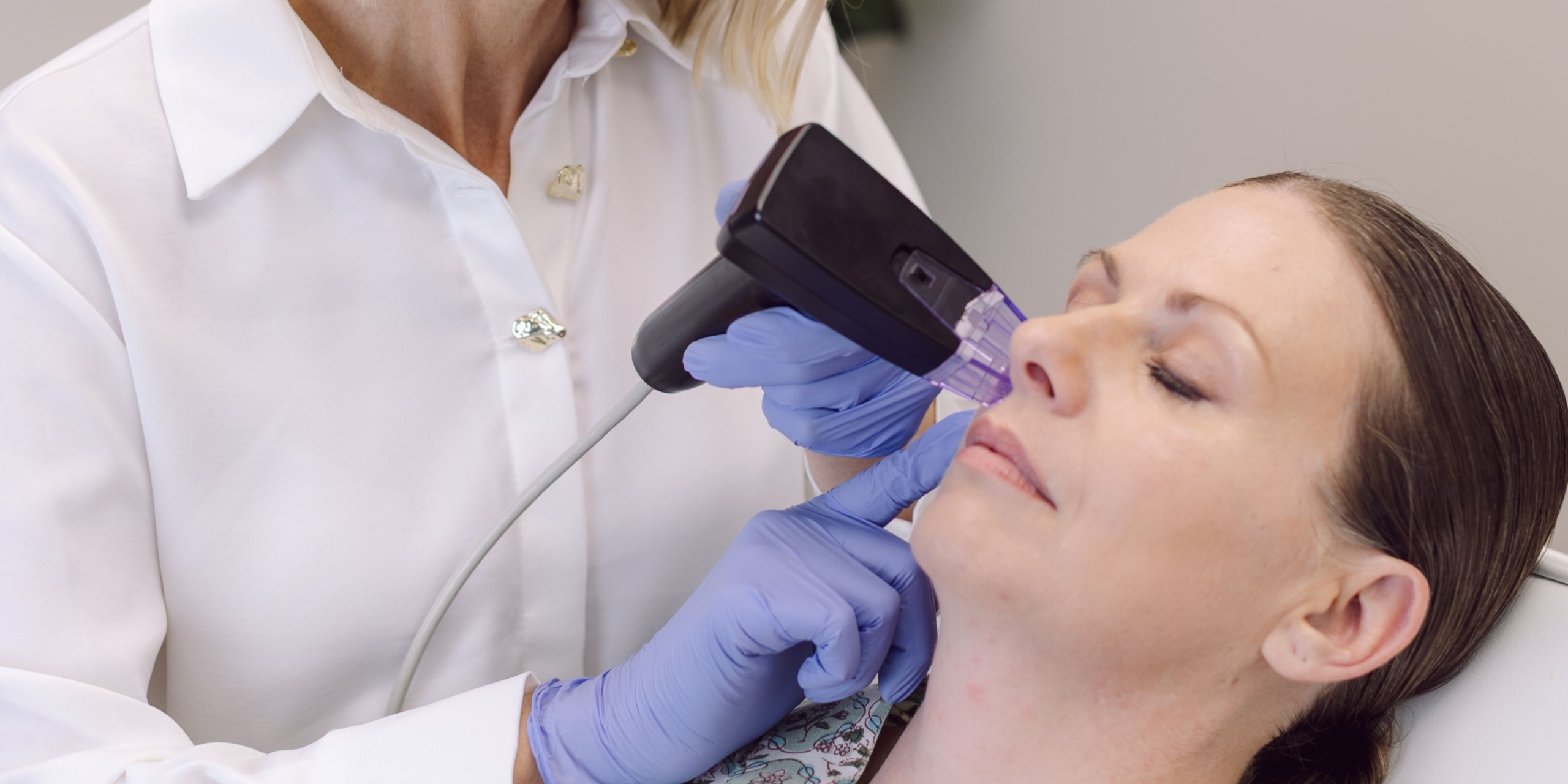
Morpheus8 RF Microneedling: Deep Collagen Stimulation
What it is: Morpheus8 combines microneedling with radiofrequency (RF) energy to deliver controlled heat into deeper dermal and subdermal layers.
How it works: Microneedling creates precise micro‑injuries, while RF energy induces thermal collagen contraction and stimulates new collagen formation (neocollagenesis). Clinical reviews show improved skin firmness and dermal density when RF is added to microneedling protocols.
Best for:
- Mild to moderate facial laxity
- Jawline and lower face sculpting and tightening
- Skin texture improvement
Results timeline: Gradual improvement over 6 -12 weeks, with collagen remodelling continuing for several months.
Why we use it: We value Morpheus8 for its versatility, depth control, safety profile, and evidence‑based collagen stimulation when performed correctly.
N‑LIFT® Facial Sculpting
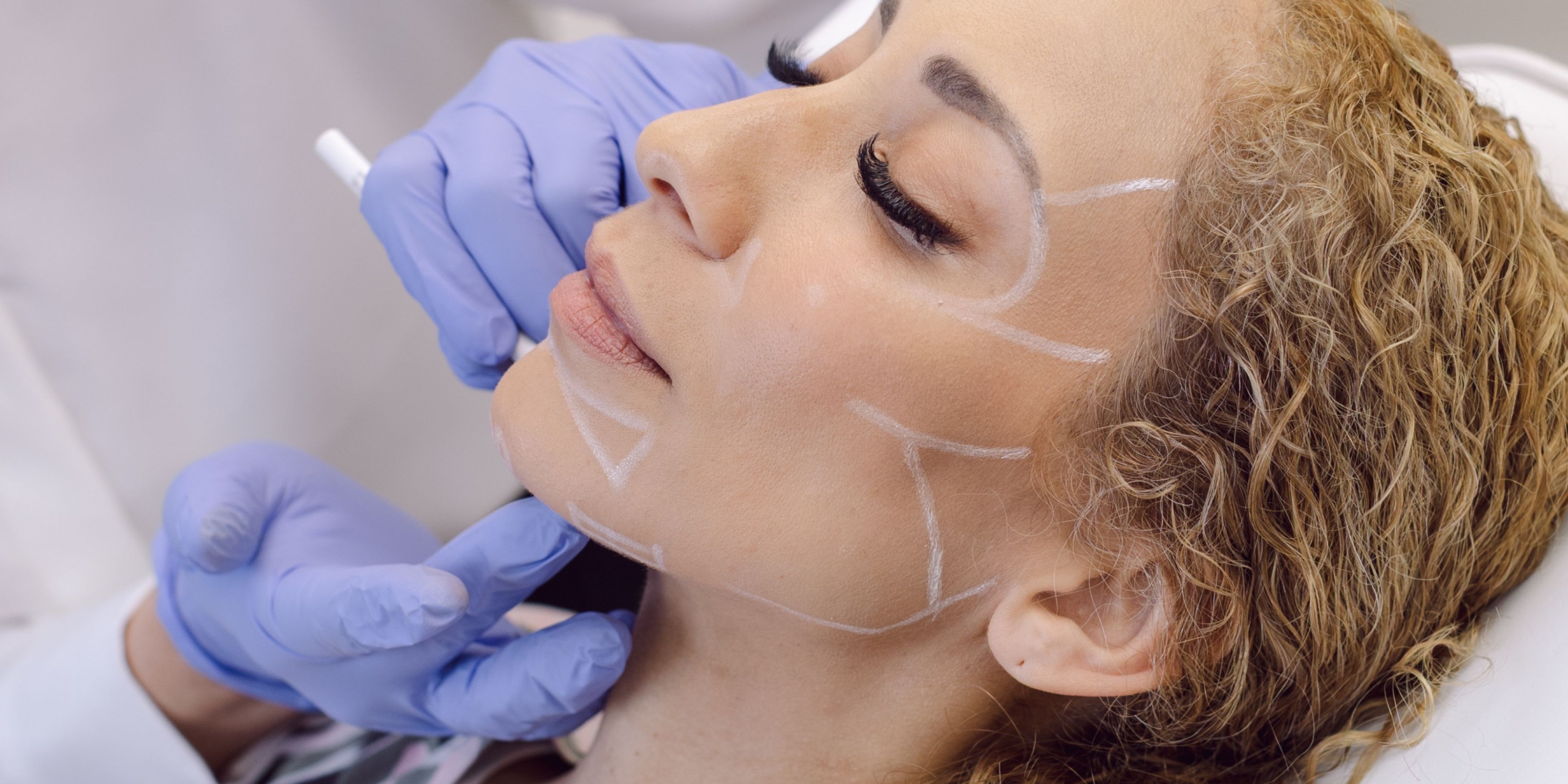
What it is: The N‑LIFT® (also known as the Natural-Lift) is a bespoke facial lifting protocol developed and refined at DRNW+A, integrating structural support techniques with regenerative principles.
How it works: Rather than volumising indiscriminately, the N‑LIFT® focuses on redistributing foundational support, optimising vectors of lift, and restoring facial harmony.
Best for:
- Patients wanting natural, sculpted lifting
- Early to moderate sagging
- Avoiding an “overdone” appearance
- Quick results with minimal downtime
Why it is different: This is not a packaged treatment, but rather clinician‑led facial architecture planning.
Dermal Fillers: Strategic Volume Restoration
Dermal fillers are frequently misunderstood, overused, vilified and often misused.
What they are not: Dermal fillers are not primarily used for filling lines. The aim is not about making faces “bigger.”
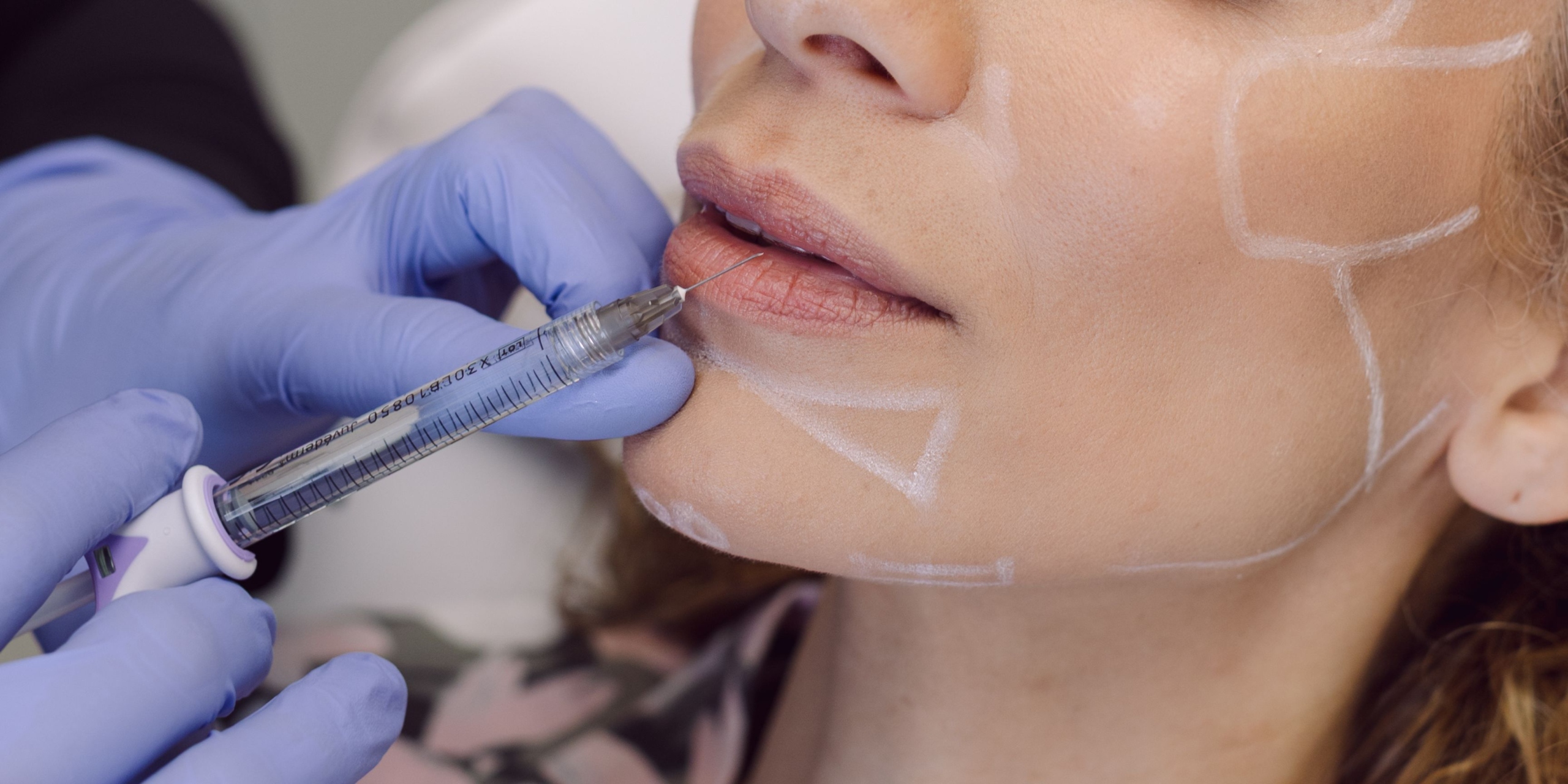
What they are: When placed strategically, hyaluronic‑acid‑based dermal fillers restore lost structural support and volume, indirectly lifting overlying tissues. Medical literature clearly identifies volume loss and ligament weakening as key ageing contributors.
Best for:
- Mid‑face support
- Cheek and jawline definition
- Structural rejuvenation
Risks & limitations: Overfilling, poor placement, and lack of anatomical expertise can worsen sagging. This is why precision and restraint matter.
Injectable Biostimulators (Collagen Stimulator Injections: PLLA, CaHA, PCL)
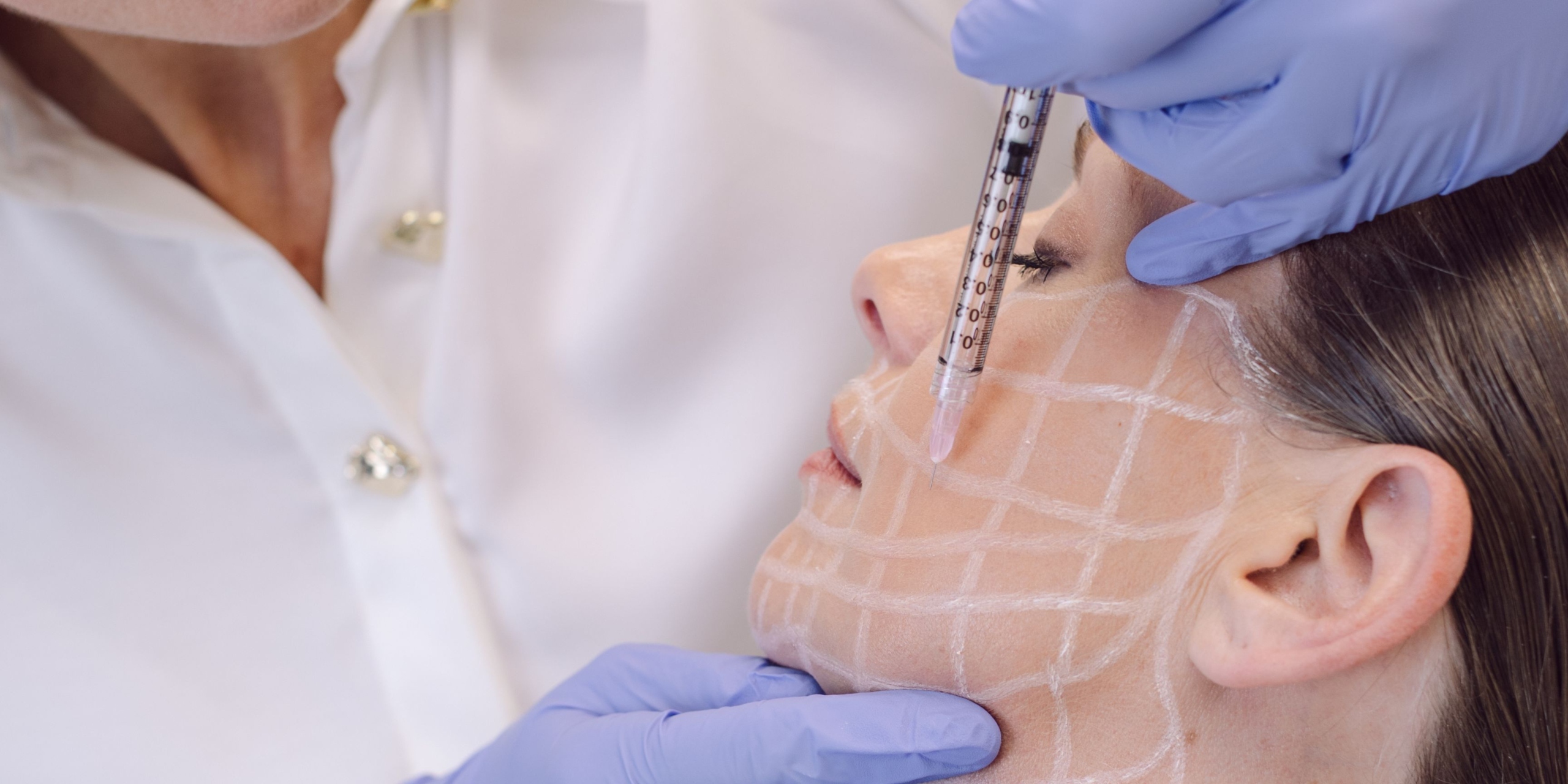
What it is: Injectable biostimulators are a category of regenerative injectables designed to improve facial firmness and support by encouraging your skin to rebuild its own collagen over time. The most established classes used in facial aesthetics include:
- Poly‑L‑lactic acid (PLLA) (commonly associated with collagen‑stimulation protocols)
- Calcium hydroxylapatite (CaHA)
- Dual biostimulatory injectables that contain CaHA, succinic acid or other active ingredients and hyaluronic acid
How Biostimulators work: Biostimulators don’t “inflate” the face; instead, they act as a controlled signal to your fibroblasts (collagen‑producing cells) to lay down new supportive collagen within the dermis and subdermal tissues.
Who it’s best for: Biostimulatory injectables are particularly valuable when the goal is natural-looking lift and tightening driven by improved dermal structure, especially in patients who need skin tightening and firming.
They’re commonly selected for:
- Early to moderate laxity, where collagen loss is a key driver of softness
- Diffuse volume changes (e.g., temples, midface support zones) where gradual rebuilding is preferred
- Patients who prioritise long-term skin quality and resilience
- What results to expect (realistic timelines)
This category is intentionally slow-build: collagen formation takes time.
Ideal for:
- Natural progression (results appear gradually as collagen remodels)
- Improved skin quality and support
- Longer durability compared to other injectables
Not ideal for:
- Patients who want immediate results
- Where the primary issue is the loss of foundational support
Regenerative Treatments: PRP, PRF & Skin Boosters
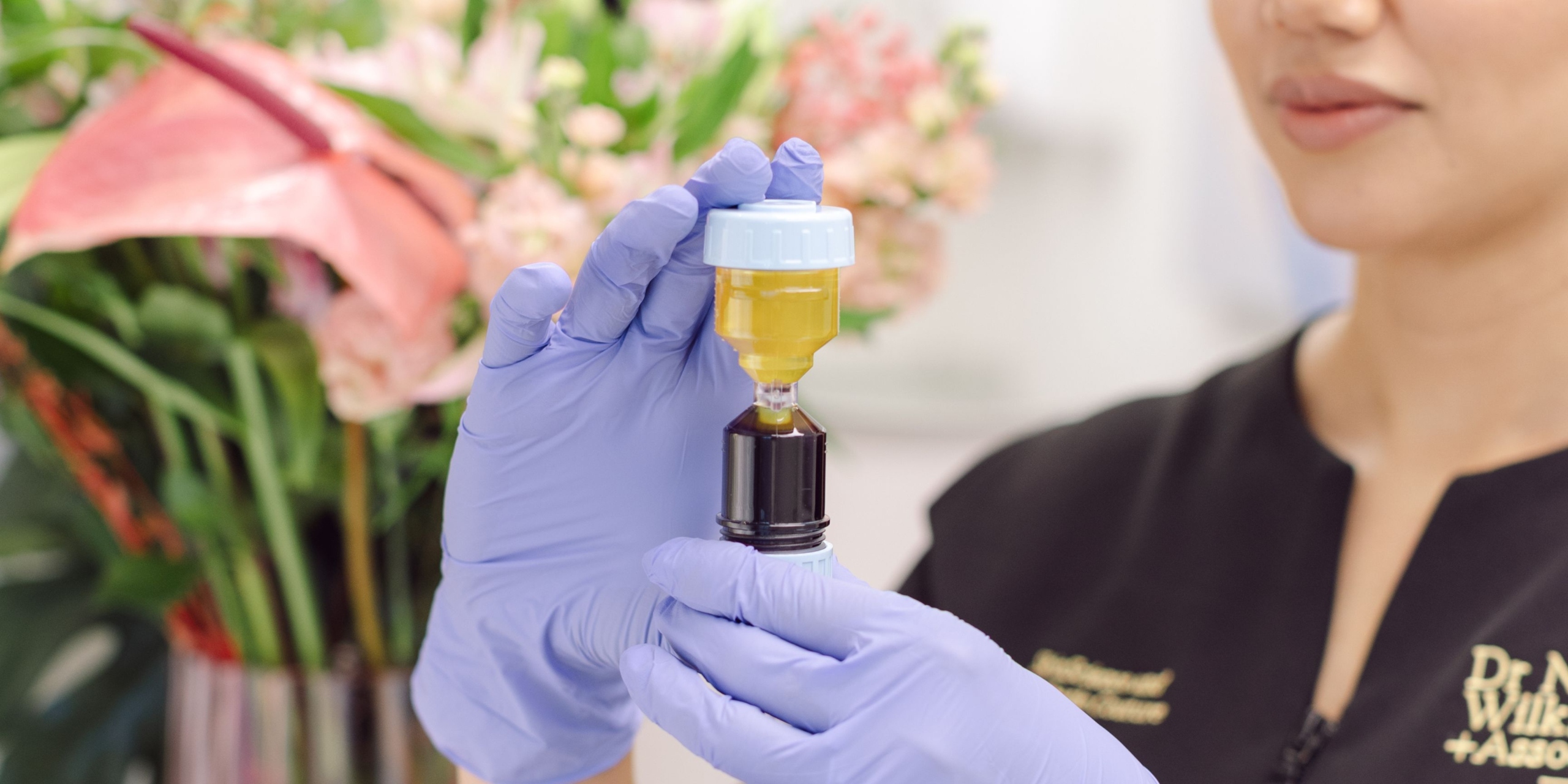
How they work: Platelet‑rich plasma (PRP) and platelet‑rich fibrin (PRF) use your body’s own growth factors to support tissue repair and improve skin quality. Systematic reviews show improvement in skin thickness and elasticity, though results are subtle and best used as adjuncts to a multi-layered, multi-modal treatment approach.
Best for:
- Skin health and quality enhancement
- Supporting collagen-stimulating treatments like lasers and micro-needling
- Holistic, regenerative protocols
Clinical reality: These treatments improve skin health and do not provide a dramatic lift – they are not standalone “facelifts”.
Why Combination Treatments Deliver the Best Results
Facial ageing does not occur in one layer, and effective rejuvenation never relies on one tool. At Dr Nerina Wilkinson + Associates, we treat:
- Skin quality
- Structural support
- Tissue laxity
Combination protocols consistently produce more natural, longer‑lasting outcomes than isolated treatments.
Frequently Asked Questions
- How long do non-surgical lift results last?
Results vary by treatment. Collagen‑stimulating treatments offer gradual, longer‑term improvement, while injectables require maintenance every 12 to 18 months. - Will I look overfilled?
Not when treatments are structurally guided and conservatively placed, which is central to the DRNW+A philosophy. The aim is structural restoration and support, rather than augmentation. - Is downtime required?
Most treatments involve minimal downtime, although swelling or redness may occur briefly. - Are home skin‑tightening devices effective?
They may improve surface texture but cannot replicate medical‑grade collagen stimulation. - When should I see a professional?
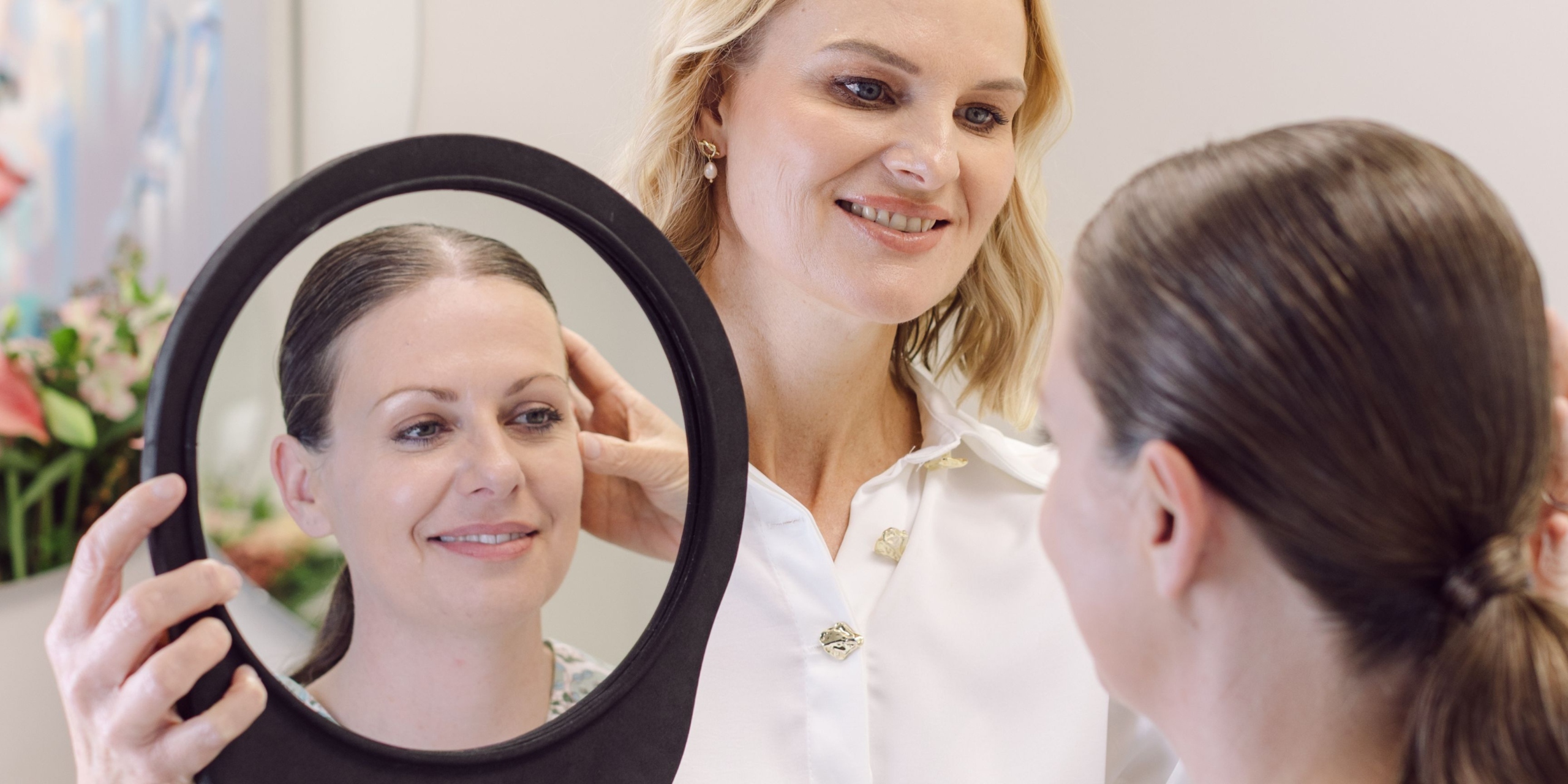
If you notice progressive laxity, facial imbalance, or are unsure which treatment is appropriate, an expert assessment is essential. Multi-modal full-depth treatment plans can only be designed and recommended by an experienced aesthetic doctor.
Final Thoughts: Lifted, Not Overdone
The most sophisticated facial rejuvenation does not announce itself.
It simply looks refreshed, structurally supported, and naturally you.
At Dr Nerina Wilkinson + Associates, safety, science, and long‑term skin health always come first.
Remember… Every face ages differently. At Dr Nerina Wilkinson + Associates, your treatment plan is designed with clinical precision, integrating advanced devices, injectables, and regenerative techniques to restore structure, lift, and confidence.
Email us to book your personalised consultation today.
Written by Aesthetic Doctor, Dr. Tracey Garner