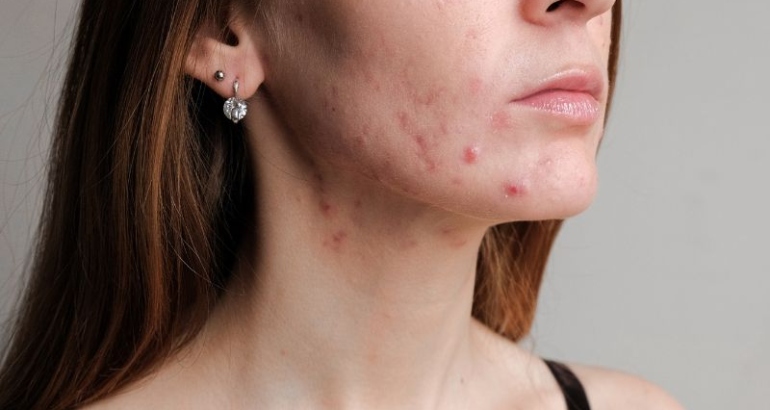
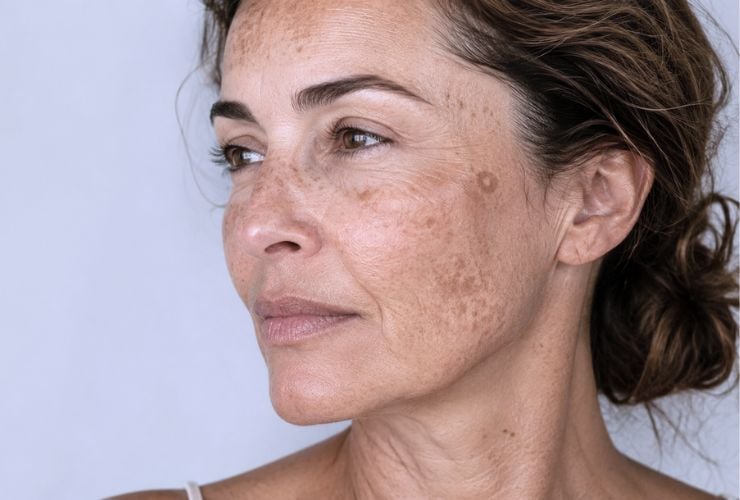
Sun exposure is one of the most significant factors influencing the long-term health and appearance of our skin. While sunlight plays an important role in vitamin D production and overall wellbeing, cumulative ultraviolet (UV) exposure can accelerate skin ageing and contribute to pigmentation, textural changes and loss of skin quality.
Over time, these effects become increasingly visible, often appearing as sunspots, uneven skin tone, fine lines and reduced skin elasticity. Fortunately, advances in aesthetic medicine mean that many of the visible signs of photoageing can now be effectively improved through a combination of medical-grade skincare, collagen-stimulating treatments and advanced laser technologies.
What Sun Damage Really Does to Your Skin
Sun damage is one of the most common skin concerns treated in aesthetic medicine. Unlike sunburn, which becomes visible shortly after excessive UV exposure, much of the damage caused by ultraviolet radiation accumulates gradually over many years.
UV rays penetrate the skin and trigger changes at multiple levels, affecting collagen and elastin fibres, pigment-producing cells and the tiny blood vessels that support healthy skin function. This process, known as photoageing, is responsible for many of the visible changes commonly associated with ageing skin.
Patients often notice pigmentation, sunspots and uneven skin tone developing over time. As UV exposure accumulates, fine lines, rough texture, broken capillaries and a loss of elasticity may also become increasingly apparent. Skin can appear dull, less radiant and less resilient than it once was.
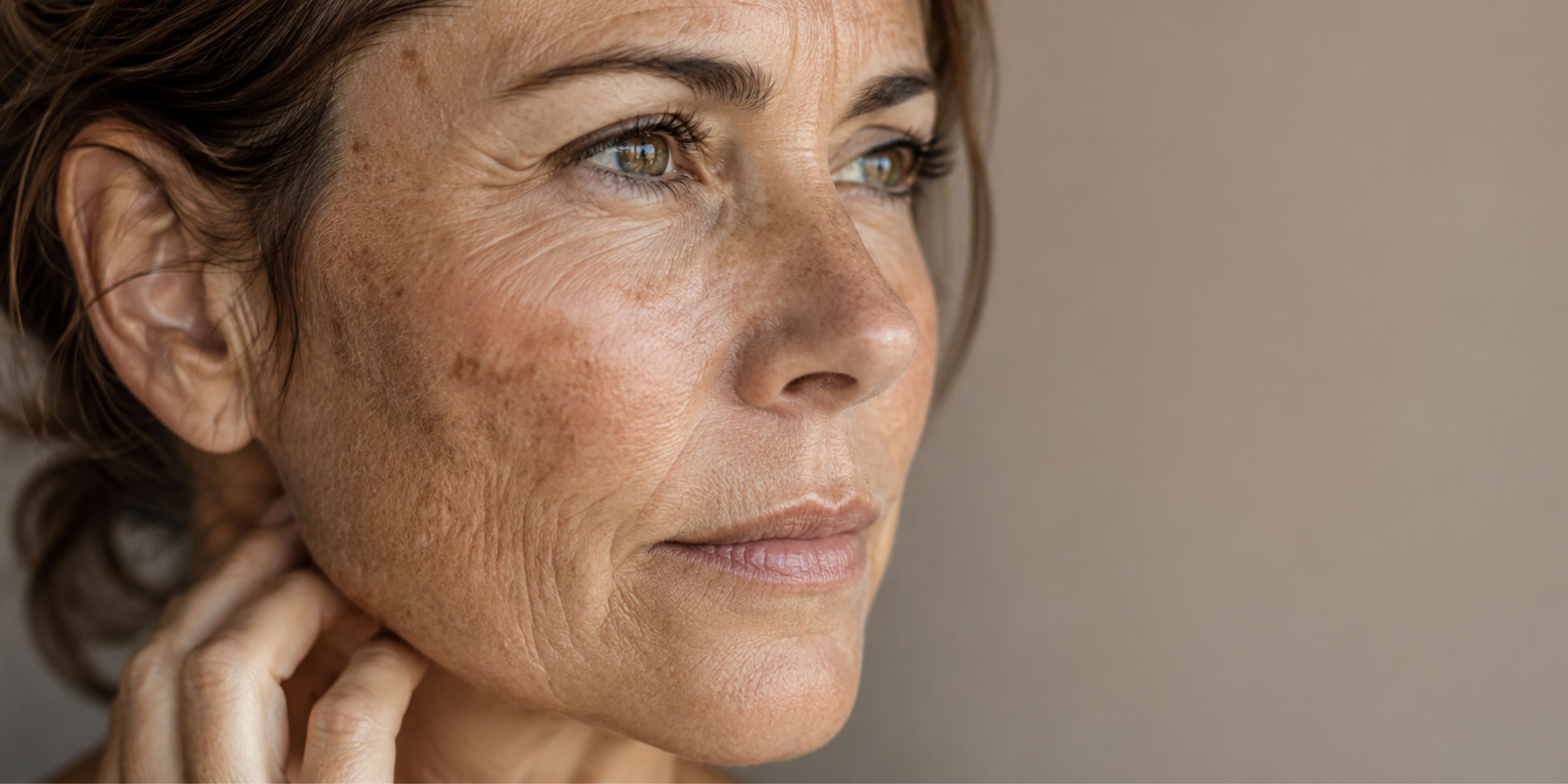
The most appropriate sun damage treatment depends on the type and severity of damage present. Some patients are primarily concerned by pigmentation, while others are seeking solutions for texture changes, wrinkles or reduced skin quality.
Fortunately, there are numerous treatment options available, ranging from topical skincare and chemical peels to advanced laser technologies and regenerative skin rejuvenation treatments. The success however of in-clinic treatments will be determined by the appropriated home care preparations.
How Do You Know If Your Skin Is Sun Damaged?
Sun damage often develops gradually, making it difficult to recognise in early on.
Early signs may include mild pigmentation, increased freckling, subtle unevenness in skin tone, dryness and a loss of natural radiance. Many patients notice that their skin appears less luminous or smooth than it once did.
As photoageing progresses, more advanced signs may emerge. These can include persistent pigmentation, dark sunspots, enlarged pores, fine lines, wrinkles, broken capillaries and skin laxity. Texture irregularities often become more noticeable, and the skin may appear rougher.
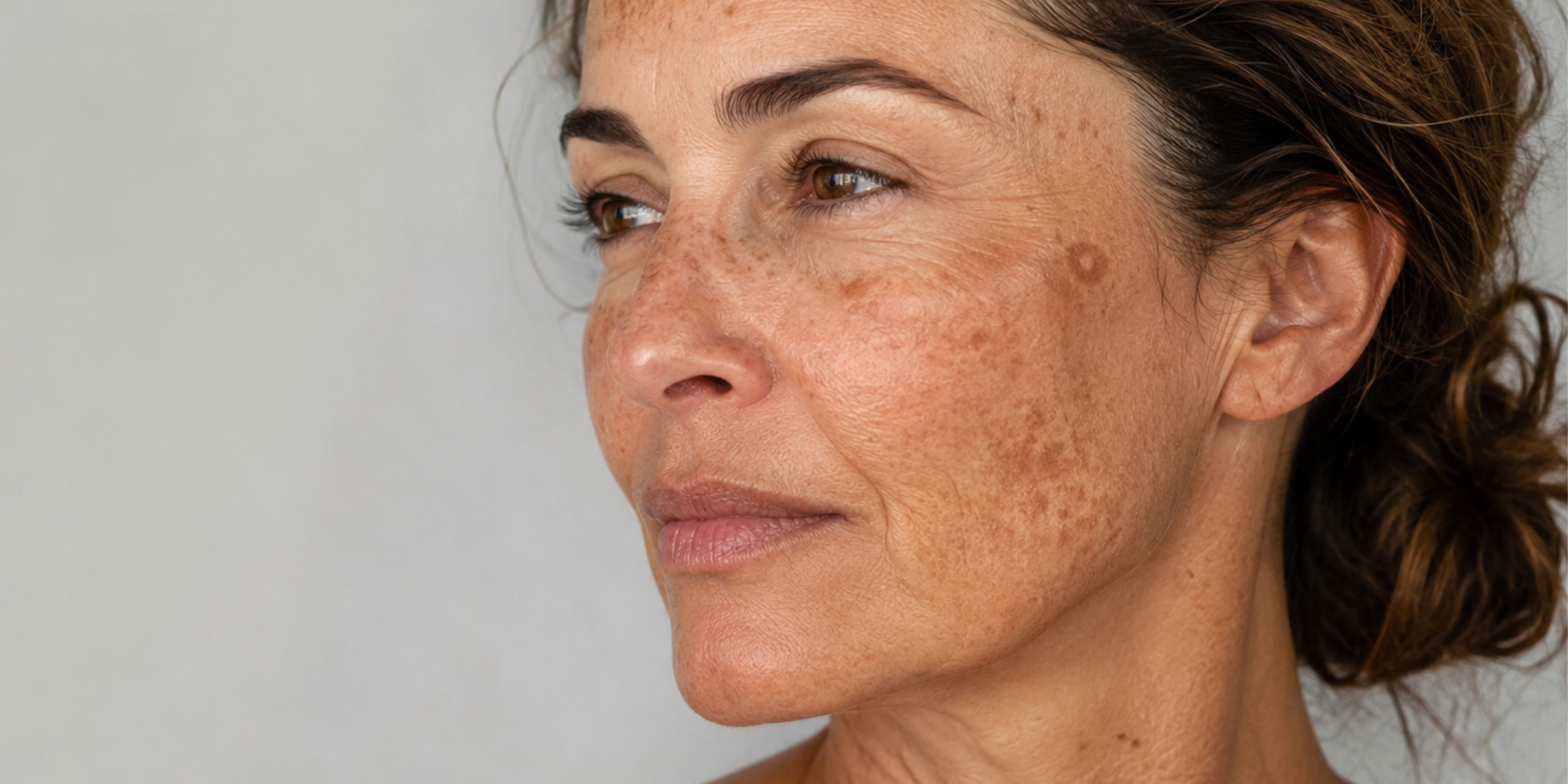
It is important to distinguish photoageing from natural ageing. While collagen production naturally slows as we age, many of the visible changes commonly associated with ageing are significantly accelerated by cumulative UV exposure.
In Cape Town (for example), where outdoor living forms part of the lifestyle and UV levels can remain surprisingly high even on cooler or overcast days, long-term sun exposure often plays a significant role in premature skin ageing.
Before beginning any treatment for sun-damaged skin patients should undergo a professional skin assessment. Advanced diagnostic technologies such as VISIA skin analysis allow practitioners to assess both visible and underlying UV damage, providing a more comprehensive understanding of the skin and enabling highly personalised treatment planning.
Can Sun-Damaged Skin Be Repaired?
One of the most common questions patients ask is whether sun-damaged skin can be reversed.
While it is not always possible to completely erase every effect of long-term UV exposure, many of the visible signs of photoageing can be significantly improved. Modern sun damage treatment options can reduce pigmentation, improve skin texture, stimulate collagen production and restore a brighter, healthier-looking complexion.
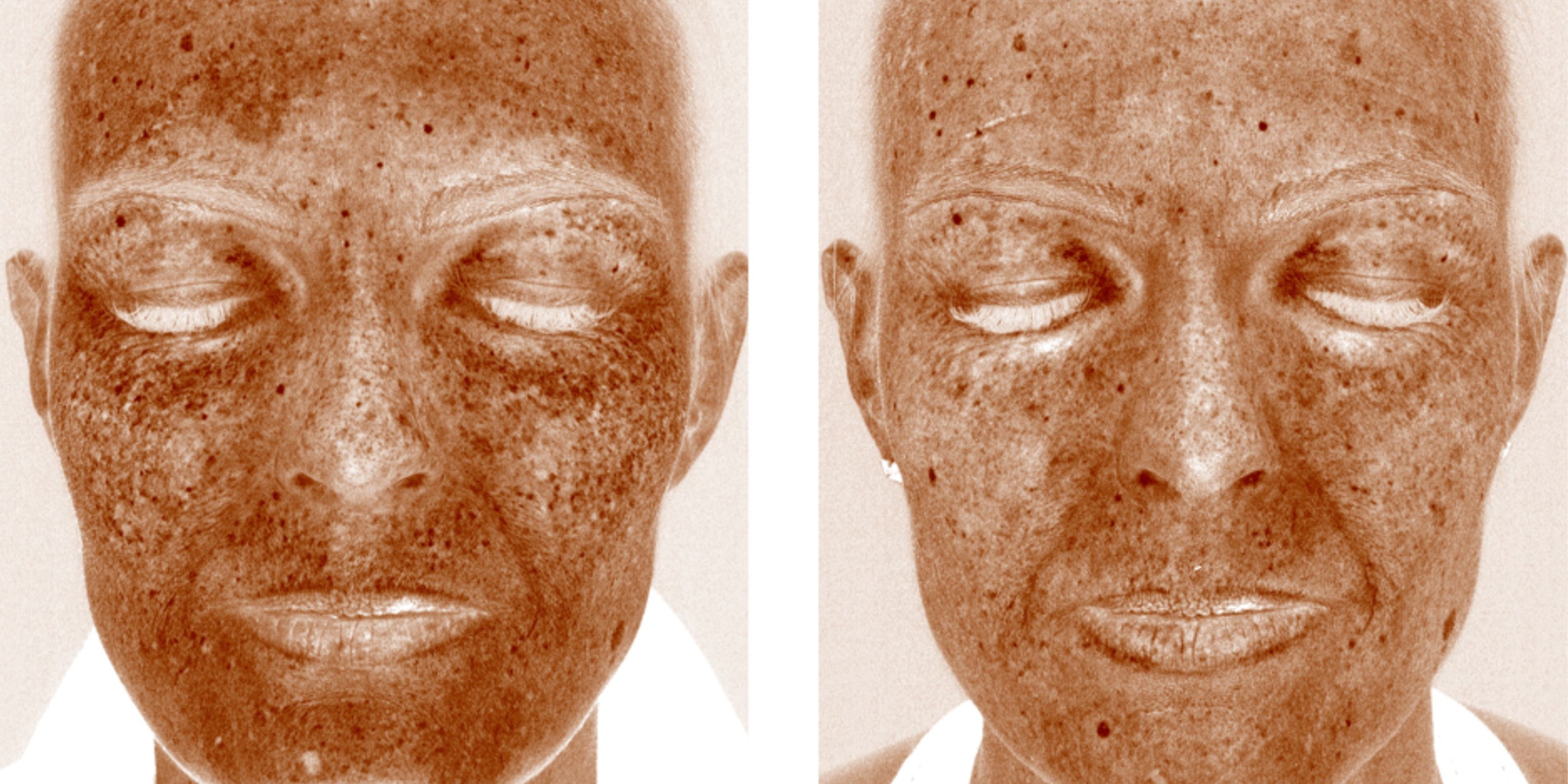
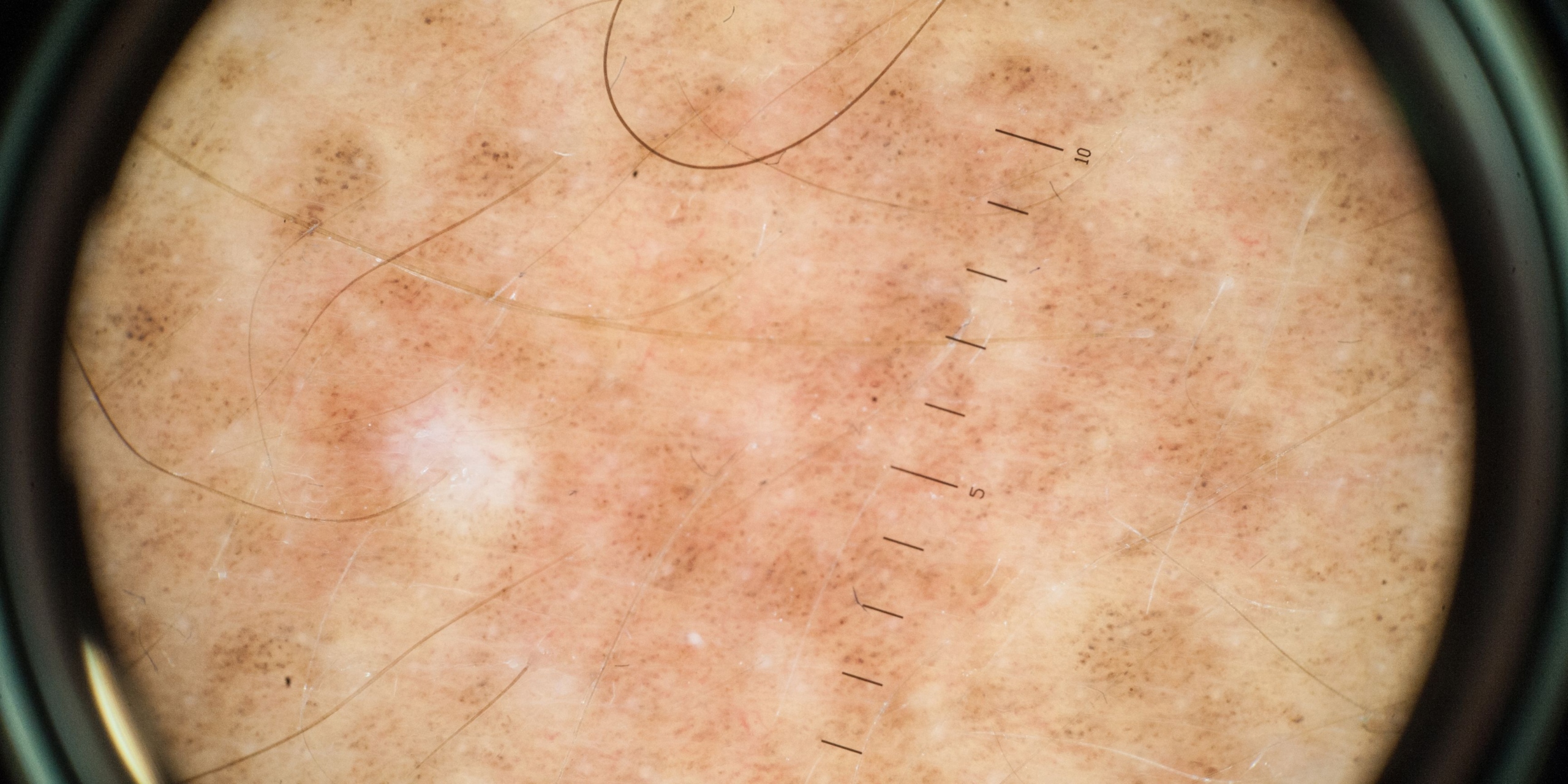
Images taken with the VISIA Skin Analysis Device
Treatments can help to:
- Improve pigmentation and sunspots
- Stimulate collagen production
- Improve skin texture and smoothness
- Restore radiance and luminosity
- Enhance overall skin quality
The most successful outcomes are typically achieved through a combination approach. Rather than relying on a single treatment, practitioners often combine medical-grade skincare with technologies such as IPL (intense pulsed light), PRX chemical peels, microneedling or laser resurfacing to address multiple layers of sun damage simultaneously.
Medical-Grade Skincare for Sun-Damaged Skin
Effective treatment begins at home. Medical-grade skincare forms the foundation of almost every sun damage treatment plan and plays an essential role in both correcting existing damage and preventing future deterioration.
Retinoids and Vitamin A derivatives remain among the most effective ingredients for treating photoaged skin. They help accelerate cellular turnover, stimulate collagen production and improve pigmentation, resulting in smoother texture and a more even complexion over time.
Vitamin C is another cornerstone ingredient. As a powerful antioxidant, it helps neutralise free radicals generated by UV exposure while supporting collagen synthesis and brightening uneven pigmentation.
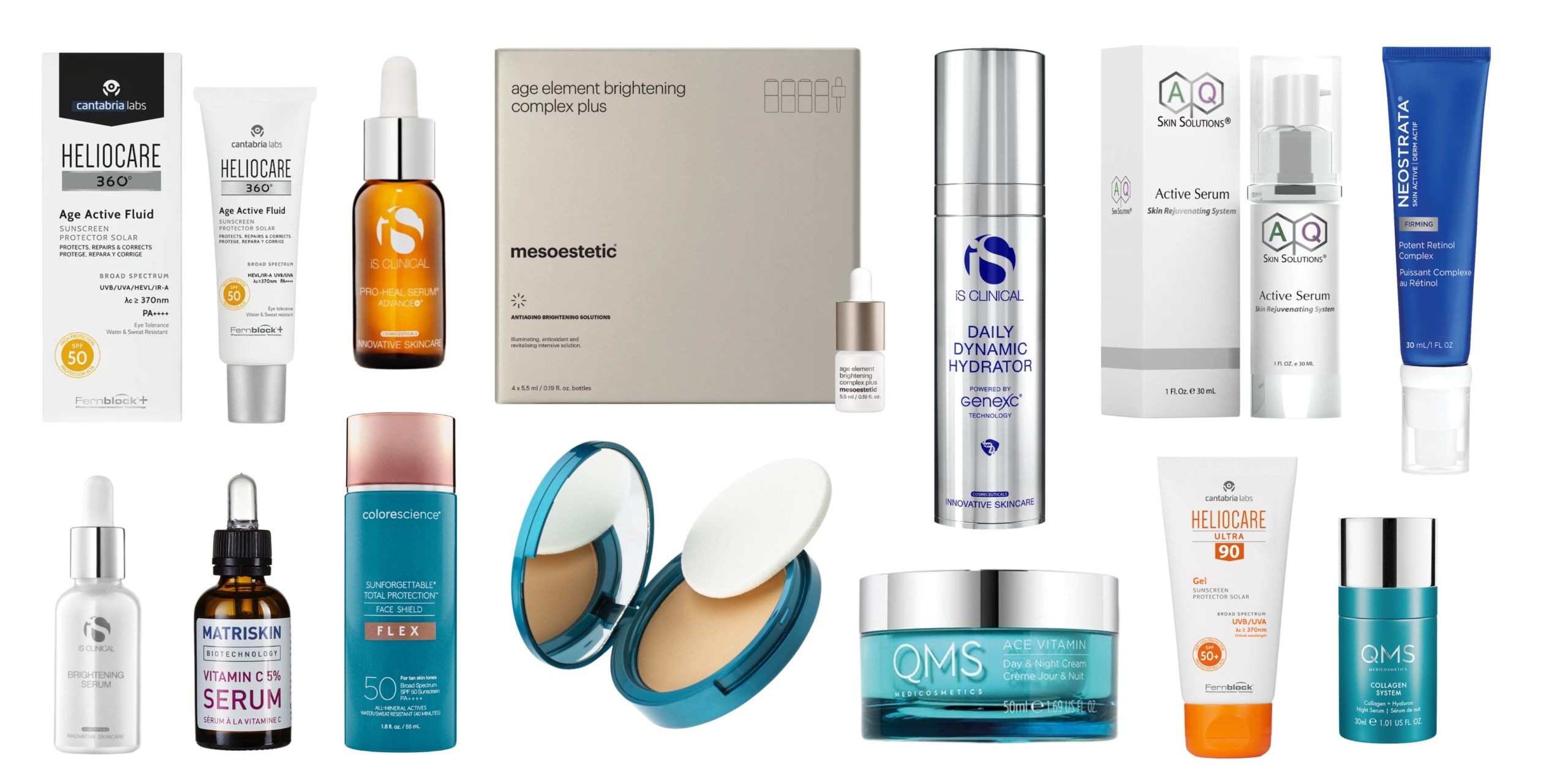
Growth factors and peptides can further support skin repair and regeneration by encouraging cellular communication and strengthening the skin’s structural integrity. These ingredients are often incorporated into comprehensive skin rejuvenation treatment plans to improve overall skin quality.
Most importantly, daily broad-spectrum SPF 50+ remains essential. No professional treatment can deliver long-term results without consistent sun protection. Daily sunscreen use helps prevent ongoing UV damage while preserving the results achieved through treatment.
At Dr Nerina Wilkinson + Associates, personalised skincare recommendations will include carefully selected medical-grade formulations tailored to your individual skin concerns and treatment goals.
Chemical Peels for Sun Damage and Pigmentation
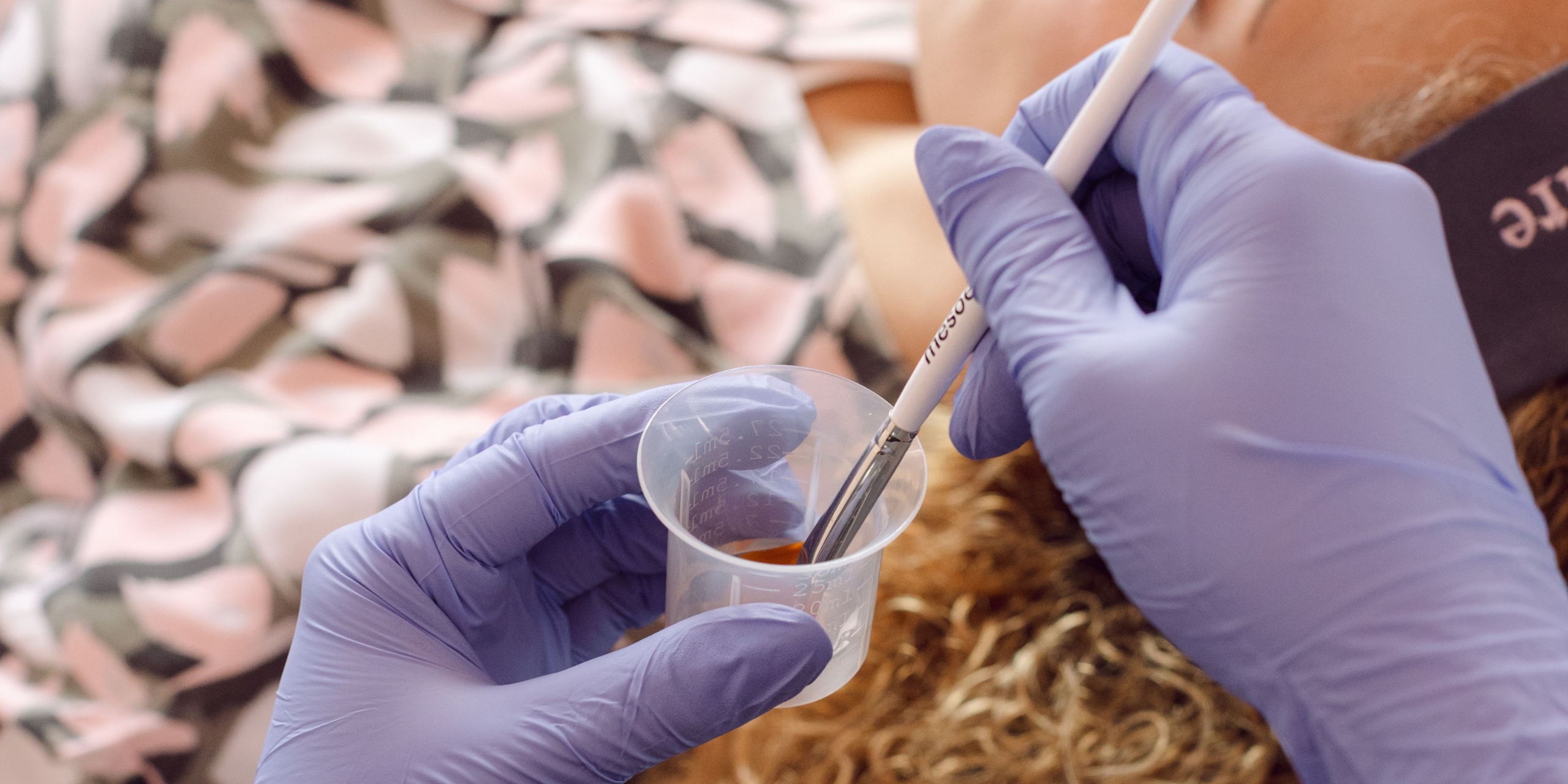
Chemical peels are an effective, non-invasive option for improving pigmentation, uneven skin tone and overall skin quality. By using carefully selected acids to exfoliate damaged surface layers of the skin, they encourage cellular renewal and reveal a brighter, smoother complexion.
Peels range from superficial treatments with minimal downtime to deeper resurfacing procedures that provide more significant correction. The most suitable option depends on your skin type, concerns and treatment goals.
For patients seeking skin rejuvenation with little downtime, treatments such as the PRX Plus Peel may also be recommended. PRX Plus Peels stimulates collagen production and improves skin quality with minimal to moderate peeling, perfomed more frequently then traditional chemical peels.
Recovery is generally mild and may include temporary redness, dryness or flaking, depending on the depth of the treatment.
Laser Treatments for Sun Spots
Laser and light-based therapies are among the most popular options for sun spots treatment and pigmentation correction.
Intense Pulsed Light (IPL) uses broad-spectrum light energy to target excess pigment within the skin. The light is absorbed by pigmented lesions, causing them to temporarily darken before naturally fading as the body clears the damaged cells.
IPL treatments can be highly effective for improving sunspots, freckles, diffuse pigmentation and uneven skin tone. It is often most suitable for patients with fair to medium skin tones who are experiencing visible signs of sun-induced pigmentation.
Most patients require a series of treatments to achieve optimal results. Pigmented lesions typically darken following treatment before flaking away over one to three weeks.
It is important to distinguish pigmentation concerns from vascular concerns. Pigmentation appears as brown or dark lesions, while redness and broken capillaries arise from blood vessels. Accurate diagnosis ensures that the most appropriate treatment settings and technologies are selected.
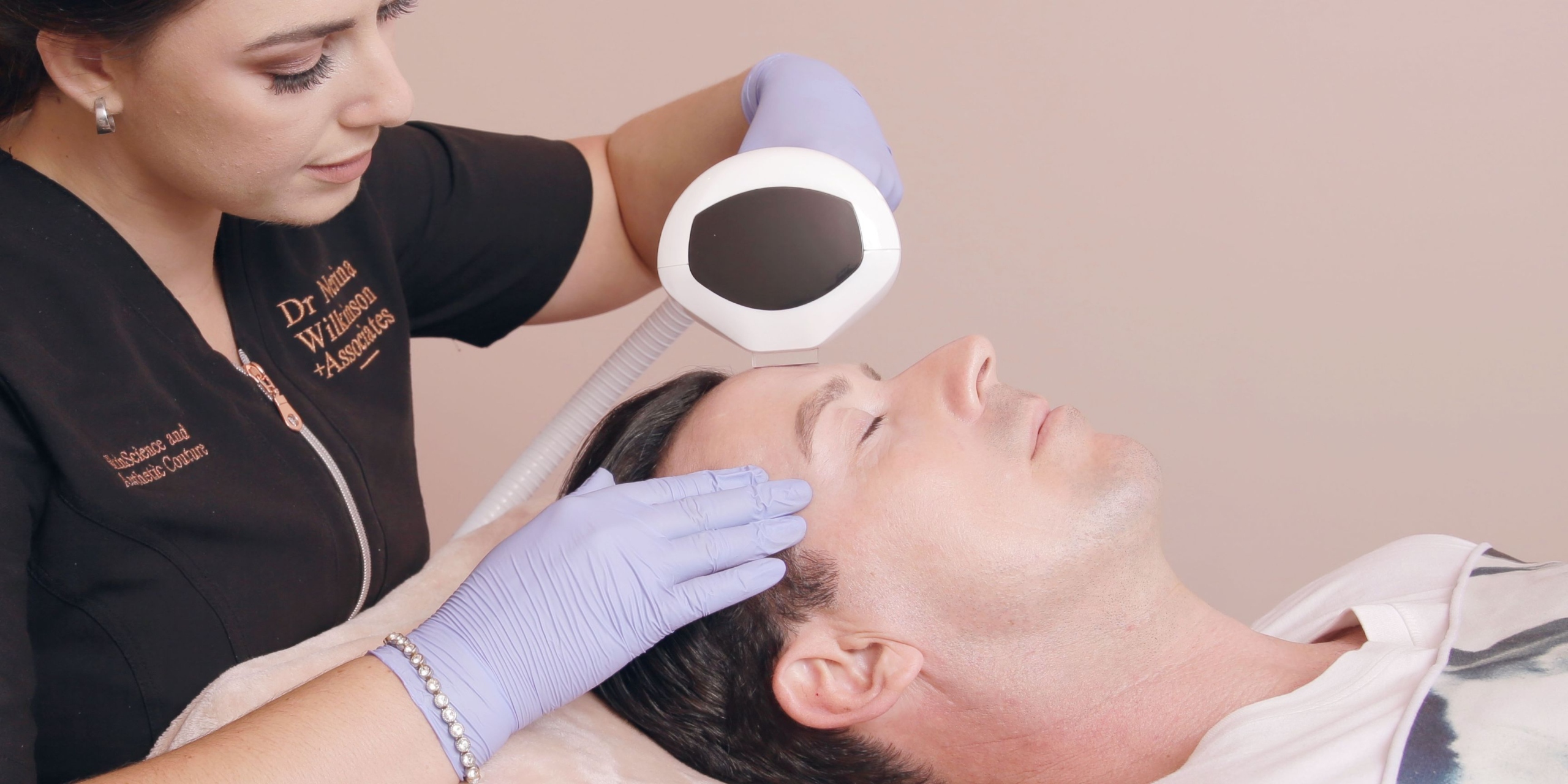
Fractional Laser Resurfacing for Advanced Sun Damage
For moderate to severe photoageing, fractional laser resurfacing can provide more comprehensive improvement.
Fractional lasers (such as CO2 lasers and the Erbium iPIXEL Pro) create controlled microscopic zones of injury within the skin, triggering collagen production and tissue remodelling. As the skin heals, healthier and more youthful tissue gradually replaces damaged skin.
This advanced treatment can improve wrinkles, fine lines, pigmentation, rough texture and overall skin quality. It is often recommended for patients with more extensive sun damage who require deeper rejuvenation.
Recovery varies depending on treatment intensity but may involve redness, swelling, flaking and temporary sensitivity. Improvements continue to develop over several weeks and months as collagen remodelling progresses.
Because laser resurfacing requires careful assessment and treatment planning, it should always be performed by experienced practitioners with a thorough understanding of skin health and laser technology.
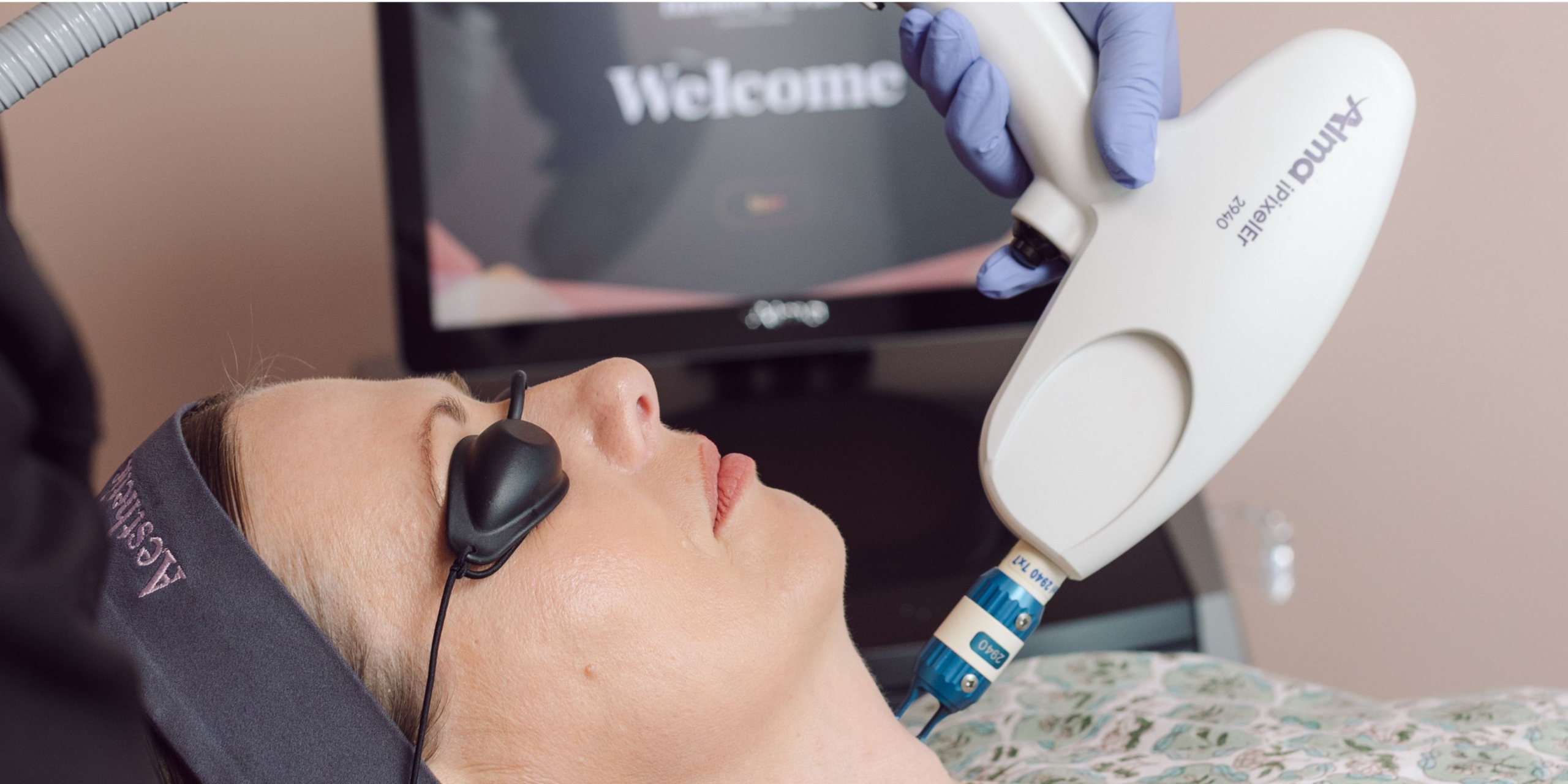
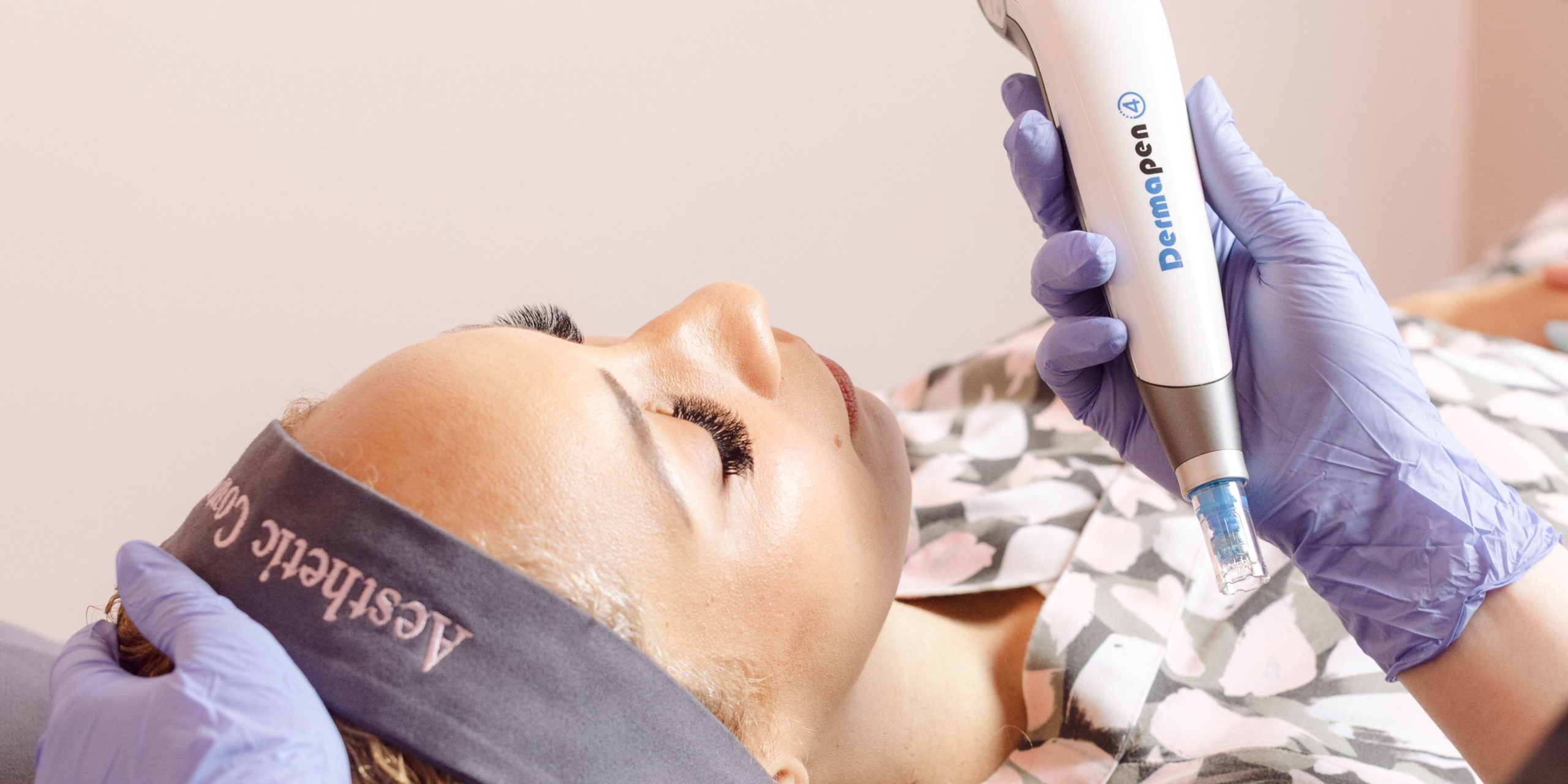
Microneedling for Overall Skin Rejuvenation
Microneedling is a versatile skin rejuvenation treatment that stimulates the body’s natural collagen production with minimal downtime.
The treatment uses fine sterile needles to create controlled micro-injuries within the skin. These microscopic channels activate the skin’s natural healing response, leading to increased collagen and elastin production.
Microneedling can improve fine lines, mild pigmentation, enlarged pores, skin texture and overall skin quality. It is suitable for a wide range of skin types and is often recommended for patients seeking gradual, natural-looking rejuvenation.
Most patients benefit from a course of three to six treatments spaced several weeks apart, this is especially true for Medical Dermarolling treatments. Recovery is generally mild and may include temporary redness, slight swelling and increased sensitivity for 24 to 48 hours.
Which Treatment Is Best for Your Type of Sun Damage?
The most effective treatment depends on your individual concerns, skin type and treatment goals. While the comparison below provides a general guide to the treatments commonly used for different signs of sun damage, every patient’s skin is unique. A thorough assessment by a qualified practitioner is essential to establish an accurate diagnosis and develop a personalised treatment plan tailored to your specific needs.
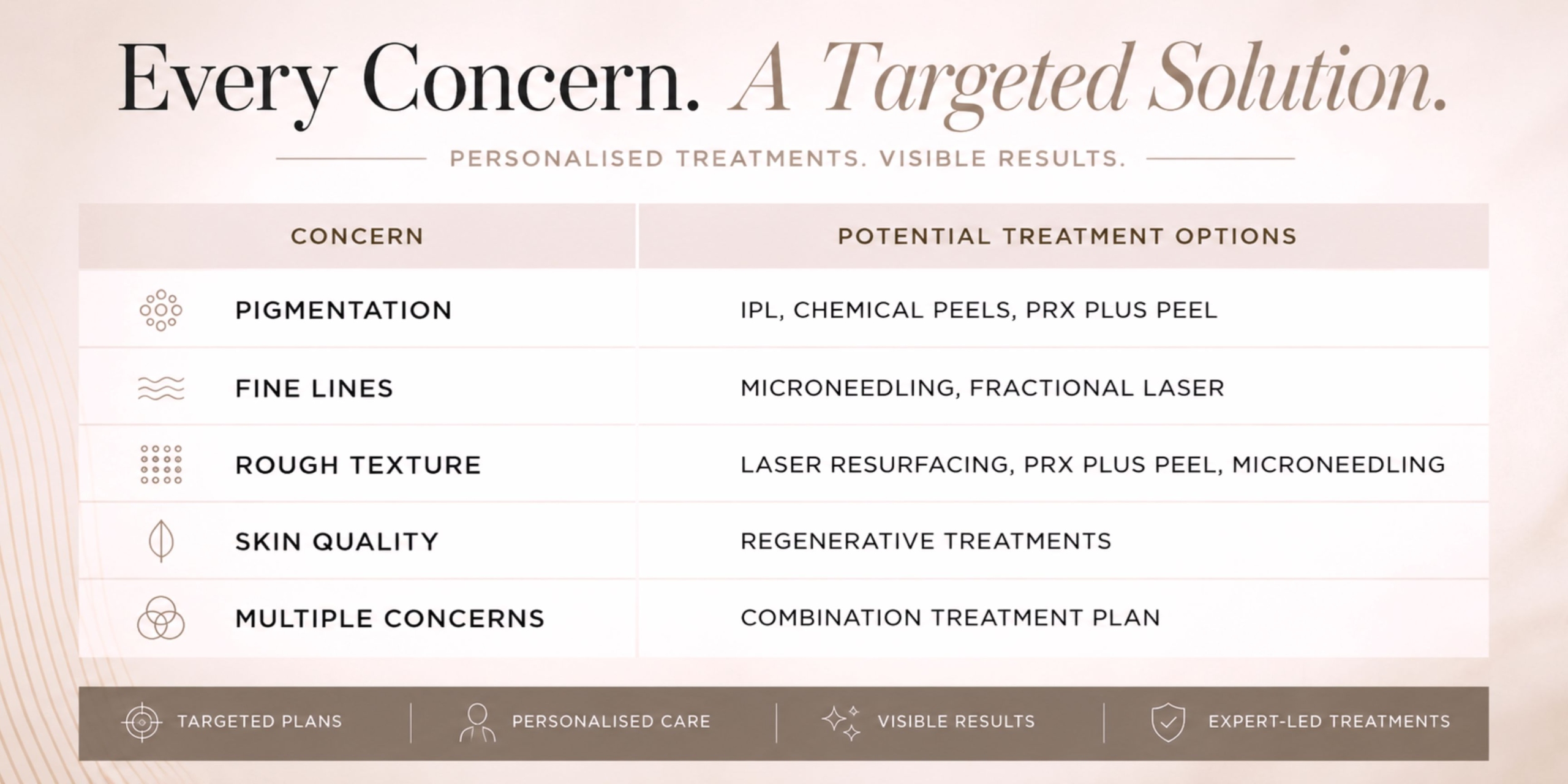
Patients seeking treatment for sun-damaged skin often achieve the best outcomes through a combination approach that addresses pigmentation, collagen loss and skin quality simultaneously.
How to Prevent Further Sun Damage
Prevention remains one of the most important aspects of maintaining healthy skin…
Daily application of a broad-spectrum SPF 50+ sunscreen is essential, regardless of the season or weather conditions. Sunscreen should be reapplied regularly during prolonged outdoor exposure.
Protective measures such as wide-brimmed hats, sunglasses and sun-protective clothing can further reduce UV exposure. Incorporating topical antioxidants, including Vitamin C, into your skincare routine can help defend against free-radical damage caused by environmental stressors.
Regular professional skin assessments also play an important role, allowing early identification of sun damage and ensuring appropriate preventative strategies are in place.
Ultimately, preventing UV damage is far more effective and cost-efficient than attempting to correct it later.
When Should You Seek Professional Treatment for Sun-Damaged Skin?
Professional assessment should be considered when pigmentation becomes persistent, sunspots continue to darken, skin texture worsens or fine lines become increasingly noticeable.
Many patients also seek treatment when skincare alone is no longer delivering meaningful improvement.
Importantly, any sudden change in a mole, pigmented lesion or skin growth should always be assessed medically to exclude potentially serious conditions.
Early intervention often allows for simpler, more effective treatment and may help prevent the progression of photoageing over time.
Frequently Asked Questions About Sun-Damaged Skin
Can sun-damaged skin heal naturally?
The skin has some ability to repair itself, but significant UV damage typically requires targeted treatment to achieve noticeable improvement.
What is the best treatment for sun spots on the face?
The best sun spots treatment depends on the type and depth of pigmentation present. IPL, chemical peels and laser treatments are among the most effective options.
Can laser remove sun damage permanently?
Laser treatments can significantly improve existing sun damage, but they cannot prevent future UV exposure from causing additional changes. Ongoing sun protection remains essential.
How long does it take to improve sun-damaged skin?
Results vary depending on the severity of damage and the treatments performed. Some improvements may be visible within weeks, while collagen remodelling can continue for several months.
Is sun damage the same as hyperpigmentation?
No. Hyperpigmentation is one manifestation of sun damage, but photoageing also includes collagen loss, wrinkles, redness, broken capillaries and texture changes.
Can regenerative treatments improve sun-damaged skin?
Yes. Regenerative treatments can support collagen production, improve skin quality and complement other therapies used to treat photoageing.
A Personalised Approach Delivers the Best Results
There is no single solution that suits every patient. The most effective sun damage treatment depends on the type, depth and severity of the changes present, as well as your individual skin concerns and long-term goals.
Whether you are seeking treatment for pigmentation, sunspots, texture irregularities or overall skin rejuvenation, a personalised treatment plan often delivers the most comprehensive and natural-looking results. In many cases, combining medical-grade skincare with advanced in-clinic procedures provides superior outcomes while supporting long-term skin health.
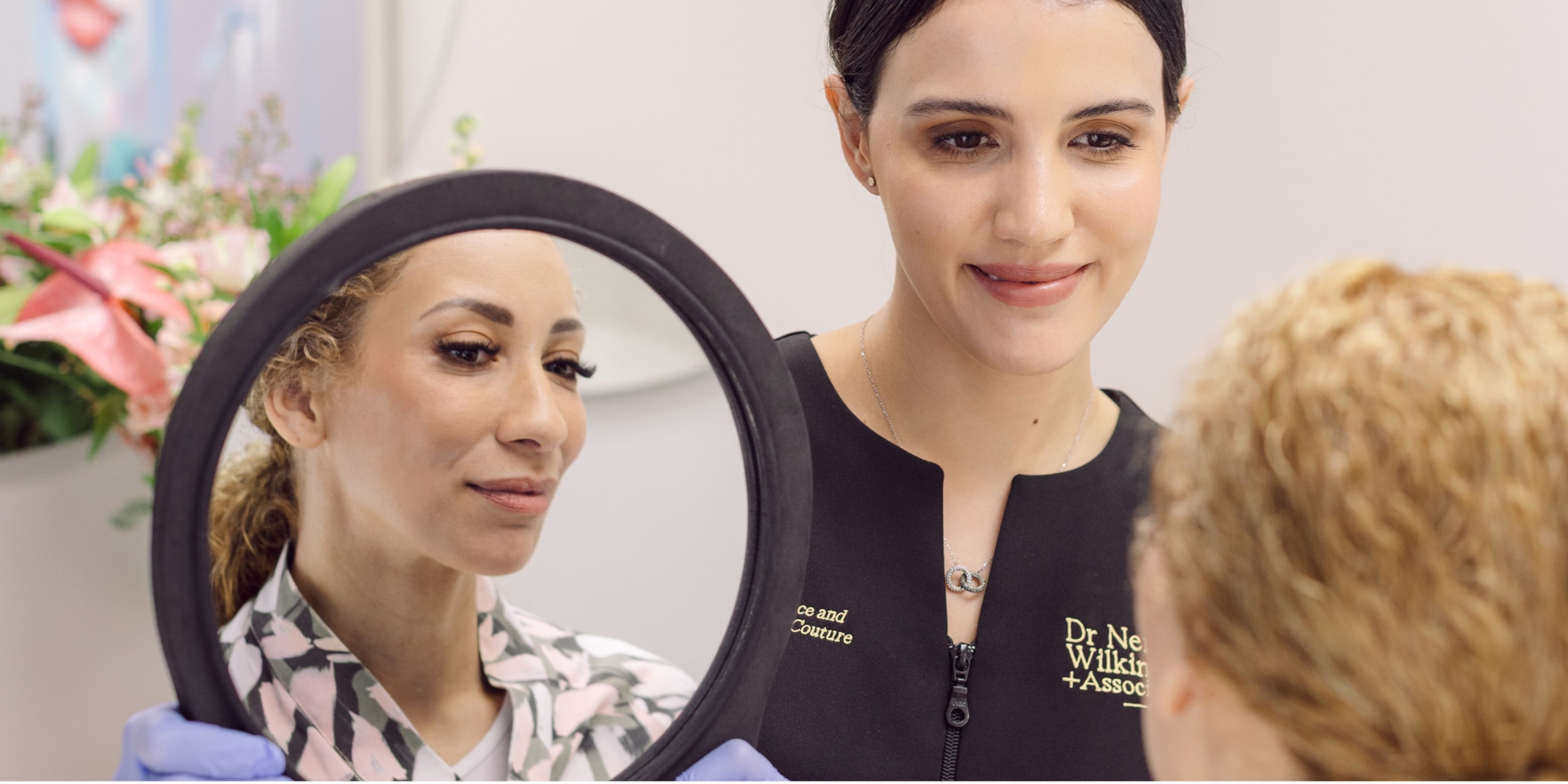
At Dr Nerina Wilkinson + Associates, our skin specialists take a personalised approach to treating sun-damaged skin, combining advanced technologies, medical-grade skincare and regenerative therapies to restore healthier, more evenly-toned and radiant skin.
Book your VISIA skin analysis consultation to discover the most suitable treatment plan for your skin concerns.
Written by Senior Skincare Specialist, Anke Theron