“I don’t go in the sun anymore, but my pigmentation is getting worse.”
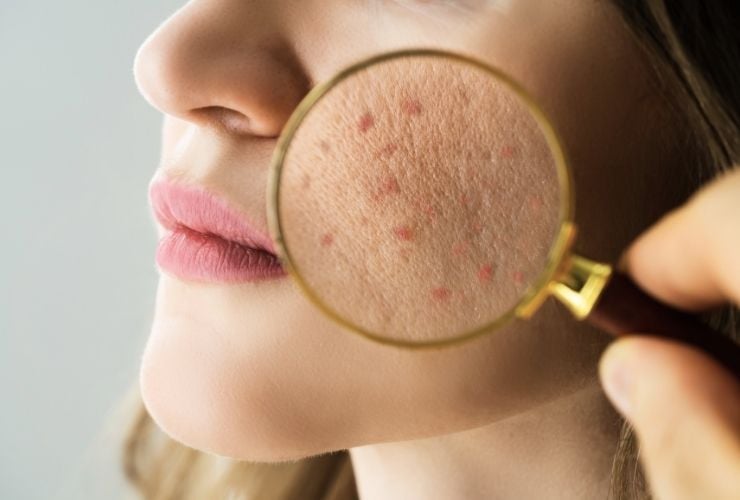
“I had acne years ago. Why does my skin still react like this?”
“I’m doing everything right, so why does my skin still feel inflamed?”
If any of those sound familiar, you’re not imagining things, and you’re not doing anything wrong.
One of the biggest misunderstandings in skincare is the belief that skin only responds to what we’re doing now. In reality, skin is shaped by everything it has experienced over time.
Your skin has a memory.
And it remembers more than you think.

What Does ‘Skin Memory’ Actually Mean?
When we talk about skin memory, we’re not talking about something mystical or abstract. We’re talking about biology.
Skin memory refers to the way your skin responds today based on past exposure, stress, inflammation, and injury. Skin cells adapt to their environment. When they’re repeatedly exposed to certain stressors, they learn how to respond, and they don’t instantly forget.
Your skin today is shaped by the sun it was exposed to years ago, the acne it battled earlier in life, repeated cycles of stress and inflammation, and the times its natural barrier was weakened.
So when someone says, “But I don’t do that anymore…”, they’re often absolutely right.
Their skin isn’t reacting to the present; it’s responding to its history.

Sun Exposure: Why the Past Still Shows Up
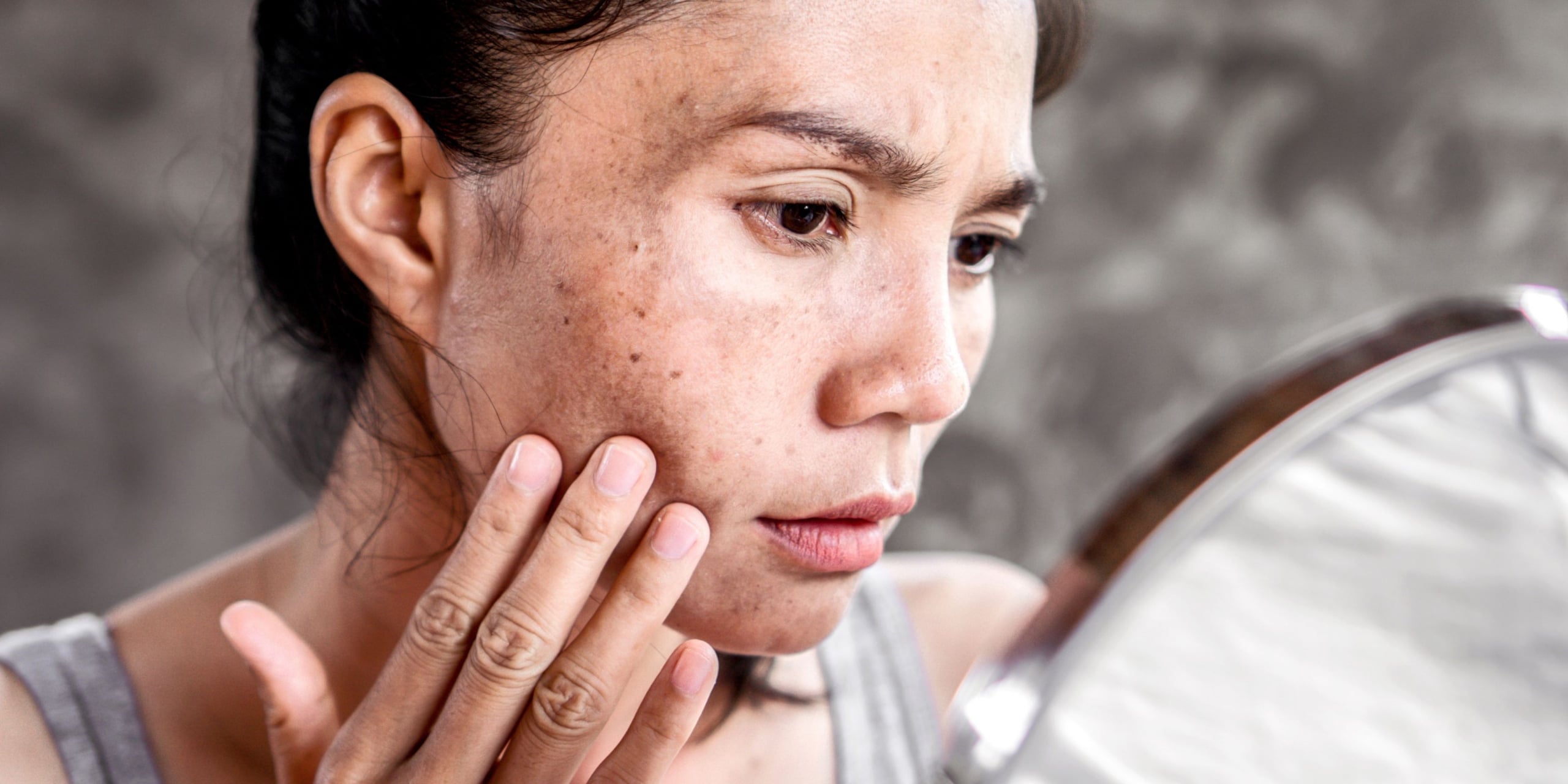
Sun damage is probably the most common example of skin memory and also the most confusing. Many people only become truly sun-conscious later in life. They start wearing sunscreen daily, avoiding peak sun, protecting their skin properly, and then pigmentation suddenly appears.
Naturally, the question is:
“How is this happening now?”
The answer lies in how UV exposure works.
The Truth? Sun Damage Is Cumulative
UV radiation doesn’t just affect the skin in the moment. Every exposure adds to a cumulative load of damage within skin cells. Even if you never burned, never peeled, never tanned dramatically, the damage still adds up.
Over time, UV exposure damages DNA within skin cells, sensitises pigment-producing cells, increases inflammation beneath the surface, and weakens the skin’s natural repair mechanisms. This damage can exist quietly under the surface of the skin for years. Later, when the skin experiences triggers such as heat, hormonal shifts, inflammation from acne or treatments, stress, or aggressive exfoliation, pigmentation can suddenly appear.
So when someone says, “I don’t go in the sun anymore,” what they’re really saying is: “I’m not adding new damage, but my skin is expressing old damage.” And that’s an important distinction.
Why Pigmentation Often Appears Later in Life
Pigment cells don’t just react to sunlight; they react to stress. The skin tans for a reason; it’s trying to protect itself.
Melanocyte cells produce melanin, the pigment in our skin. This acts as a natural shield against UV rays. But once the melanin has absorbed all it can, the harmful rays can sneak deeper into the skin and potentially damage the cells’ DNA. As skin ages, pigment-producing cells become more sensitive. That means they’re quicker to respond to triggers, even mild ones.
This is why pigmentation often shows up later than expected, returns easily, darkens after inflammation, and can seem stubborn despite good skincare habits.
The skin remembers the years it spent protecting itself from UV damage, and it stays cautious long after the threat feels “gone”.
Stress: The Skin Never Forgets
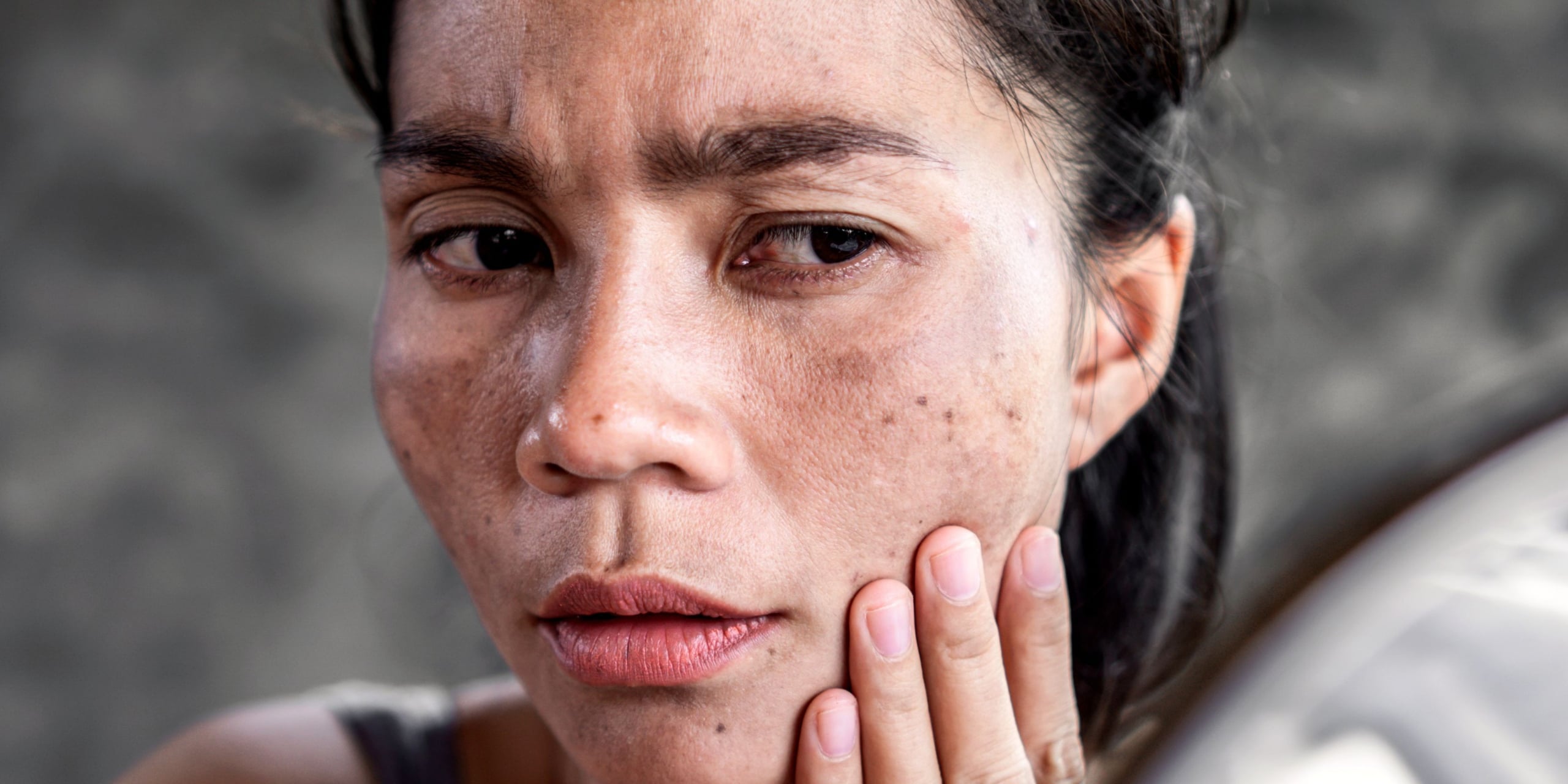
Stress doesn’t just live in your head; it lives in your skin.
Remember, stress = cortisol
When you’re under stress, your body releases cortisol, a hormone that directly affects the skin by disrupting its barrier, altering oil production, increasing inflammation, and impacting the immune response.
Short-term stress usually resolves without long-term consequences. But chronic or repeated stress is different.
What Chronic Stress Teaches the Skin
Over time, repeated stress can train the skin to stay inflamed more easily, heal more slowly, become more sensitive, and overreact to products or treatments. Even once life calms down, the skin doesn’t instantly reset. It has learned that the environment is unpredictable, so it stays on alert.
This is why people often say, “I’m not stressed like I used to be, but my skin still reacts.”
The skin remembers what it had to endure, and it takes time to feel safe again.

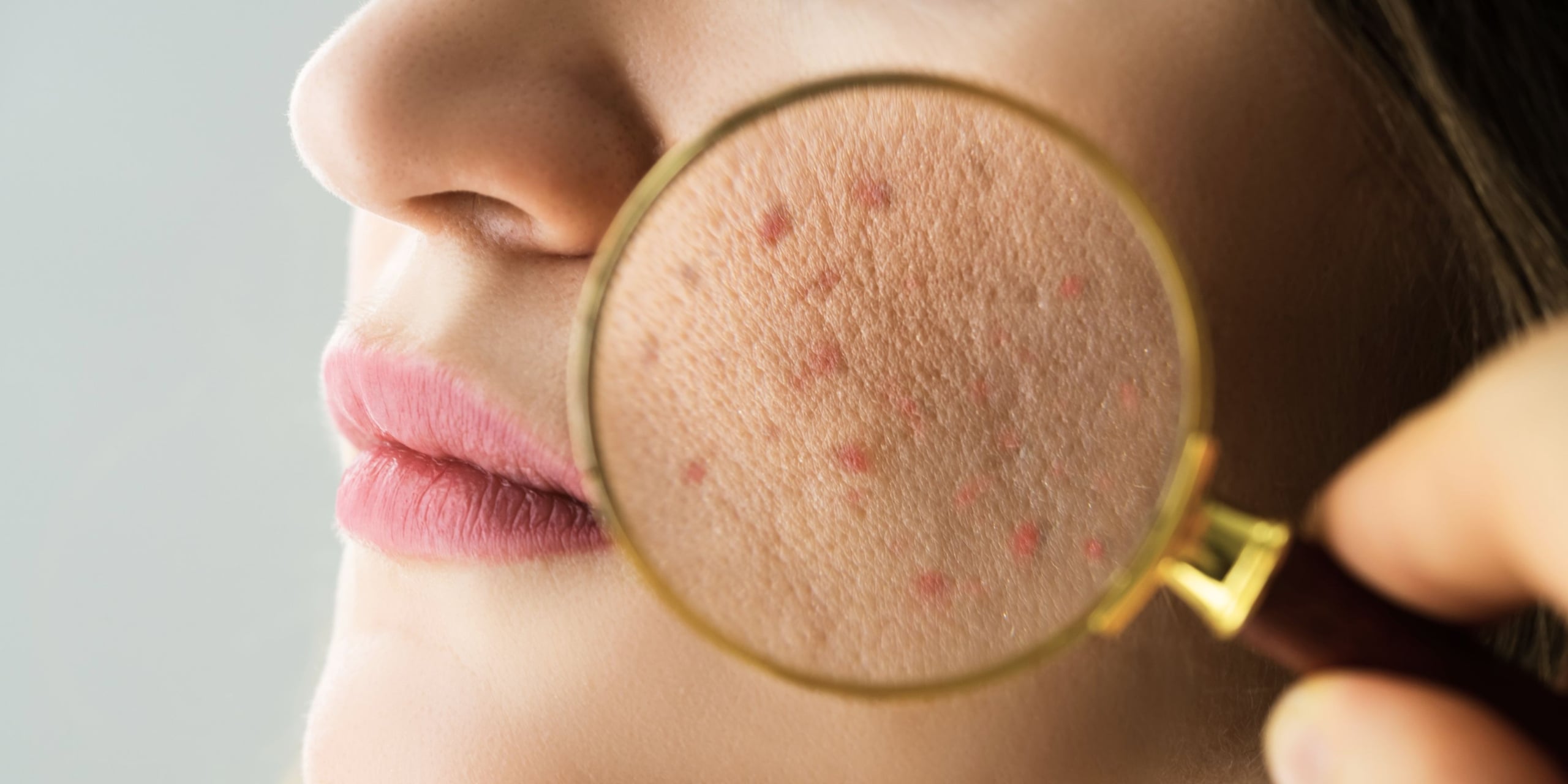
Acne: A Condition That Leaves a Lasting Imprint
Acne is often treated as something that happens, clears, and disappears without consequence. In reality, acne is a chronic inflammatory condition, and inflammation always leaves a footprint. Repeated breakouts cause ongoing inflammation in the skin, disrupt the skin barrier, change how oil glands behave, and heighten immune responses.
Even after acne clears, the skin may still flush easily, break out under stress, react to strong products, and develop pigmentation more easily.
This is why people often say, “My acne is gone, but my skin still behaves like acne skin.”
The condition may be gone, but the skin remembers how it learned to respond.
Epigenetics: How Life Experiences Shape Skin Behaviour
This is where things get really interesting.
Epigenetics is the science of how environmental factors influence gene expression, without changing your DNA itself. In simple terms, your genes are like a set of instructions. Epigenetics decides which instructions get turned up, turned down, or temporarily switched off.
In the skin, factors like UV exposure, inflammation, stress, pollution, and lifestyle habits can affect how genes that control collagen production, pigmentation, inflammation, and barrier repair are expressed.
This means your skin isn’t just shaped by genetics; it’s shaped by how it has lived.
The good news? Epigenetic changes aren’t permanent. But they do take time to shift.

Why “Doing Everything Right” Can Still Feel Frustrating
This is often the hardest part emotionally.
You’re using the right products.
You’re protecting your skin.
You’re avoiding harsh treatments.
You’re being consistent.
And yet… your skin still struggles. This doesn’t mean you’re failing. It means your skin is recovering from a longer story.
Inflammation doesn’t switch off overnight.
Pigment cells don’t instantly calm down.
Barrier repair happens slowly.
Skin memory fades gradually, not instantly. Your skin didn’t get to this point overnight, and it won’t heal overnight either; years of damage take time to repair.
And sometimes, the most important thing you can give your skin is time.

Can Skin Memory Be Changed?
Not erased, but absolutely reshaped.
Skin is incredibly adaptable. With the right support, it can learn a new baseline. This happens by consistently supporting the skin barrier, calming inflammation before chasing results, avoiding over-treatment, protecting against further UV damage, and sticking to routines long enough for the skin to trust them.
Over time, the skin stops bracing for stress and starts functioning more calmly.
Why This Changes How We Should Think About Skincare
When you understand skin memory, skincare stops being about quick fixes.
It becomes about prevention instead of correction, patience instead of intensity, and consistency instead of constant change. It also explains why two people using the same routine can have completely different outcomes. Their skin histories are different.
Your skin isn’t just responding to today’s routine; it’s responding to everything it has been through.
Final Thoughts
Skin doesn’t forget the sun it had to protect itself from.
It doesn’t forget the stress it lived through.
It doesn’t forget years of inflammation.
But that doesn’t mean it can’t heal.
When skincare acknowledges the past instead of fighting it, the skin often responds with balance, resilience, and strength.
And that’s when real, long-term skin change begins.
If your skin still feels reactive, inconsistent, or resistant despite doing “everything right,” it may be time for a more personalised, medically guided approach. Book your VISIA skin analysis consultation at Dr Nerina Wilkinson + Associates to start reshaping your skin’s future.
Written by Skincare Specialist, Amy Ellis