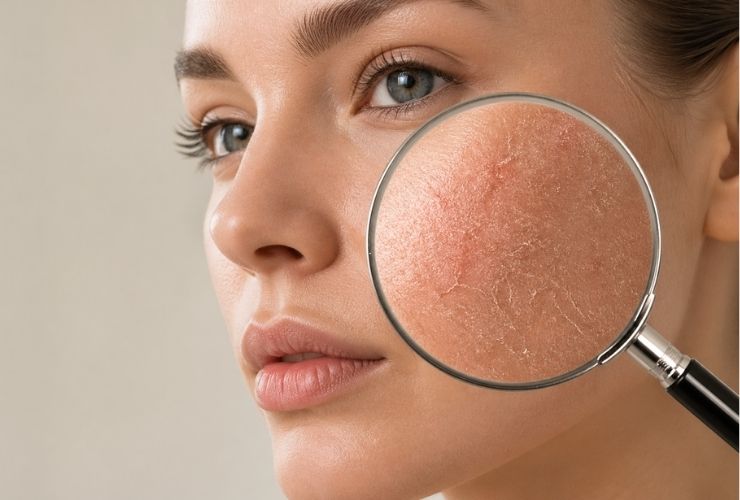
A compromised skin barrier is one of the most common – and most overlooked – causes of persistent skin concerns today. In this blog, we explore what the skin barrier actually is, how to recognise the signs of damage, and (more importantly) how to restore your skin back to strength and balance.
What Is The Skin Barrier?
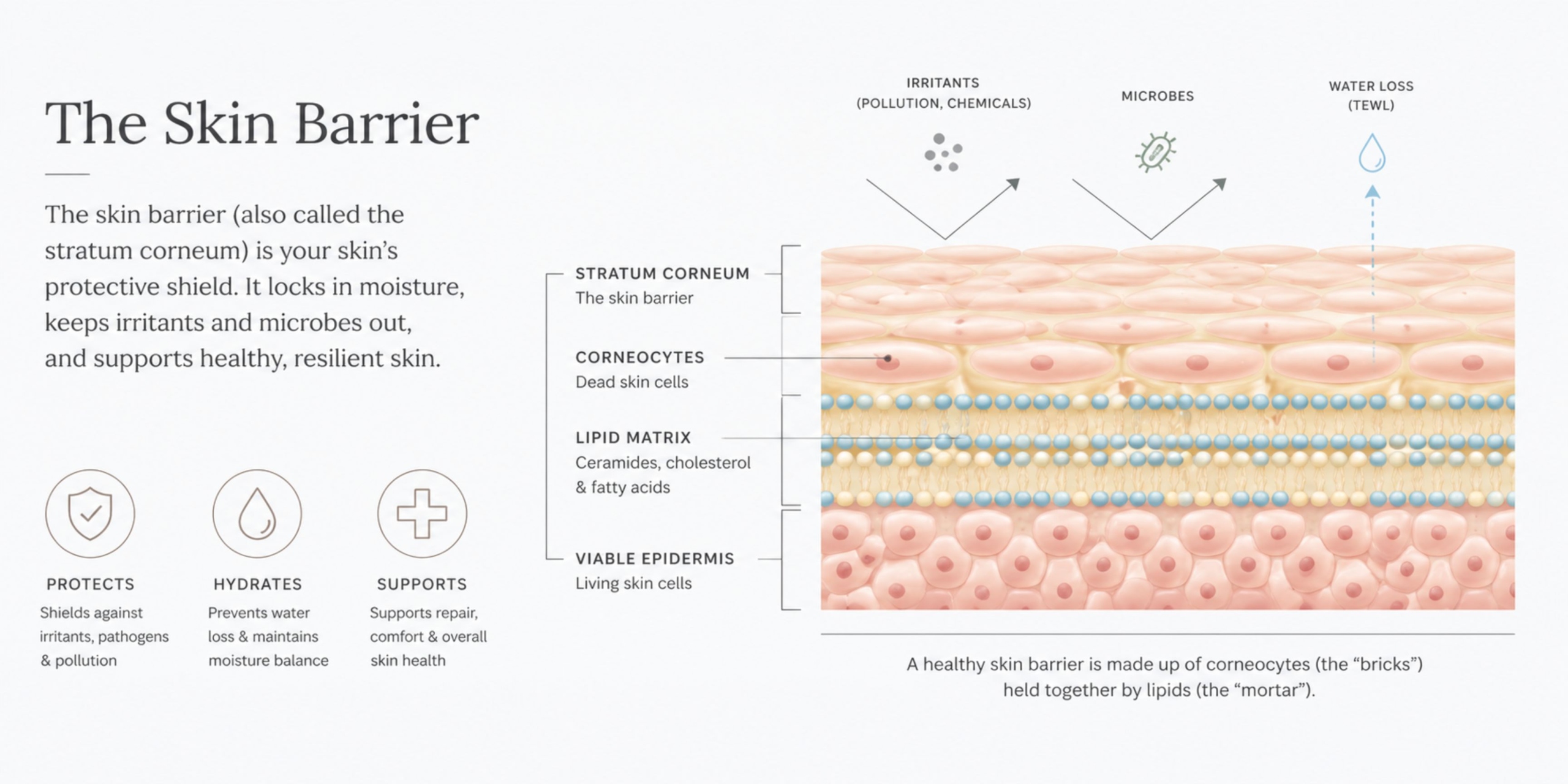
The skin barrier is your body’s outermost layer, made up of cells and lipids that lock in moisture and keep irritants out. When it’s healthy, the skin looks calm and hydrated. When compromised, it becomes dry, inflamed, and unpredictable.
With the rise of over-exfoliation, strong active ingredients, and social media-driven routines, barrier damage has become increasingly common. The good news? It’s completely treatable. With the right care, your skin can repair, rebalance, and regain its strength.
Your skin barrier is not failing you – it’s trying to protect you.
What Does The Skin Barrier Do?
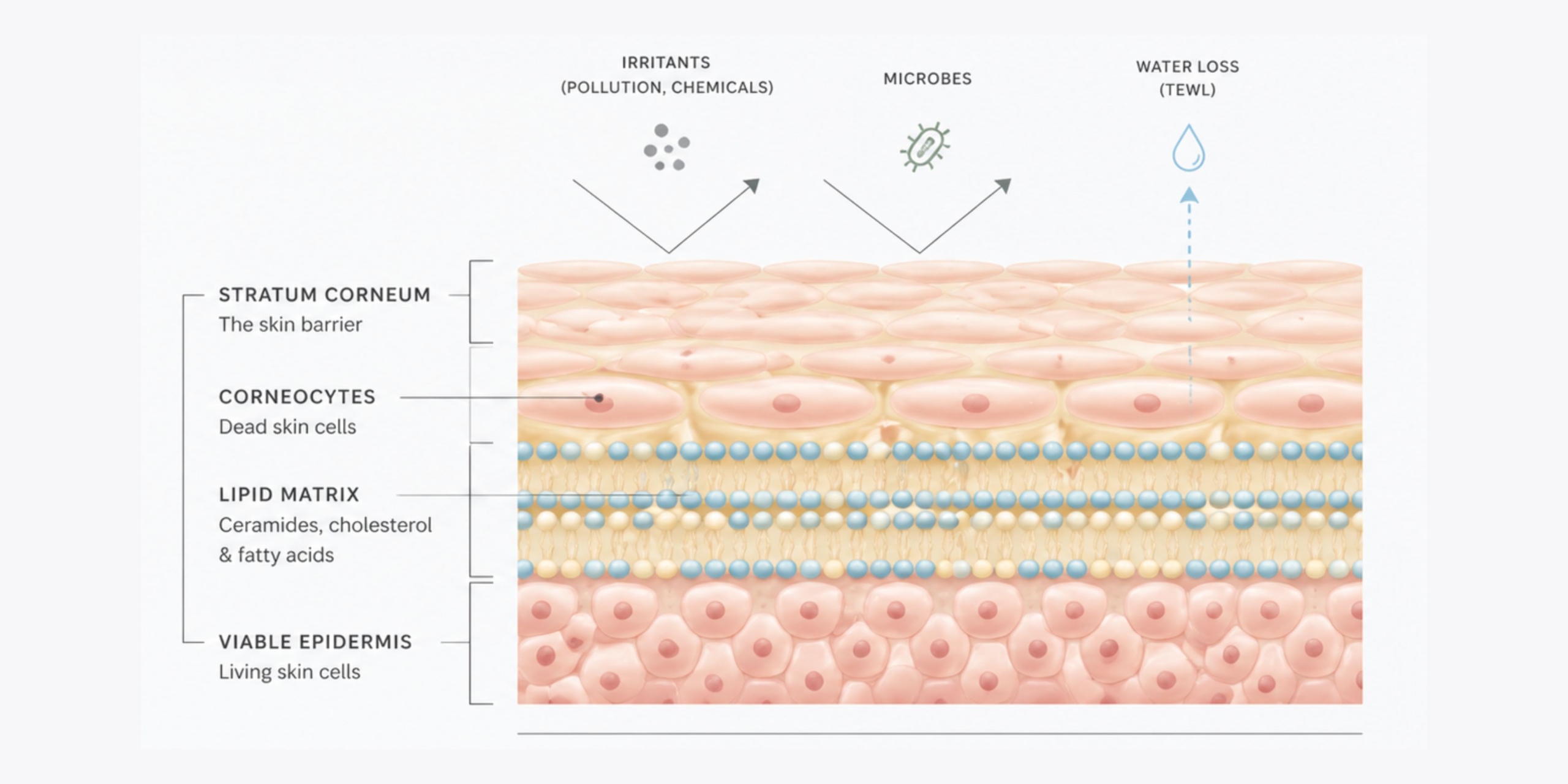
The skin barrier function is essential for maintaining healthy, balanced skin. The stratum corneum, the outermost layer of the skin, consists of flattened, dead skin cells surrounded by lipids, forming a compact protective layer. Its primary roles include protecting against external irritants such as pollution and bacteria, retaining moisture by preventing excessive water loss, and helping to regulate inflammation within the skin.
When this function is disrupted (often due to the overuse of active ingredients and excessive exfoliation), the skin becomes more vulnerable. This can present as increased sensitivity, persistent breakouts, and even accelerated signs of ageing.
With the right care and a simplified approach, these changes are manageable, and the skin barrier can be restored to a healthier, more resilient state.
What Causes A Damaged Skin Barrier?
Understanding the causes of a damaged skin barrier is essential for maintaining healthy skin. Often, it’s not one single factor, but a combination of habits that lead to disruption.
Over-exfoliation (especially with alpha hydroxy acids, beta hydroxy acids, and retinoids) is a leading cause, along with using too many active ingredients at once. Harsh cleansers can strip the skin of its natural oils, while environmental stressors like UV exposure and pollution further weaken the barrier.
In addition, over-treatment or incorrect professional treatments, as well as DIY or trend-driven routines, can leave the skin overwhelmed and sensitised.
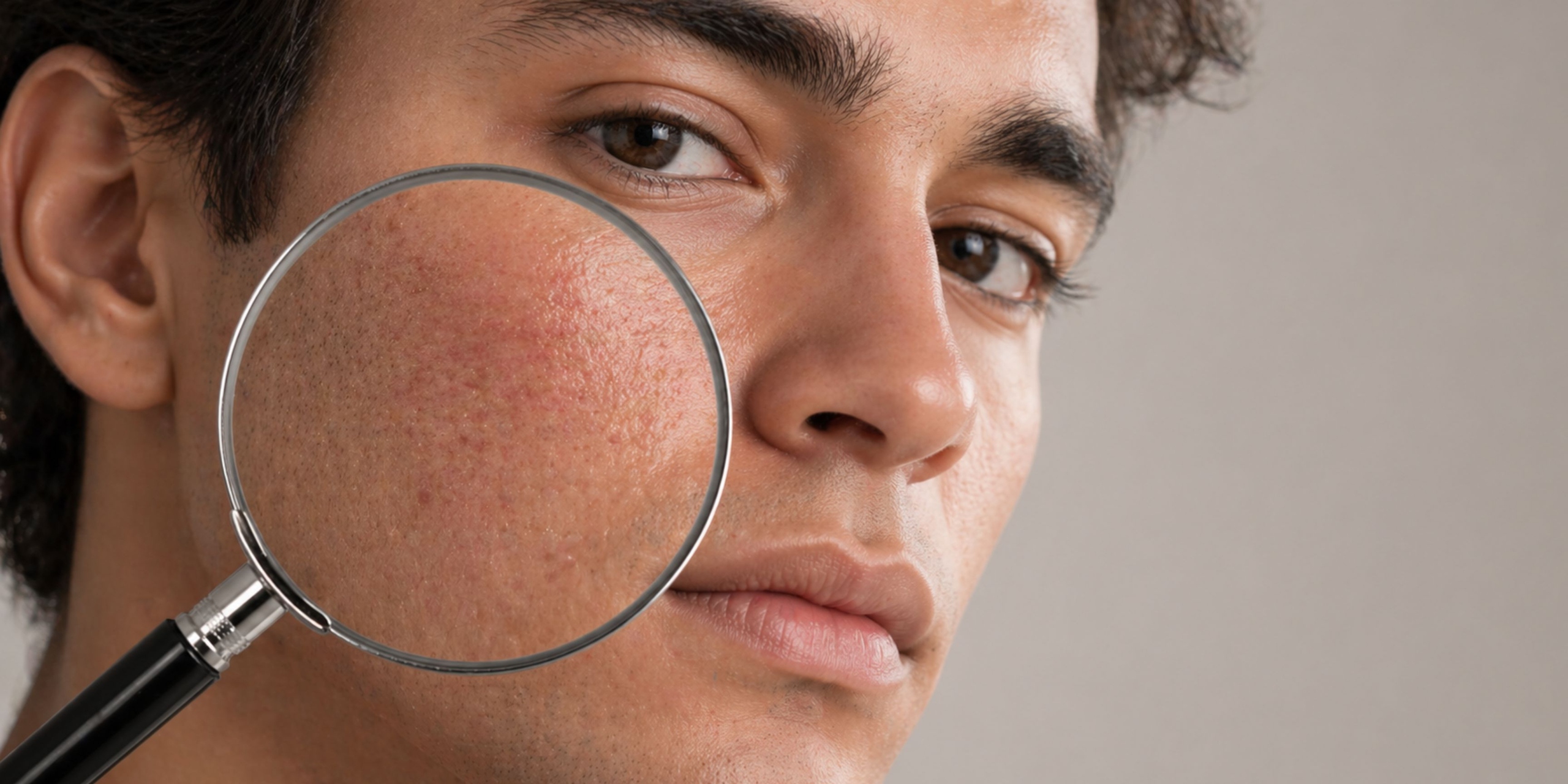
Top 10 Signs Your Skin Barrier Is Damaged
-
Persistent Dryness or Tightness
- What it is: Skin feels constantly dry, even after moisturising
- Why it happens: Increased water loss due to impaired barrier function
- Clinical meaning: Elevated trans epidermal water loss (TEWL) – a hallmark of barrier disruption
-
Increased Sensitivity
- What it is: Skin reacts easily to products or environmental changes
- Why it happens: Irritants penetrate more easily
- Clinical meaning: Reduced protective function of the stratum corneum
-
Redness or Inflammation
- What it is: Visible flushing or irritation
- Why it happens: Inflammatory response triggered by barrier compromise
- Clinical meaning: Activation of the skin’s immune pathways
-
Stinging or Burning When Applying Products
- What it is: Discomfort when using even mild products
- Why it happens: Nerve endings become more exposed
- Clinical meaning: Barrier permeability is significantly increased
-
Breakouts That Don’t Respond to Acne Treatments
- What it is: Persistent or worsening acne despite treatment
- Why it happens: Inflammation and imbalance worsen breakouts
- Clinical meaning: Over-treatment may aggravate the condition
-
Rough, Uneven Skin Texture
- What it is: Skin feels coarse or irregular
- Why it happens: Disrupted cell turnover and dehydration
- Clinical meaning: Impaired skin renewal processes
-
Sudden Reaction to Products You Previously Tolerated
- What it is: New irritation from familiar products
- Why it happens: Lower tolerance threshold
- Clinical meaning: Compromised resilience of the skin barrier
-
Dehydrated, Dull-Looking Skin
- What it is: Lack of radiance, tired appearance
- Why it happens: Poor moisture retention
- Clinical meaning: Reduced hydration at a cellular level
-
Increased Oiliness (Compensatory Sebum Production)
- What it is: Skin becomes oilier than usual
- Why it happens: Skin overproduces oil to compensate for dryness
- Clinical meaning: Barrier imbalance disrupting oil regulation
-
Delayed Healing and Increased Skin Reactivity
- What it is: Skin takes longer to recover from breakouts or treatments
- Why it happens: Impaired repair mechanisms
- Clinical meaning: Reduced regenerative capacity
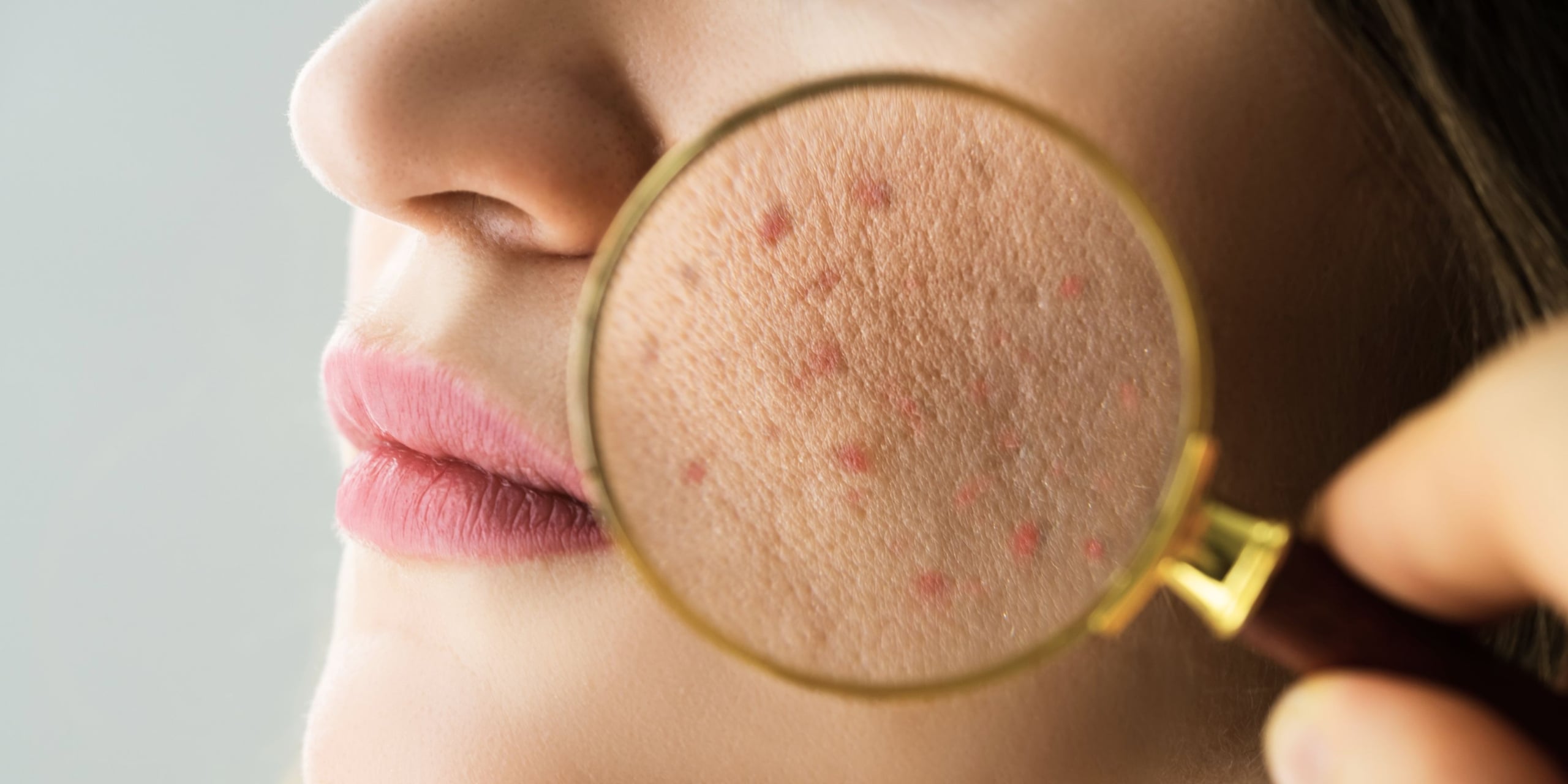
How To Repair Your Skin Barrier
Here are 6 things you can start doing immediately to start repairing a damaged skin barrier:
-
Simplify Your Routine
When the skin barrier is compromised, complexity becomes the enemy. Multiple products, layered actives, and trend-driven routines can further overwhelm an already sensitised skin. A “less is more” approach allows the skin to stabilise and recover. Focus on a core routine of a gentle cleanser, a barrier-supportive moisturiser, and daily SPF. Removing unnecessary steps reduces irritation, minimises conflicting ingredients, and creates the optimal environment for repair.
-
Pause Active Ingredients
Active ingredients are highly effective when used appropriately, but in a compromised state, they can exacerbate inflammation and delay healing. Temporarily discontinuing retinoids, exfoliating acids (AHAs, BHAs, PHAs), and certain forms of Vitamin C allows the skin to reset. Avoid layering multiple actives or introducing new treatments during this phase. The goal is not to “treat” the skin, but to restore its baseline function before reintroducing corrective ingredients.
-
Focus on Barrier-Repair Ingredients
Barrier repair requires replenishing the essential components that maintain the skin’s structure and hydration. Ingredients such as ceramides, fatty acids, and cholesterol mimic the skin’s natural lipid matrix, helping to rebuild and strengthen the barrier. Hyaluronic acid supports hydration at multiple levels of the skin, while niacinamide helps reduce inflammation and improve barrier resilience. Consistent use of these ingredients supports recovery at a cellular level, rather than providing temporary surface relief.
-
Use a Gentle Cleanser
Cleansing is a critical step, but when done incorrectly, it can further strip and weaken the skin. Harsh, foaming cleansers often disrupt the lipid barrier and increase transepidermal water loss. Instead, opt for a pH-balanced, non-foaming or low-foaming cleanser that effectively removes impurities without compromising the skin’s natural oils. The skin should feel clean, but never tight or dry after cleansing.
-
Protect with SPF Daily
Ultraviolet (UV) exposure is one of the most significant external factors that impairs barrier function and prolongs inflammation. Without adequate protection, the skin remains in a constant state of stress, making recovery more difficult. Daily use of a broad-spectrum SPF is essential – even on overcast days or when indoors with indirect exposure. Protecting the skin from further damage is a non-negotiable step in allowing the barrier to repair effectively.
-
Rebuild Gradually (Not Aggressively)
Barrier repair is a progressive process, not an overnight fix. Once the skin shows signs of stability – reduced sensitivity, improved hydration, and less inflammation – active ingredients can be reintroduced slowly and strategically. This should be done in a controlled manner to avoid triggering further disruption. Quick-fix trends and aggressive treatments often reverse progress, whereas a guided, phased approach ensures long-term skin health and resilience. Ideally, this process is supported by professional guidance to ensure the right ingredients are introduced at the right time.

When Barrier Repair Requires Expertise
There are times when even the most considered at-home routine is not enough to restore a compromised skin barrier. Persistent sensitivity, ongoing inflammation, or a lack of improvement despite simplifying your routine are all indicators that the skin requires a more advanced, clinical approach.
At Dr Nerina Wilkinson + Associates, barrier-impaired skin is approached with precision, not assumption. Rather than layering treatments or following trends, we begin by understanding exactly what your skin needs – and, just as importantly, what it does not.
Your treatment journey may include advanced skin analysis to assess barrier function and underlying imbalances, followed by a personalised consultation to map out a tailored recovery strategy. From there, carefully selected interventions are introduced to support repair at a deeper level.
These may include regenerative, barrier-supportive treatments such as PRP (platelet-rich plasma) and GFIT (growth factor induction therapy), alongside targeted recovery-focused therapies designed to calm inflammation and accelerate healing. Medical-grade skincare protocols are prescribed to reinforce results at home, ensuring continuity between in-clinic care and daily maintenance. Where appropriate, technologies such as Dermalux LED light therapy may be incorporated to reduce inflammation and support cellular repair, while gentle, controlled resurfacing treatments are introduced only once the skin is ready.
This is not about doing more. It is about doing what is medically appropriate, at the right time, in the right way.
Because true skin restoration is not driven by intensity – but by precision, timing, and expertise.
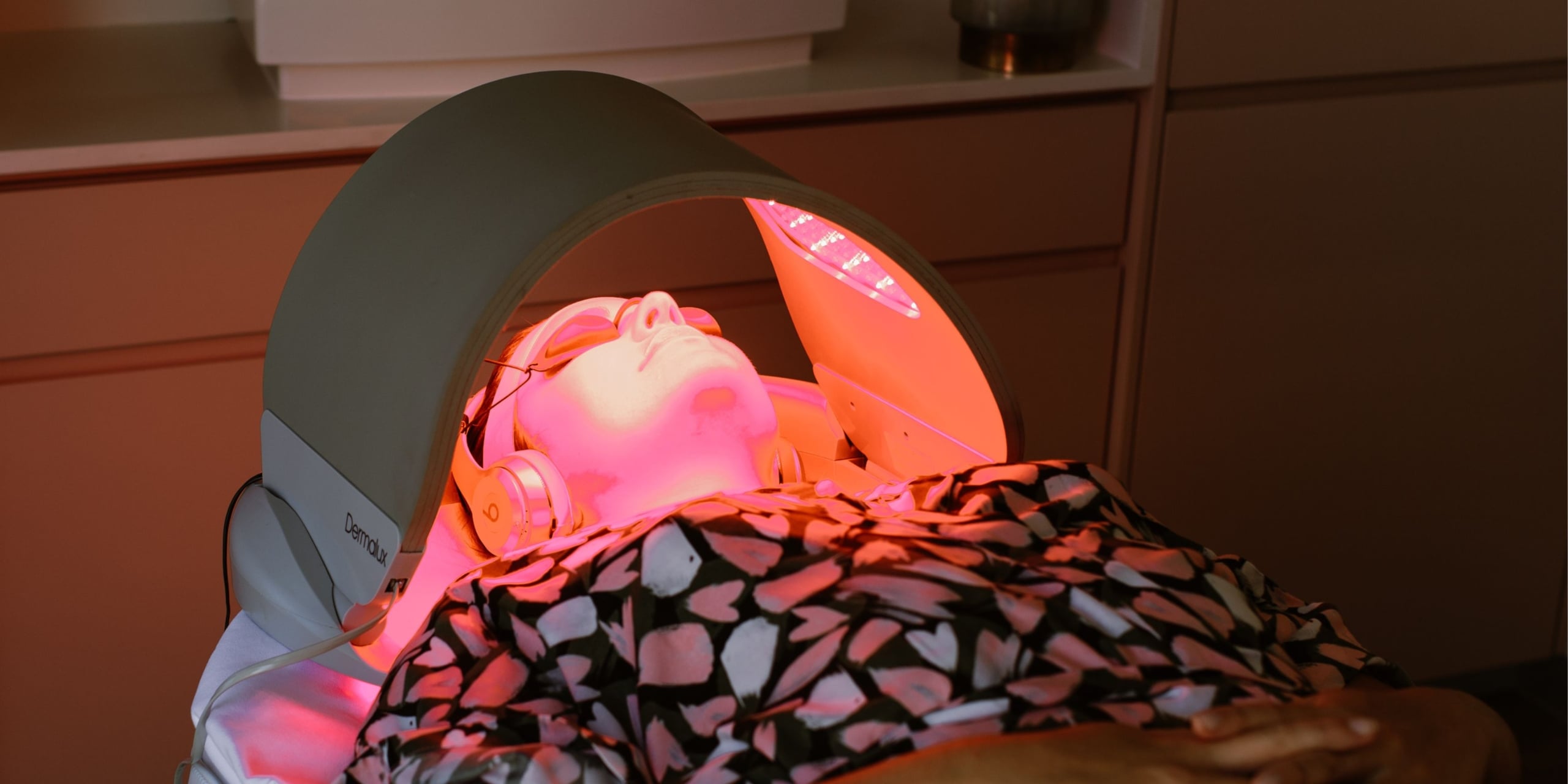
A Precision-Led Approach to Skin Barrier Restoration
At Dr Nerina Wilkinson + Associates, we understand that barrier repair is not a standardised process – it is a carefully guided, patient-specific journey.
No two skins present the same way, and more importantly, no two skins recover in the same way. That is why our approach is rooted in individualisation, clinical insight, and a long-term view of skin health.
Each treatment plan is designed to restore function before pursuing correction. This means prioritising the integrity of the skin barrier (rebuilding its strength, resilience, and ability to regulate itself) before introducing more advanced aesthetic interventions. It is this sequencing that allows results to not only be visible, but truly sustainable.
Our philosophy is grounded in a regenerative approach to skin health, combining in-clinic treatments with medical-grade homecare to support repair at every level. Rather than overwhelming the skin with excessive products or aggressive treatments, we focus on delivering the right intervention, at the right time, in the right way.
Because healthy skin is not achieved through accumulation, but through precision.
Barrier damage is often the result of well-intentioned routines applied without the necessary guidance. With a structured, clinically led approach, the skin has the ability to recover, rebalance, and perform optimally again.

Every Skin Barrier Is Different
Every skin barrier tells a different story, and understanding that story is the foundation of effective treatment.
At Dr Nerina Wilkinson + Associates, your journey begins with a personalised consultation designed to assess your skin in detail, identify underlying imbalances, and create a treatment plan tailored specifically to you.
From there, we guide you through a structured process of restoration – one that prioritises skin health first, and aesthetic outcomes second.
Because when the skin is functioning as it should, everything else follows.
Book your VISIA skin analysis consultation and take the first step toward stronger, more resilient, clinically healthy skin.
Written by Senior Skincare Specialist, Louné Maree