Dry skin is one of the most common skin concerns, yet it is often misunderstood and undertreated.
Many people assume that dry skin simply requires a better moisturiser. While moisturisers certainly play an important role, persistent dryness is often linked to changes within the skin barrier itself – affecting how effectively the skin retains moisture, protects against environmental stressors, and maintains overall skin health.
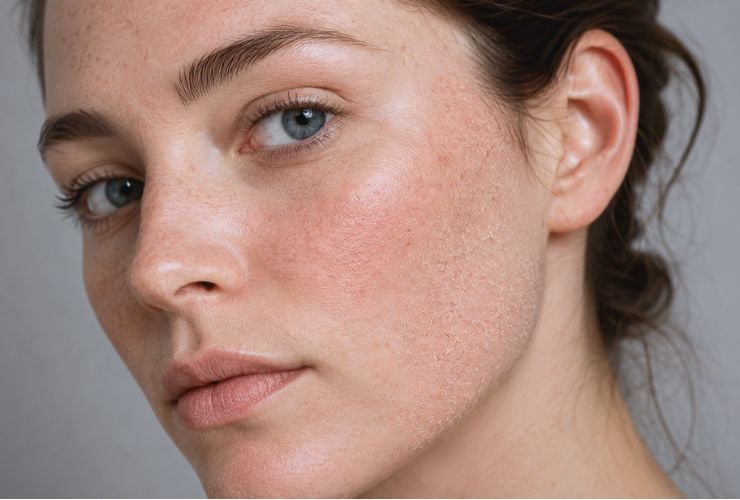
Dry skin can affect far more than appearance. Patients with dry skin commonly experience:
- Tightness and discomfort
- Flaking and peeling
- Rough texture
- Redness and irritation
- Dullness and reduced radiance
- Increased sensitivity
- Fine lines appearing more noticeable
- Difficulty tolerating active skincare ingredients
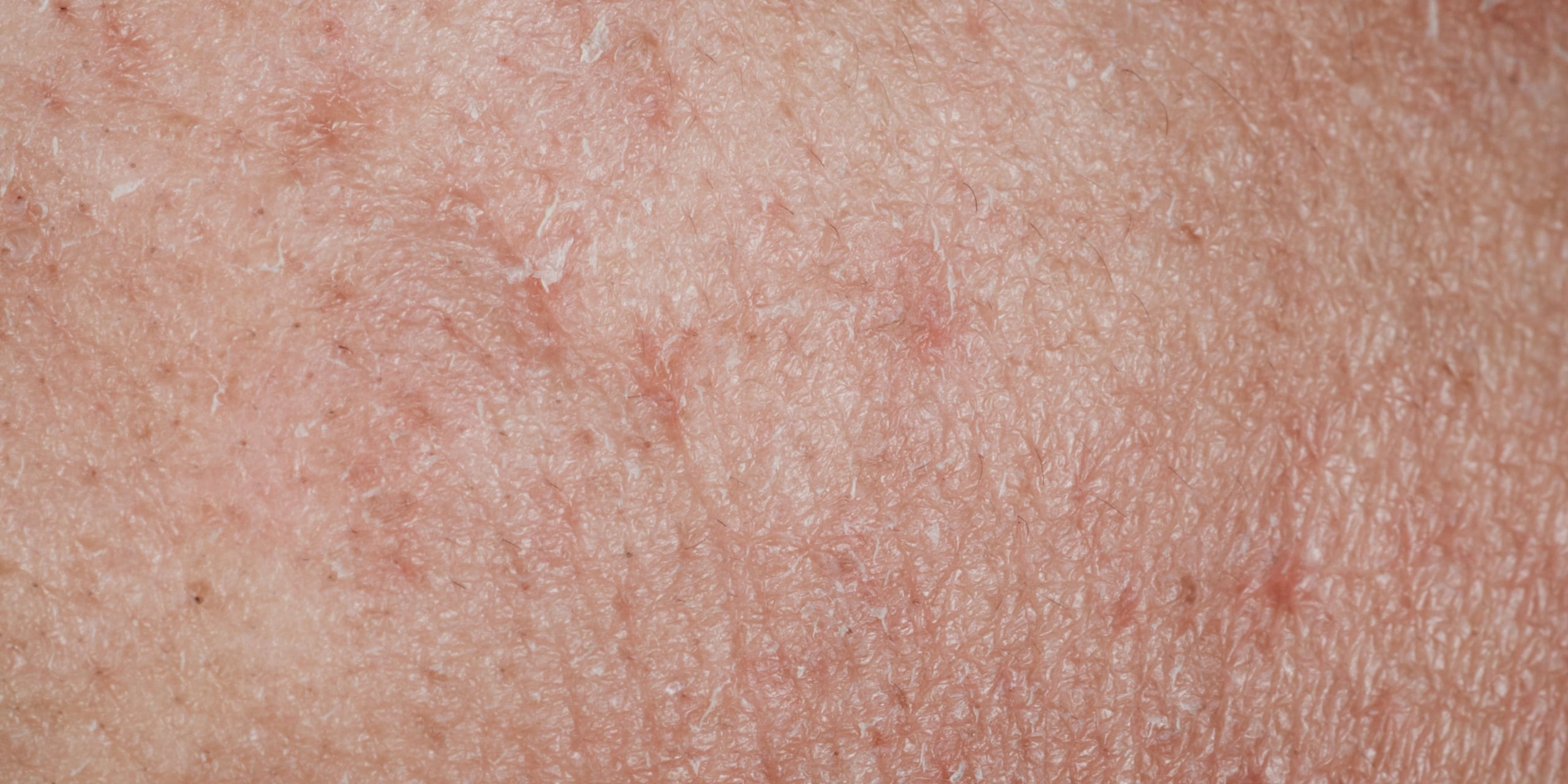
At a physiological level, dry skin is frequently associated with increased transepidermal water loss (TEWL), meaning the skin loses moisture faster than it can retain it. As hydration declines, the skin becomes less resilient, more reactive and increasingly prone to inflammation.
At Dr Nerina Wilkinson + Associates, we believe successful dry skin treatment begins with understanding why the skin is dry in the first place. Rather than masking symptoms, our goal is to restore healthy skin function and long-term hydration.
Whether you are looking for a treatment for dry skin on the face, a dehydrated skin treatment or a comprehensive skin hydration treatment, understanding the underlying cause remains the most important step towards healthier skin.
Dry Skin vs Dehydrated Skin: What’s the Difference?
One of the most common misconceptions in skincare is that dry skin and dehydrated skin are the same thing. Let’s take a look at the difference.
What Is Dry Skin?
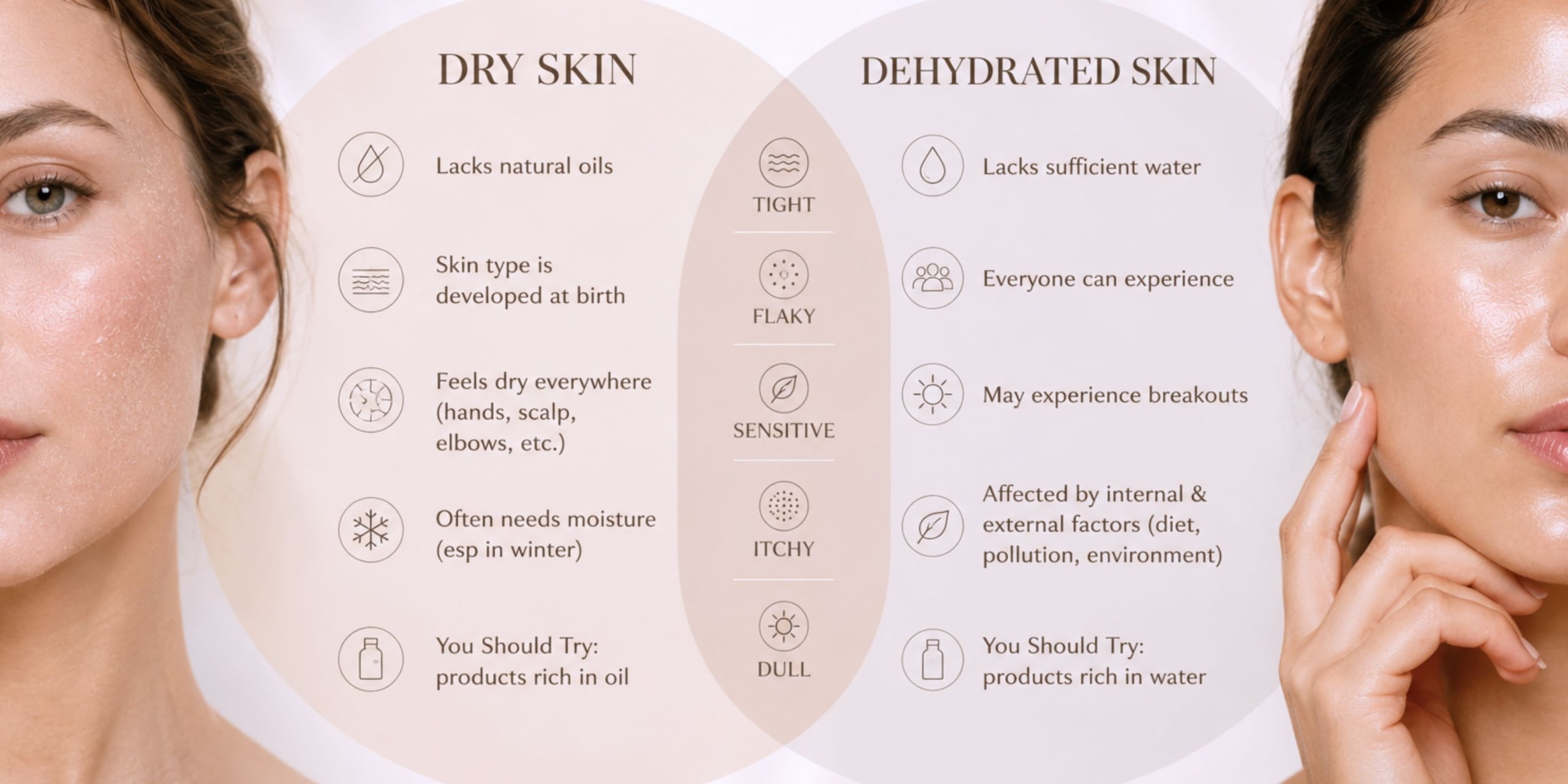
Dry skin is a skin type characterised by insufficient lipid production. Ceramides, cholesterol and fatty acids are essential components of the skin barrier, and when these are deficient, the skin struggles to retain moisture. Common signs include:
- Rough texture
- Flaking
- Persistent tightness
- Increased sensitivity
- Reduced oil production
What Is Dehydrated Skin?
Dehydrated skin is a condition caused by a lack of water rather than oil. Unlike dry skin, dehydration can affect all skin types – including oily and acne-prone skin. Patients often describe their skin as oily yet tight, congested yet dull. Signs of dehydrated skin include:
- Tightness after cleansing
- Fine dehydration lines
- Dullness
- Increased sensitivity
- Congestion despite excess oil production
Why Many Patients Have Both
In clinical practice, many patients experience both dry and dehydrated skin simultaneously. Dry skin treatment focuses on restoring lipids and supporting the skin barrier, while dehydrated skin treatment focuses on improving water retention and reducing moisture loss. Because many patients have both, treatment often needs to address lipid deficiency and hydration deficiency simultaneously.
For the purpose of this blog, however, we are going to focus on the causes of and best treatments for dry skin…
What Causes Dry Skin?
Dry skin develops when the skin cannot maintain sufficient moisture and lipids within the skin barrier. The causes are often multifactorial. Let’s take a look at the most common causes of dry skin.
Environmental Factors
Wind exposure, low humidity, air conditioning, indoor heating and excessive sun exposure can all increase moisture loss and compromise the skin barrier.
Ageing and Reduced Oil Production
As we age, sebaceous gland activity decreases, resulting in reduced oil production. Levels of ceramides, cholesterol and fatty acids also decline, weakening the skin barrier and increasing water loss.
Sun Damage
Ultraviolet radiation damages collagen, disrupts the skin’s architecture and impairs its ability to retain moisture effectively. Persistent dryness is often one of the earliest signs of photoageing.
Harsh Skincare Products
Strong cleansers, alcohol-based toners and aggressive exfoliating products can strip the skin of essential lipids and compromise barrier function.
Over-Exfoliation
While controlled exfoliation can be beneficial, excessive exfoliation damages the protective outer layer of the skin, increasing TEWL and leading to redness, irritation and persistent dryness.
Medical Conditions
Certain medical conditions may contribute to chronic dry skin, including:
- Eczema (atopic dermatitis)
- Psoriasis
- Rosacea
- Contact dermatitis
- Thyroid disorders
- Diabetes
- Certain medications
Seasonal and Lifestyle Factors
Lower humidity during winter, poor sleep, smoking, chronic stress, excessive alcohol intake and nutritional deficiencies may all negatively affect skin function and contribute to dryness.
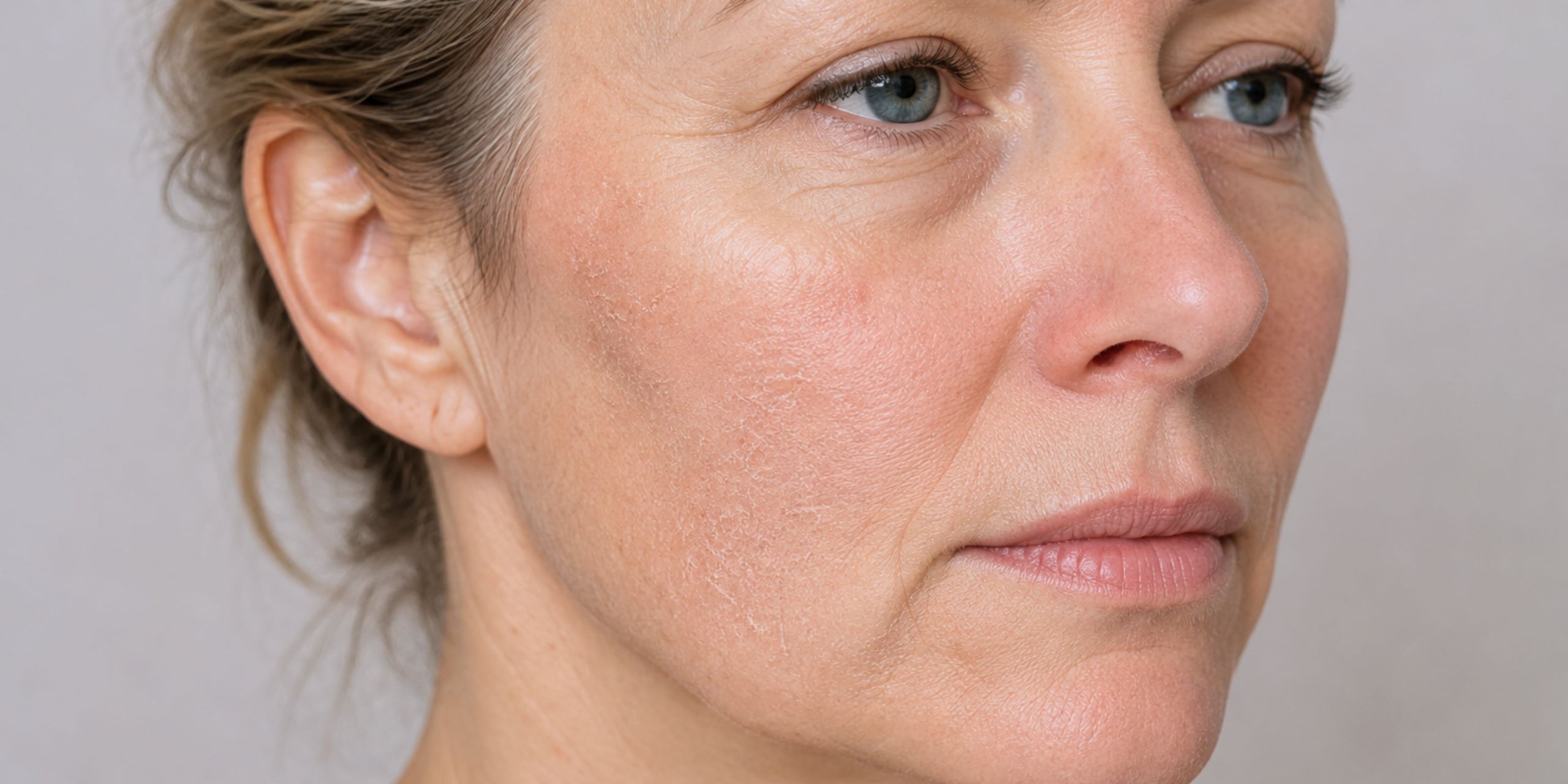
Can Dry Skin Be Treated Permanently?
This is one of the most common questions patients ask, and the answer depends on the underlying cause.
If dry skin is genetically determined or related to ageing, it cannot always be cured permanently. However, it can often be managed extremely effectively with the right treatment strategy.
While genetics cannot be changed, many contributing factors – including barrier damage, UV exposure, environmental stressors and inappropriate skincare – can be addressed successfully. Research has shown that targeted skincare, professional treatments and lifestyle changes can significantly improve:
- Hydration levels
- Skin comfort
- Texture
- Sensitivity
- Radiance
- Overall skin quality
Maintaining skin barrier health is central to long-term improvement. Without a healthy barrier, moisture escapes more rapidly and irritation becomes more likely. For patients with persistent dryness, professional assessment is often essential to identify contributing factors and develop an effective long-term treatment plan.
Why Identifying the Root Cause of Dry Skin Matters
There is no single best treatment for dry skin because not all dry skin is caused by the same underlying problem.
For example, a patient experiencing dryness due to barrier dysfunction requires a different treatment approach from someone whose dryness is primarily related to ageing or environmental factors.
That is why successful treatment always begins with a personalised skin consultation and a bespoke treatment plan.
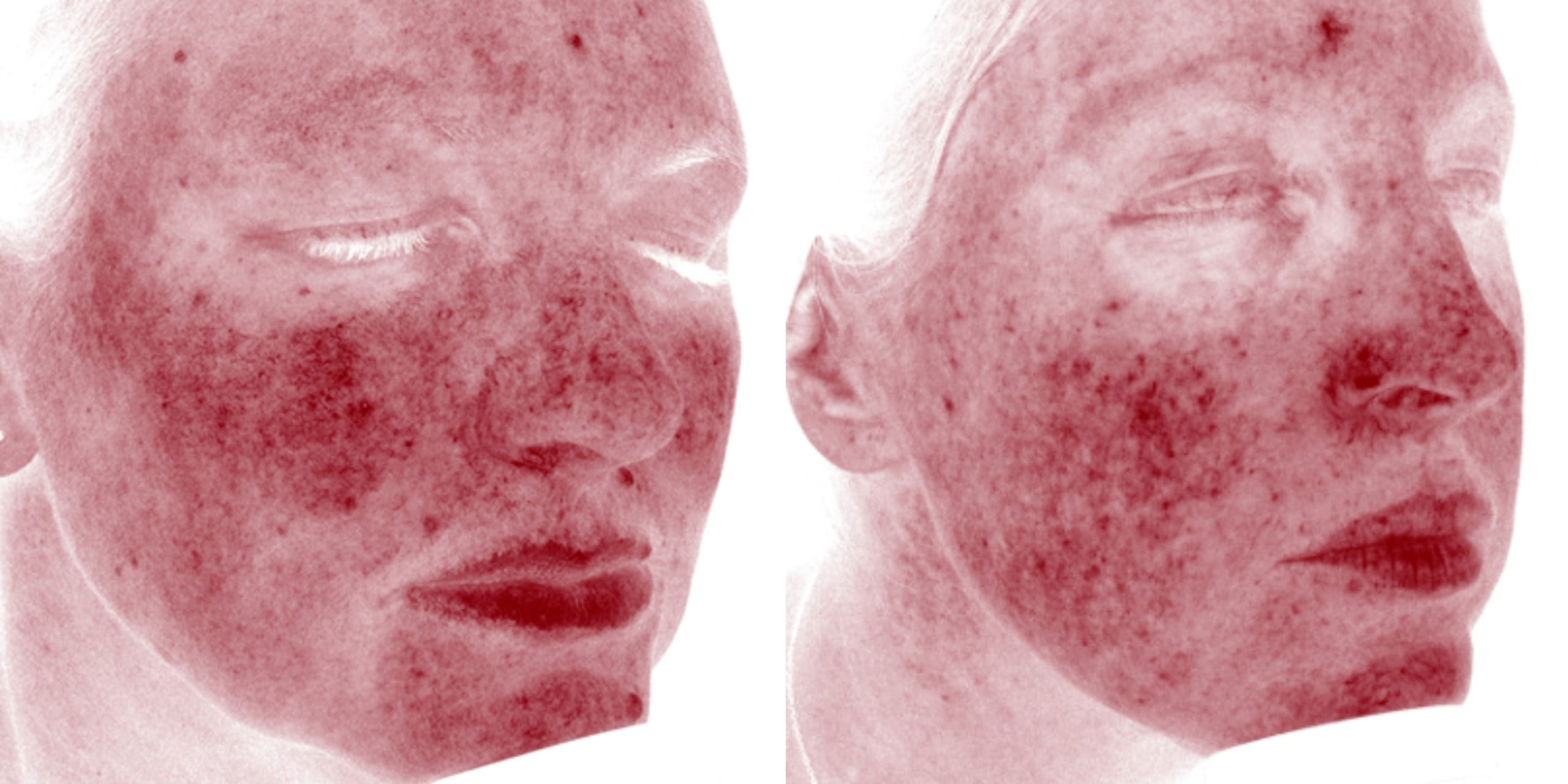
Images taken with the VISIA skin analysis device (showing dry, sensitive skin)
The Best Skincare Ingredients for Dry Skin
Medical-grade skincare forms the foundation of virtually every successful dry skin treatment plan. Unlike many cosmetic skincare products, medical-grade formulations are developed using ingredients supported by scientific evidence and designed to improve skin function over time. Let’s look at some of the best skincare ingredients available for the treatment of dry skin.
Ceramides: The Cornerstone of Barrier Repair
Ceramides are naturally occurring lipids that form a major component of the skin barrier. They help reduce transepidermal water loss, improve hydration and strengthen barrier function, making them one of the most important ingredients for chronically dry skin.
Hyaluronic Acid: A Powerful Humectant
Hyaluronic acid attracts and retains water within the skin, improving hydration and reducing the appearance of dehydration-related fine lines.
Glycerin: One of the Most Effective Hydrators Available
Glycerin remains one of the most scientifically validated moisturising ingredients available. It attracts water into the skin and helps maintain hydration over time.
Peptides and Barrier-Repair Ingredients
Peptides help support skin repair and resilience, while ingredients such as niacinamide, cholesterol, panthenol and essential fatty acids strengthen the skin barrier and reduce inflammation.
PRO SKINCARE TIP: If you have dry skin, it is best to avoiding harsh cleansers… One of the simplest yet most impactful changes patients can make is switching to a gentle, pH-balanced cleanser. Aggressive cleansers may strip away essential lipids and disrupt the delicate balance required for healthy barrier function.
Professional Treatments For Dry Skin
While medical-grade skincare forms the foundation of treating dry skin, professional treatments can help restore barrier function, improve skin resilience, and support long-term skin health.
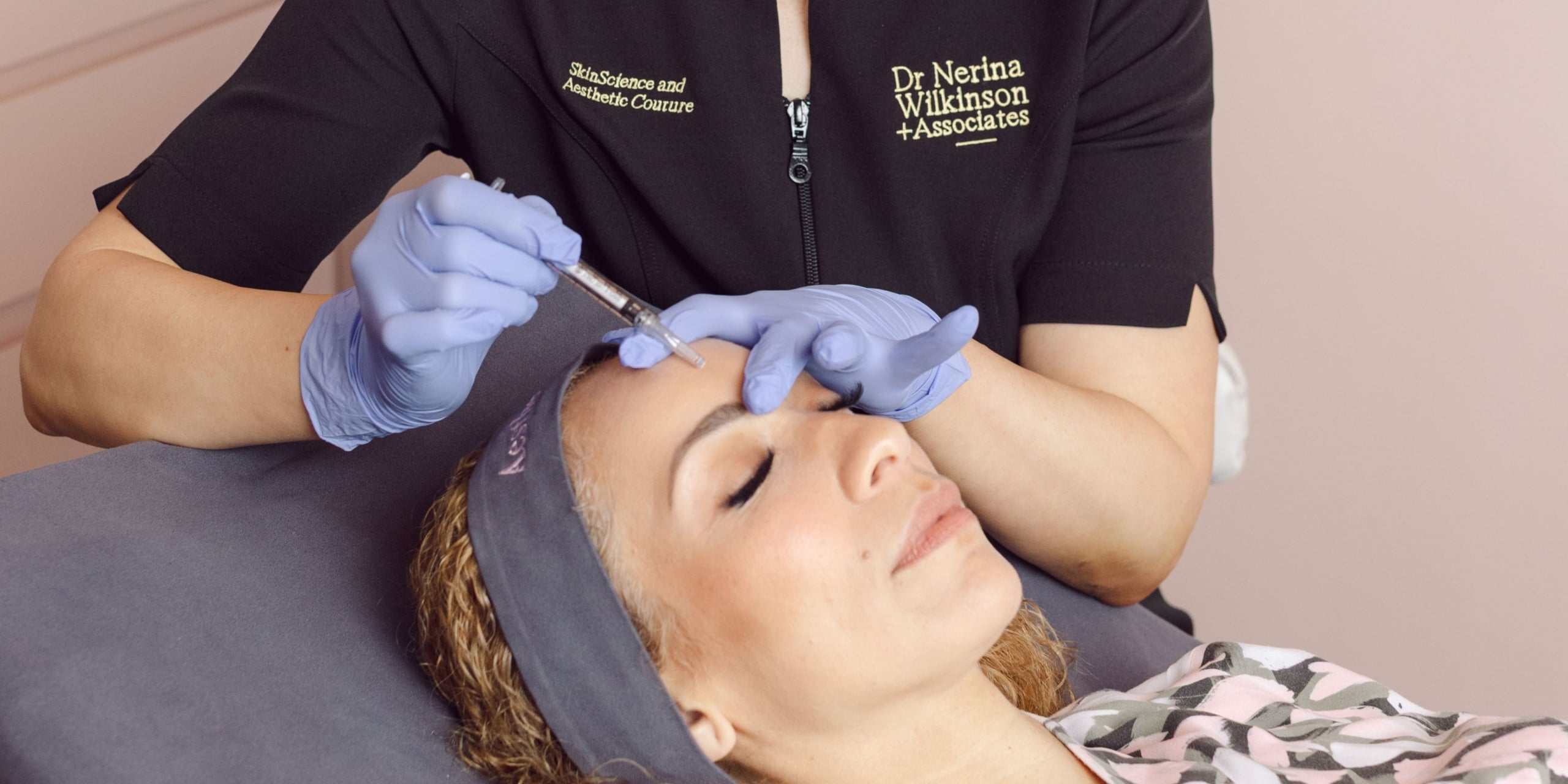
Professional facial treatments deliver intensive nourishing ingredients while calming irritation and reducing flaking. Mesotherapy and skin boosters use active ingredients such as hyaluronic acid to improve skin quality from within, helping chronically dry skin feel softer, smoother, and more supple. Medical skin needling with specialised active ingredients stimulates collagen production, strengthening the skin’s structure so it is better able to maintain moisture and resist environmental stressors. Regenerative treatments such as PRP, PRF and exosomes support the skin’s natural repair processes, encouraging healthier cellular function and improved skin quality over time.
Because dry skin can have different underlying causes, the most effective results are achieved with a personalised treatment plan tailored to your skin’s unique needs.
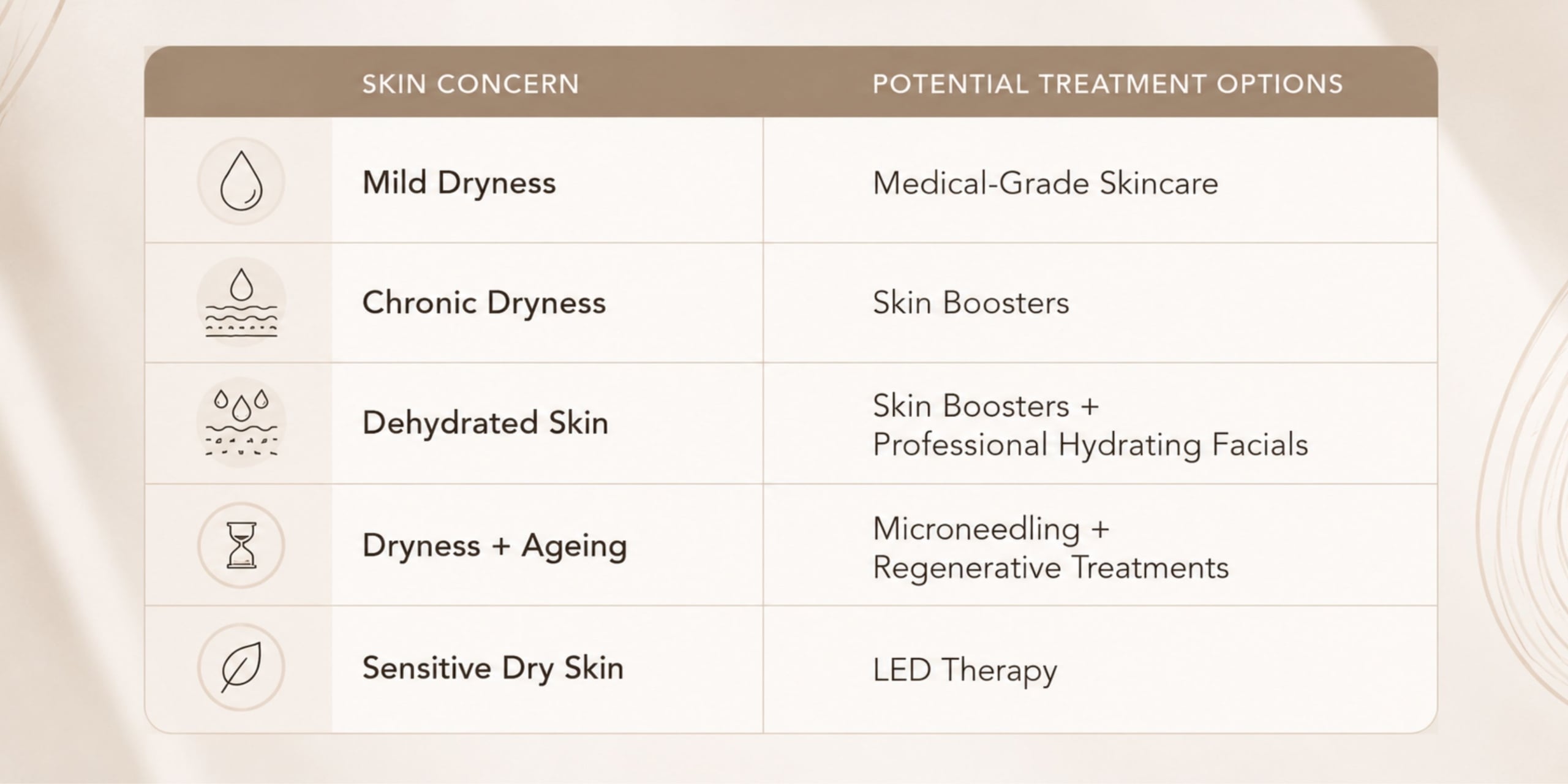
Which Dry Skin Treatment Is Right for You?
The most appropriate dry skin treatment depends entirely on the underlying cause of your dryness, and the best results are usually achieved through a personalised combination approach rather than relying on a single treatment. However, here is a quick look into potential professional treatment options for certain dry skin concerns
Daily Habits That Can Make Dry Skin Worse
Daily habits can have a significant impact on skin hydration and barrier function. Common contributors to dryness include:
- Over-cleansing
- Hot showers
- Skipping SPF
- Excessive sun exposure
- Air conditioning and indoor heating
- Inadequate hydration
- Using unsuitable skincare products
- Excessive exfoliation
Identifying and correcting these habits is often an essential part of learning how to treat dry skin effectively.
When Should You See a Skin Specialist for Dry Skin?
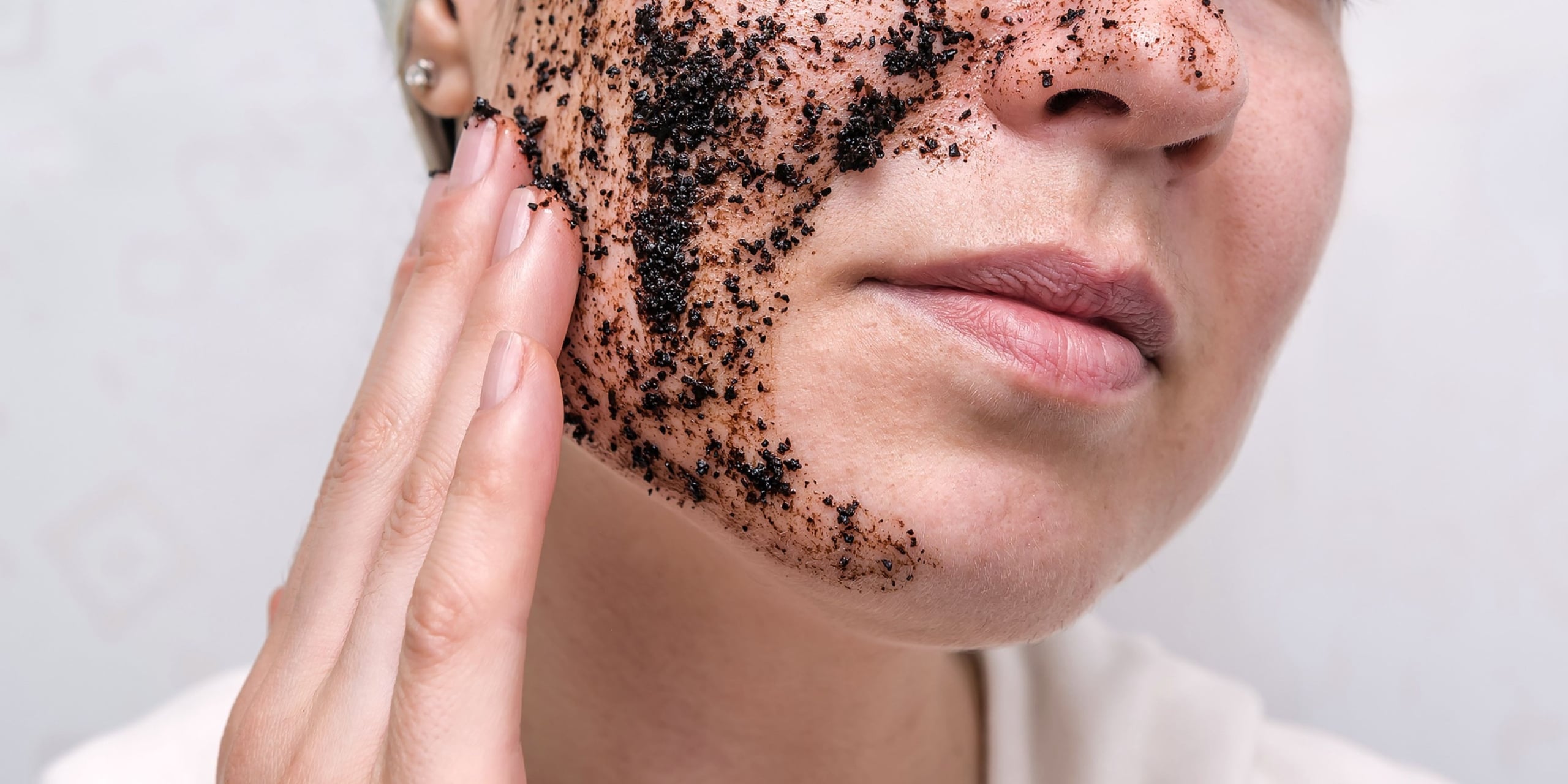
Professional assessment is recommended when dryness becomes persistent, uncomfortable or resistant to homecare. You should consider consulting a skin specialist if you experience:
- Persistent dryness
- Cracked skin
- Increasing skin sensitivity
- Ongoing irritation
- Recurrent inflammation
- Lack of improvement despite appropriate skincare
A professional diagnosis can help identify underlying causes, rule out medical conditions and ensure that treatment is targeted appropriately.
Frequently Asked Questions About Dry Skin
What is the best treatment for dry skin on the face?
The best treatment for dry skin on the face depends on the underlying cause. Most patients benefit from a combination of barrier-repair skincare, hydration-focused ingredients and professional treatments where appropriate.
Can skin boosters help dry skin?
Yes. Skin boosters improve hydration by increasing water retention within the dermis and may also improve elasticity and overall skin quality.
Why is my skin still dry after moisturising?
Moisturiser alone may not address barrier dysfunction, dehydration, inflammation, ageing-related changes or underlying medical conditions.
Is dry skin a sign of ageing?
Dryness becomes more common with age because natural oil production, ceramide levels and barrier function decline over time. However, dry skin can occur at any age and is often influenced by environmental and lifestyle factors.
What’s the difference between dry and dehydrated skin?
Dry skin lacks oil, while dehydrated skin lacks water. Many patients experience both simultaneously.
How long does it take to improve dry skin?
Many patients notice improvements within a few weeks, although meaningful barrier repair and long-term improvements in skin health often require several months of consistent treatment and appropriate skincare.
A Personalised Approach Delivers the Best Results
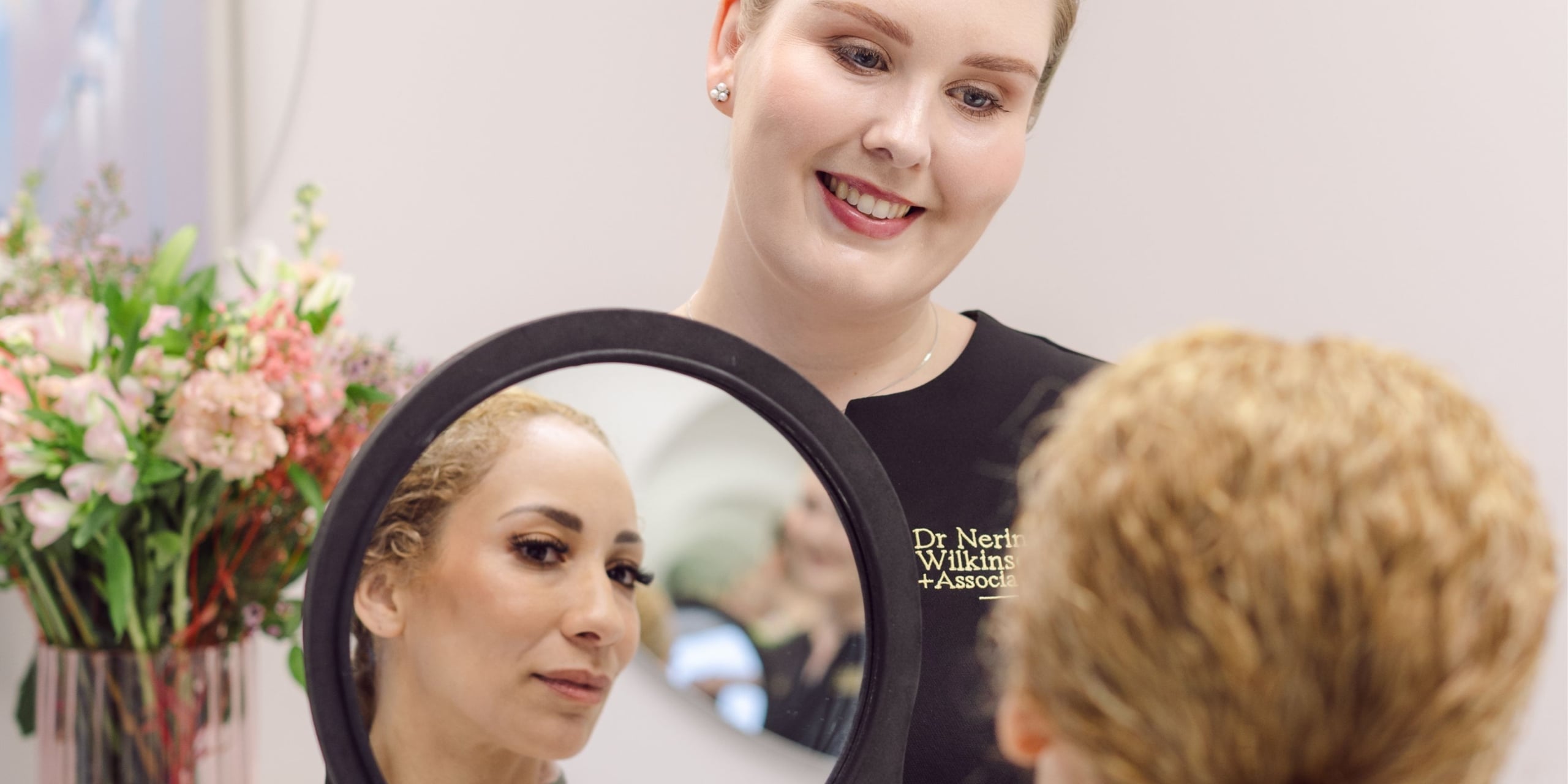
If you are struggling with dry, dehydrated, sensitive or ageing skin, our experienced team can help. We begin with a VISIA Skin Analysis to determine the root cause of your skin concerns and create a bespoke treatment plan tailored to your individual needs.
Take the first step towards healthier, stronger and more hydrated skin and book your VISIA skin analysis consultation with our team of skin experts today.