Ageing is inevitable — but how we age is up to us. In modern aesthetic medicine, there is a growing focus on prejuvenation, a preventive approach that aims to slow the ageing process before visible changes become noticeable.
Rather than waiting for deep lines, skin laxity, or volume loss to appear, prejuvenation treatments focus on maintaining healthy skin, balanced facial movement, and strong structural support from an early stage. The result is a fresher, more resilient appearance over time — without altering your natural features.
This shift toward early anti-ageing treatments reflects a deeper understanding of how ageing really works, and why prevention is often better than cure. So, in this blog, we’ll be uncovering what prejuvenation treatments actually do and which early intervention anti-ageing treatments actually work.

What Is Prejuvenation?
Prejuvenation is a proactive, preventive approach to skincare and aesthetics, aimed at delaying the onset of visible ageing — such as fine lines, wrinkles, and sagging — by starting treatments in one’s 20s or early 30s.
In simple terms, prejuvenation means:
- Supporting collagen and elastin before they decline significantly
- Managing repetitive muscle movement before lines become fixed
- Preserving facial structure, skin thickness, and elasticity
- Maintaining natural proportions rather than restoring lost volume later
Importantly, prejuvenation focuses on preserving skin health and stimulating collagen early, rather than correcting deep-set wrinkles later.
Ageing Starts Earlier Than You Think
Many people associate ageing with their 40s or 50s, but the biological processes that drive facial ageing begin much earlier — often in your mid-20s. Let’s explain.
Collagen Loss Begins in Your Mid-20s
From around the age of 25, collagen production starts to decline gradually each year. Collagen is essential for skin firmness, elasticity, and thickness. As collagen levels decrease:
- Skin becomes thinner
- Fine lines appear more easily
- Recovery from environmental damage slows
Although these changes are subtle at first, they accumulate quite quickly over time.
Bone Resorption and Fat Pad Shifts
Ageing is not just a skin-deep process. The face is supported by bone and fat, both of which change as we age.
- Facial bones slowly resorb, reducing structural support
- Fat pads shift downward and inward, altering facial contours
These changes contribute to hollowing, heaviness, and loss of definition over time.
Repetitive Muscle Movement and Skin Thinning
Everyday facial expressions — smiling, frowning, squinting — are essential, but repeated muscle movement can lead to dynamic lines. As skin becomes thinner and collagen decreases, these lines can become permanent.
Prejuvenation treatments are designed to interrupt these processes early, helping to preserve skin quality and facial balance long before advanced ageing becomes visible.
Prejuvenation vs Anti-Ageing: What’s the Difference?
Although the terms are often used interchangeably, prejuvenation and traditional anti-ageing represent two very different approaches.
Prejuvenation focuses on preventing ageing changes before they are established, while anti-ageing focuses on correcting visible signs that have already developed — reducing the need for more aggressive treatments later in life. By preserving collagen, skin strength, and muscle balance early, the face tends to age more evenly and naturally. Tissue quality remains stronger, which improves both appearance and treatment outcomes in the long run.
In essence, prejuvenation is about maintaining what you have, rather than trying to restore what has been lost.
The Best Prejuvenation Treatments
Collagen-Stimulating Treatments
Collagen stimulation is a cornerstone of preventing ageing early. Our most successful prejuvenation treatments include:
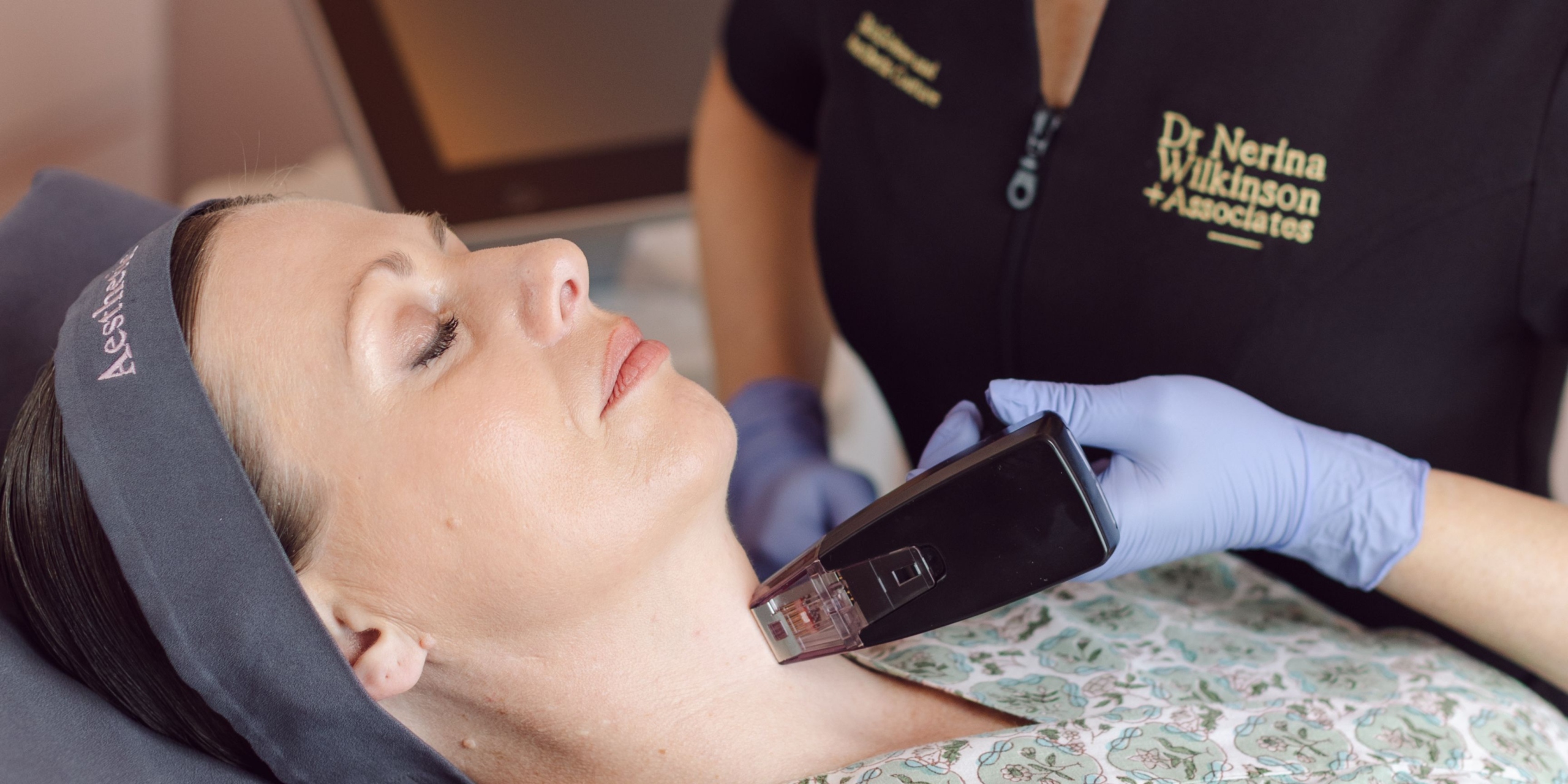
- RF microneedling (Morpheus8), which combines controlled micro-injury with radiofrequency energy to stimulate deep collagen remodelling before structural ageing appears.
- PRP (platelet-rich plasma) and PRF (platelet-rich fibrin) facials (such as the signature 3D MD PRP), which use your body’s own growth factors to activate the skin’s innate regenerative intelligence — strengthening structure, elasticity and cellular vitality at the source.
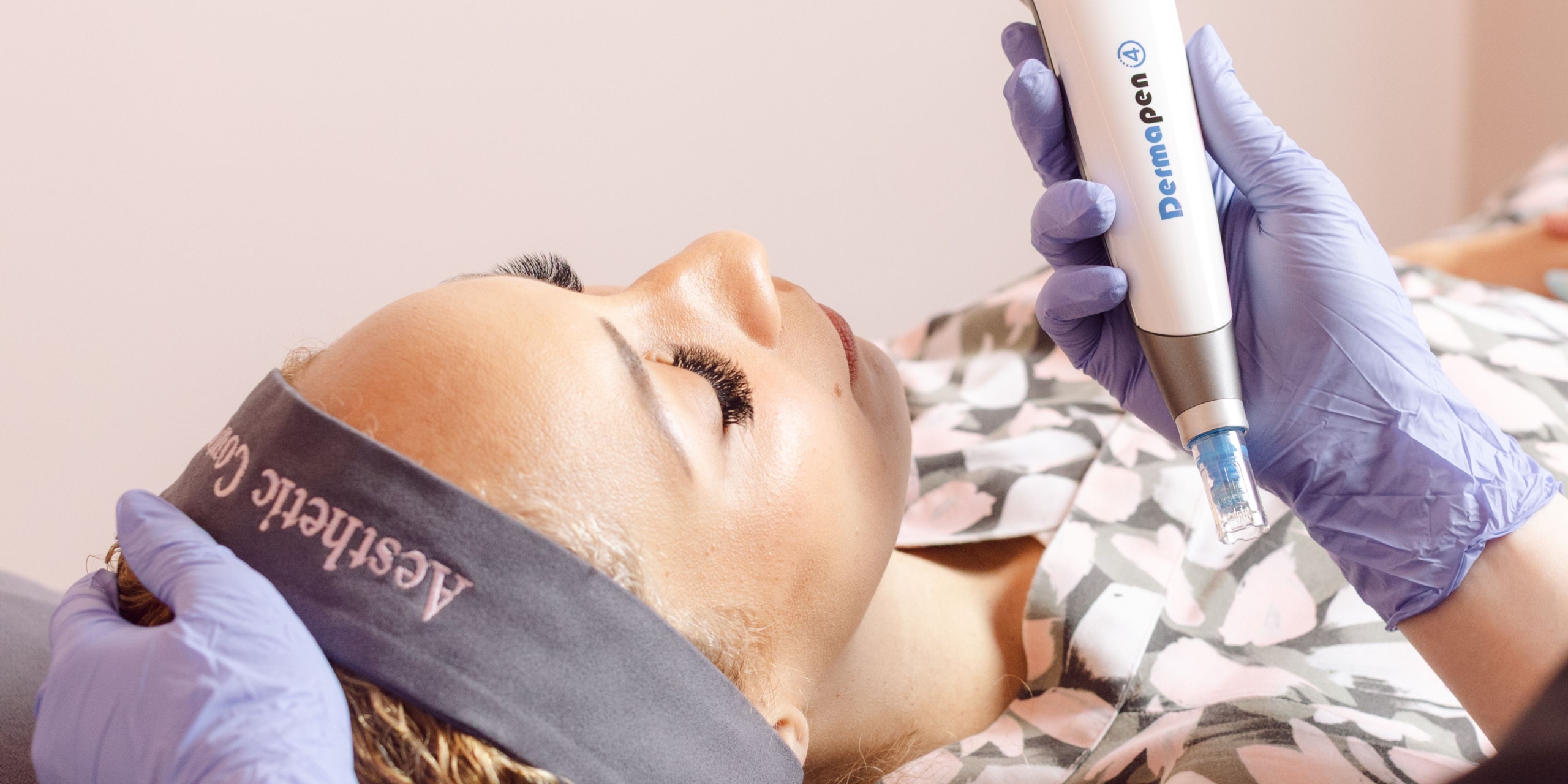
- 3D Medical Skin Needling, which works by triggering controlled micro-repair, awakening collagen, elastin and cellular regeneration while the skin is still youthful.
- Cosmetic Mesotherapy, which supports prejuvenation by infusing the skin with regenerative actives that optimise cell function, collagen signalling and long-term skin vitality.
These treatments (to name just a few) work beneath the surface, stimulating the regeneration of collagen and elastin over time. The treatments also help protect against cell senescence (cell death), and replicate new healthy cells, which, over time, assist in delaying the ageing process.
Injectables for Prevention (Not Overcorrection)
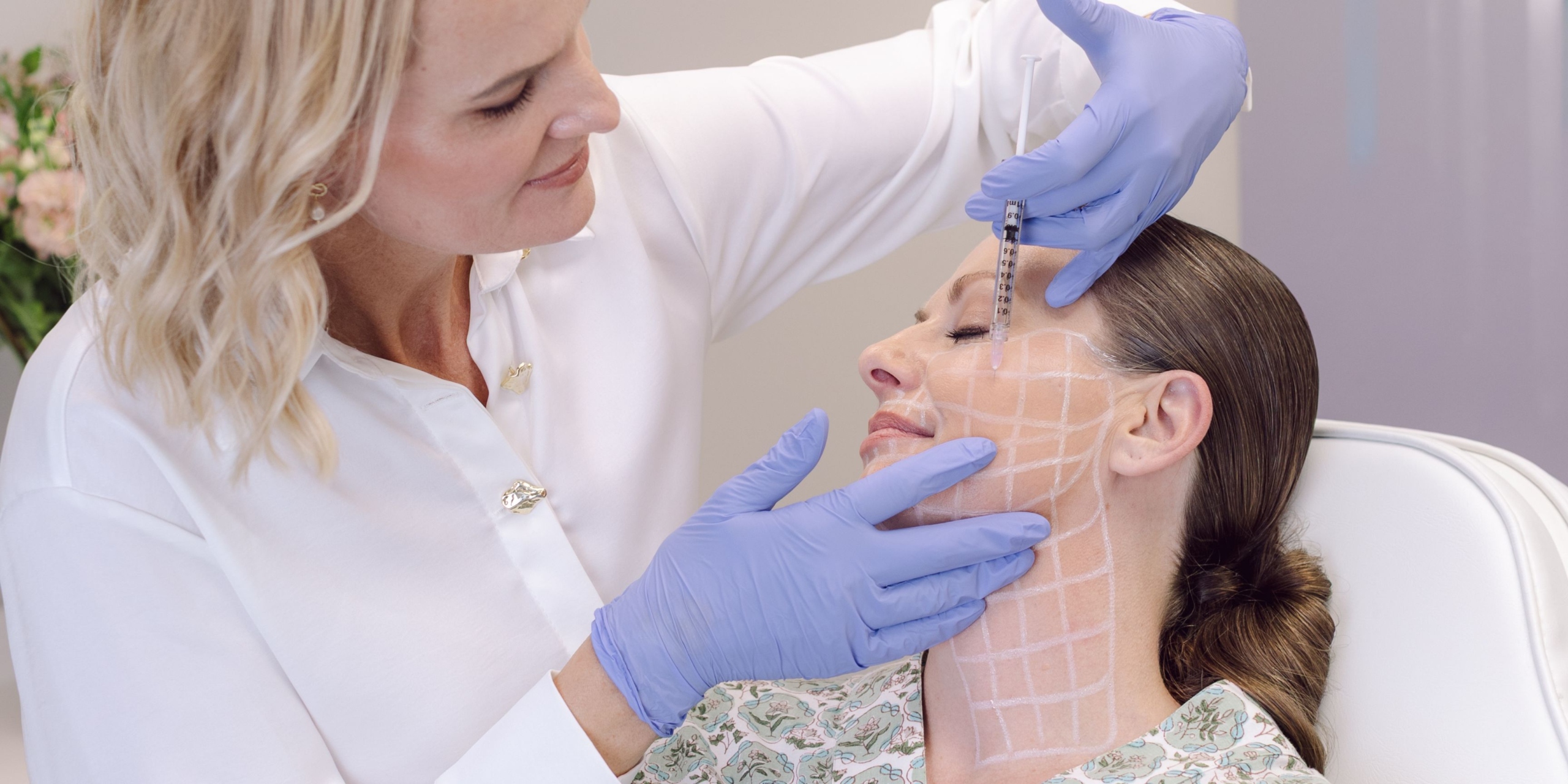
When used correctly, aesthetic injectables (particularly Botulinum Toxin and regenerative skin boosters) can play an important role in prejuvenation. A combination of these cosmetic injectables (in low doses) can:
- Preserve youthful movement while preventing lines from becoming etched
- Maintain natural expression and facial harmony
- Deeply hydrate and restore skin quality at a cellular level
- Stimulate collagen and elastin production over time
- Strengthen the skin barrier and improve resilience
- Support long-term skin health and radiance — not short-term fixes
The emphasis is on precision and restraint. Expert-led prejuvenation treatments aim to soften movement and prevent deeper lines from forming while still preserving facial expression — never freezing or overcorrecting.
Skincare Products as the Foundation
- Supporting collagen production
- Strengthening the skin barrier
- Reducing inflammation and oxidative stress
- Enhancing and maintaining in-clinic results
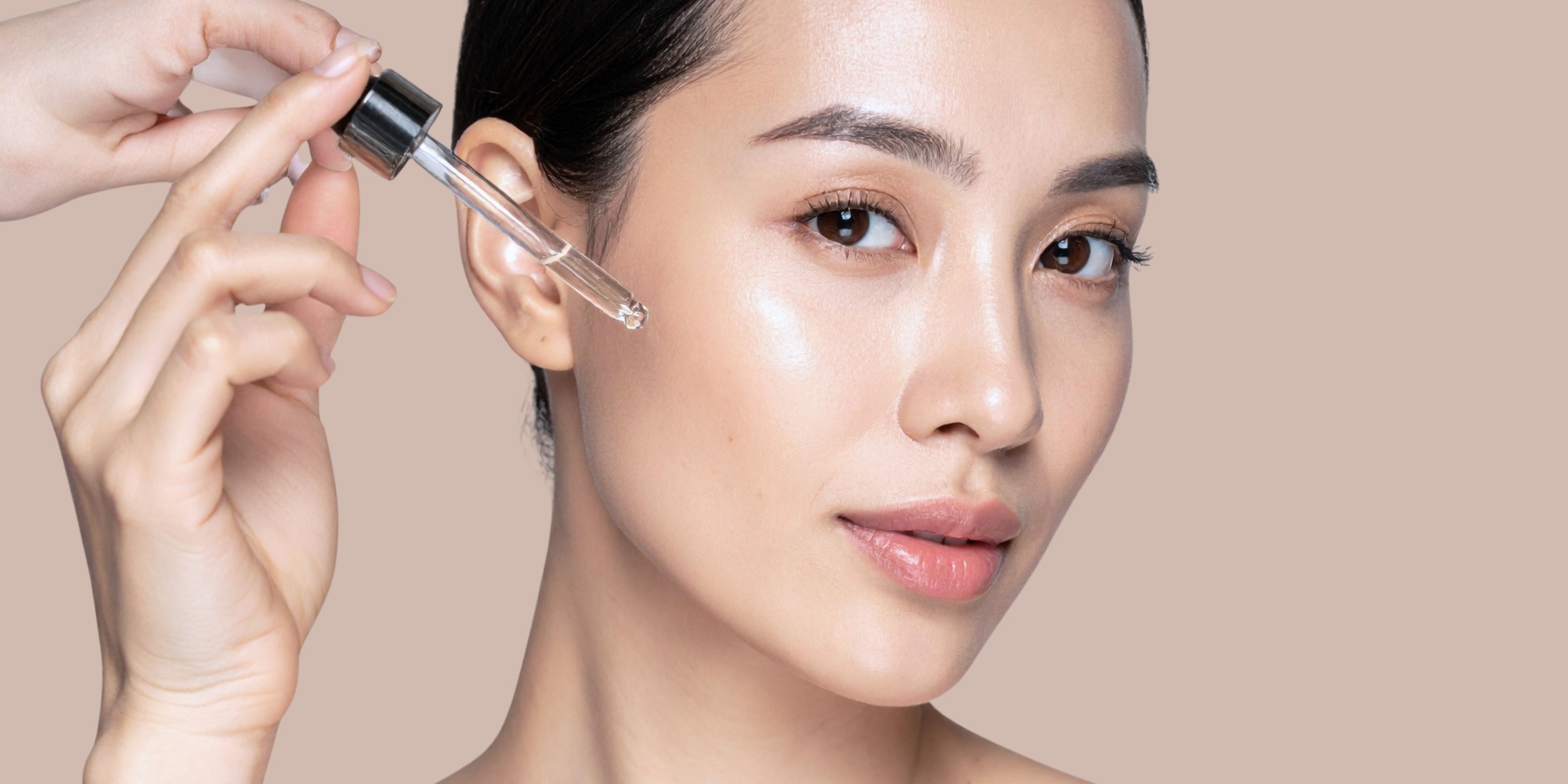
Ingredients such as retinoids, antioxidants, peptides and daily SPF form the foundation of intelligent prejuvenation. Think of your skincare as daily training for your skin — conditioning it to defend against damage, accelerate repair, and strengthen itself long before ageing becomes visible.
When Should You Start Prejuvenation?
Most patients begin considering prejuvenation in their late 20s to early 30s, but there is no universal “right age.” Some people may benefit earlier due to:
- Genetic predisposition to early ageing
- High sun exposure
- Strong or repetitive facial muscle movement
- High-stress or high-performance lifestyles
Others may not need intervention until later. The most important factor is individual assessment, not age-based rules. A “Bespoke” customised skincare plan ensures that treatments are appropriate, subtle, and aligned with the long-term health of your skin.
Your First Step to Prejuvenation
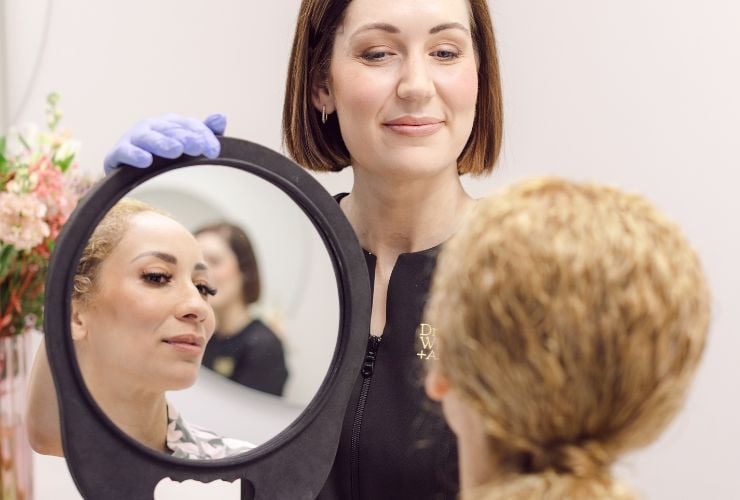
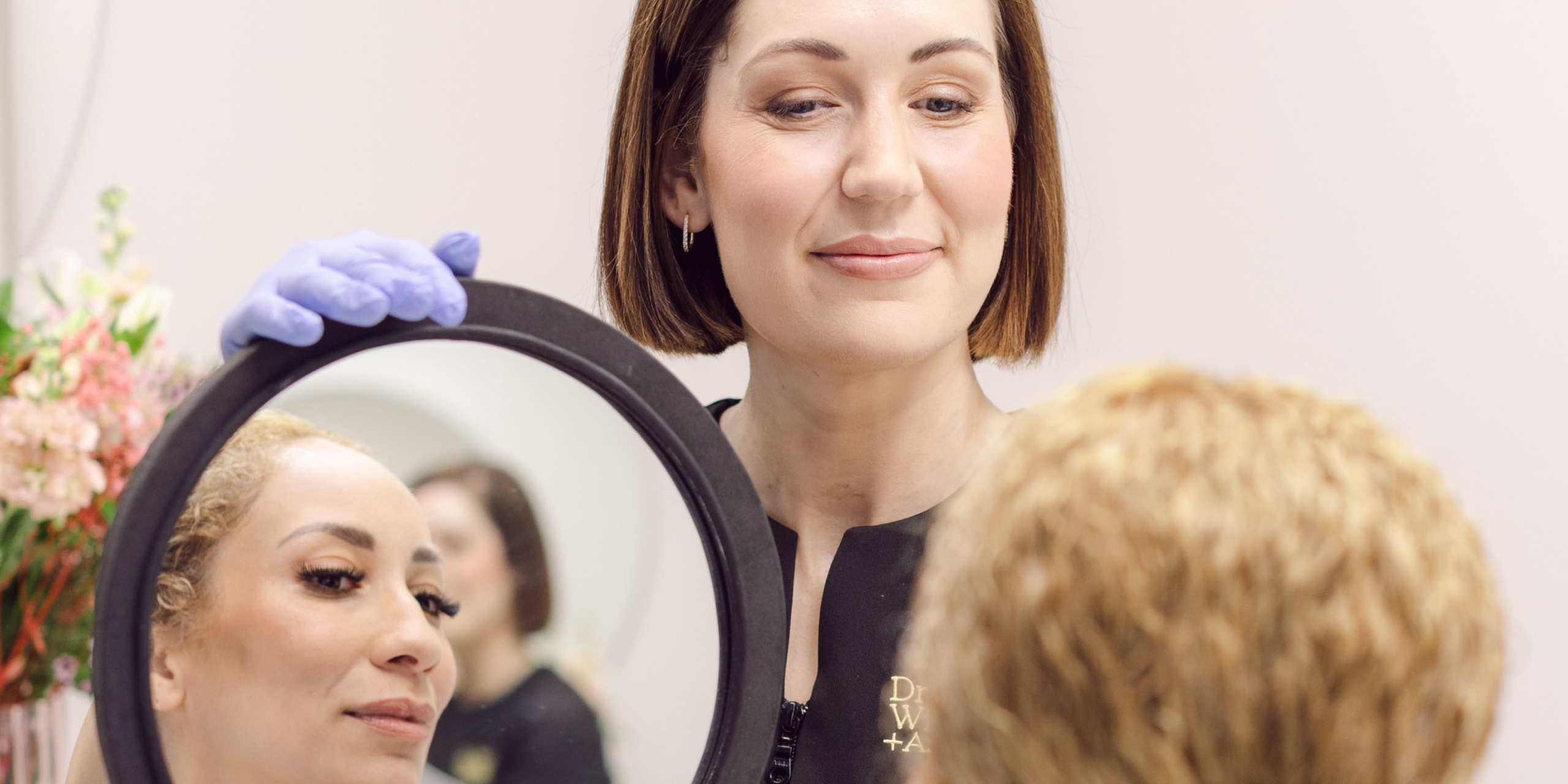
Prejuvenation is an investment in your future face. When approached correctly, it allows you to age gradually, naturally, and confidently — without drastic intervention. And to do it right, you need to start with a personalised consultation where your individual goals and needs can be assessed. At Dr Nerina Wilkinson + Associates Skin Science Clinic, our consultations are designed to:
- Assess your medical history, skin, structure, and facial movement
- Understand your individual ageing pattern
- Identify future risk zones before they become visible concerns
- Discuss treatments based on timing, biology and longevity
- Align your aesthetic journey with your lifestyle, budget and long-term goals
- Establish a long-term skin and facial health roadmap, not a once-off solution
If you are considering prejuvenation treatments or want to explore early anti-ageing treatments in a safe, expert-led environment, email us at skinclinic@drnwilkinson.co.za and start your personalised journey to bespoke prejuvenation today.
By Skincare Specialist, Claire Roux