
At Dr Nerina Wilkinson + Associates, we believe honesty is the highest form of care. Beautiful skin is not built on hope, hype, or miracle promises – it’s built on science, consistency, and a clear understanding of how your skin actually functions.
Every day we meet intelligent, curious patients who want the best for their skin… yet are held back by persistent myths circulating on social media and in beauty culture. The truth is this: your skin has biological limits, and when you understand them, you can finally invest in treatments that deliver real, measurable, long-term results.
In this blog, we’re sharing the hard skin truths you need to hear – not to discourage you, but to empower you. Because when your expectations match physiology, that’s when the magic (and the science) finally works.

No Skincare Routine Can Lift Sagging Skin
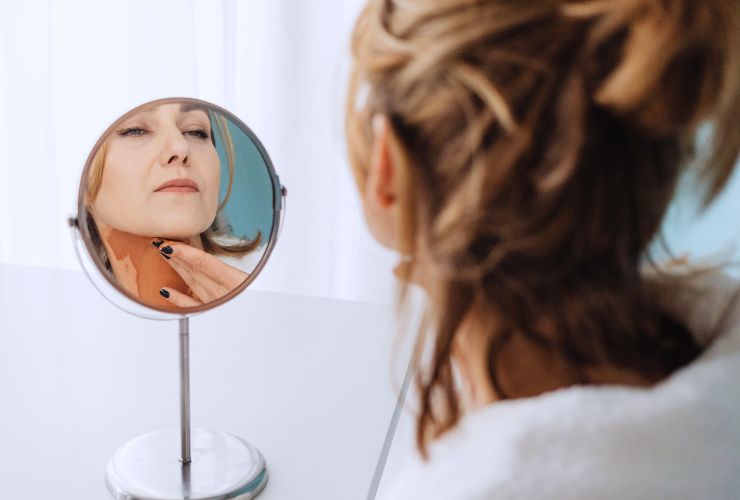
It’s tempting to believe that the right cream will “tighten” sagging eyelids or erase jowls. But skin sagging is not a surface problem – it’s a structural one. As we age, the deeper architecture of the face changes:
-
Bone recedes, especially in the temples, midface, and jawline.
-
Fat pads descend, affecting contour and fullness.
-
Retaining ligaments become lax, allowing tissues to droop.
-
Collagen and elastin decline, leading to the loss of skin firmness and elasticity.
No topical product can reach, rebuild, or reposition these deeper layers. This is why “lifting the skin” requires foundational treatment, not surface solutions. These will include more advanced approaches such as:
- Skin tightening technologies (such as Morpheus8) to help the skin re-drape more youthfully.
- Foundational dermal filler volumisation to restore the scaffolding that ageing takes away.
- Surgical facelifts which become essential when deeper structures have moved beyond what non-surgical methods can correct.
Truth: If the structure has dropped, the solution must be structural – and with the right plan, a natural-looking lift is entirely achievable.

Melasma Cannot Be Cured – Only Managed
If you’ve been battling melasma, you know how emotionally draining it can be. It darkens despite your best efforts, returns after holidays, and reacts to the slightest hormonal shifts. That’s because melasma is not “just pigmentation.” It’s a chronic, multi-layered condition involving:
-
Hormones
-
Vascular components
-
Heat sensitivity
-
UV and visible light exposure
-
Genetic predisposition
In melasma, pigment cells become hyperresponsive – meaning once triggered, they remain sensitive for life. This is why it cannot be permanently removed. But here’s the hopeful part: with the right plan, melasma can be kept beautifully controlled, often to the point where it’s barely visible.
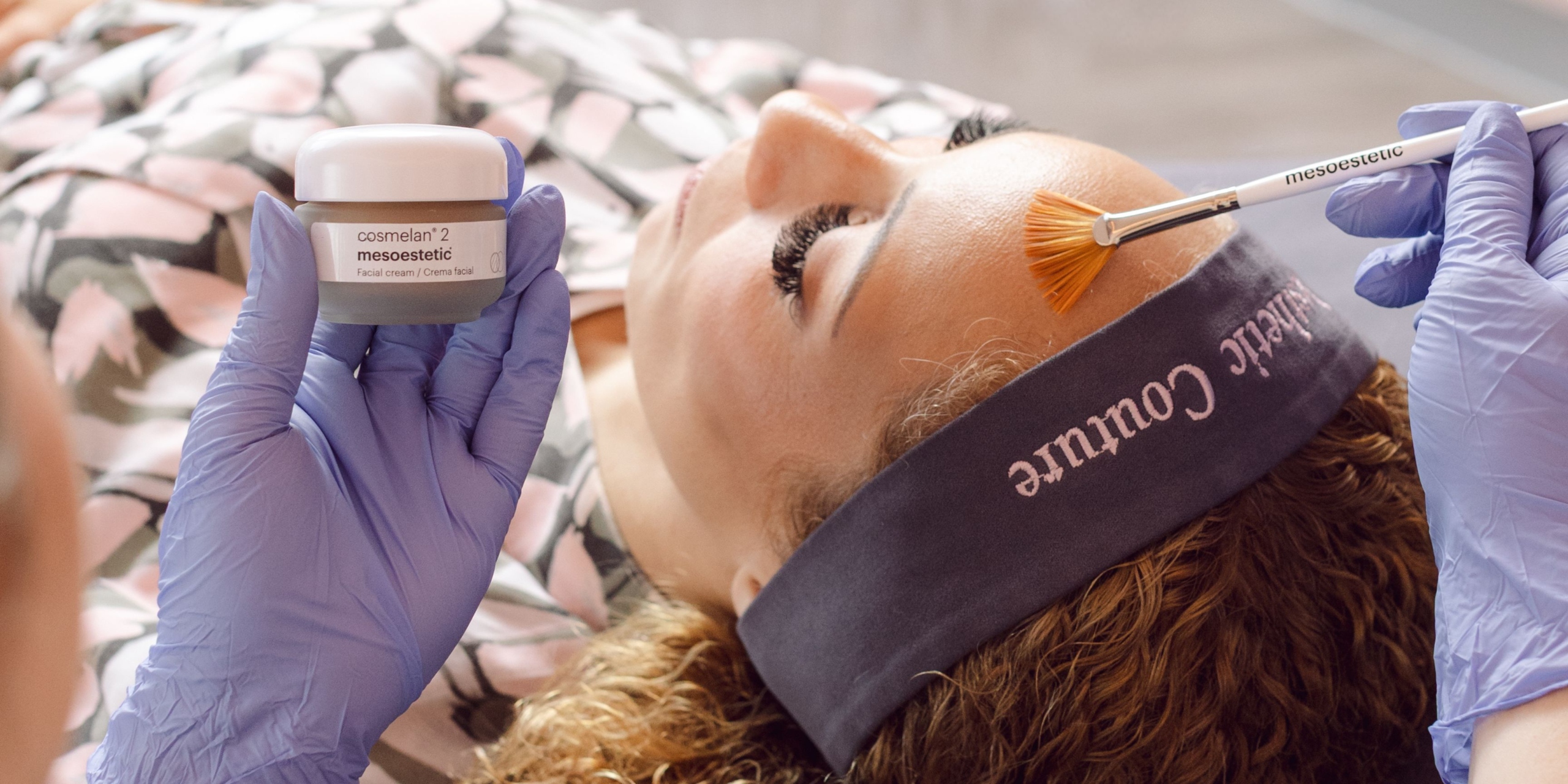
At our practice, we use carefully selected depigmentation peels (such as Cosmelan and MeLine), and ensure our patients are using the ideal homecare products (such as prescription-strength brightening ingredients and optimal sun-protection) to help support the results achieved in-clinic. In some cases, we also use controlled ClearLift laser therapy – but each patient is different, and therefore only a personalised consultation will ensure we can create the ideal treatment plan.
Truth: Melasma is a long-term relationship, not a quick fix – but with consistency, it can be managed beautifully.
Dark Under-Eye Circles Are Not Just “One Thing”
The delicate under-eye area often reflects more than tiredness. “Dark circles” might be the result of a variety of factors, including:
-
Hollowing from volume loss
-
Blue or purple tones from visible blood vessels
-
Pigmentation in the skin itself (often genetic)
-
Thin, fragile skin allows underlying structures to become more visible
This is why one treatment approach rarely works – and why undereye filler alone may not solve the problem.
At Dr Nerina Wilkinson + Associates, we diagnose the exact contributors before recommending only the most suitable treatments, which can include:
-
Tear trough filler for structural hollowing
-
Laser therapies (such as Lumecca IPL) for treating vascularity
-
Chemical peels to brighten hyperpigmentation
-
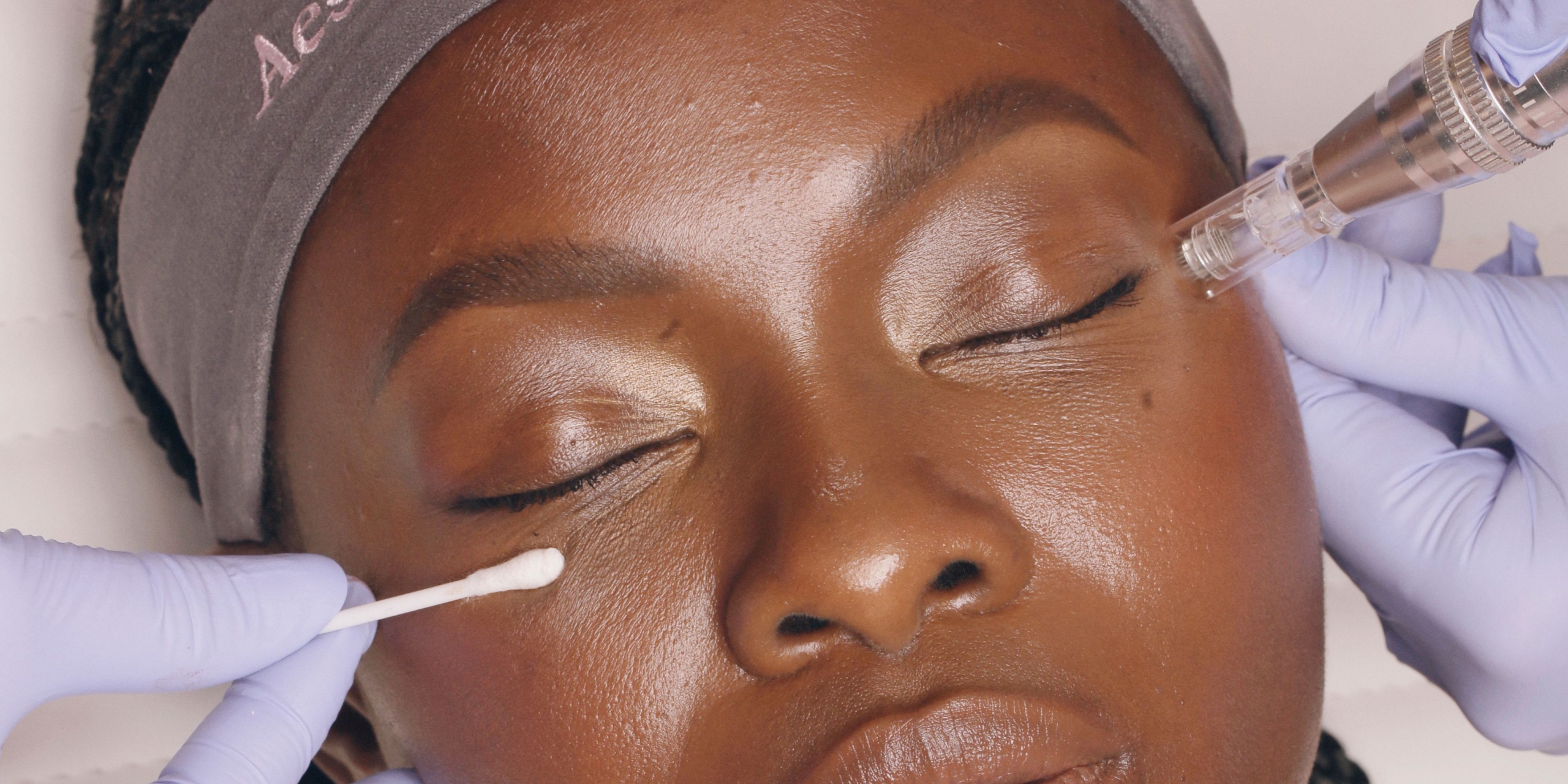
Medical skin needling treatments to thicken thinning skin
Truth: There is no “one-size-fits-all” solution for dark undereye circles – but there is always a tailored one.
You Can Never Get Rid Of Pores
Pores have a very specific biological function: they allow sebum to reach the surface, where it protects the skin. Yes – we need pores, but it’s their size that most are concerned about. Pore size is influenced by genetics, hormones, and the strength of surrounding collagen.
They do not “open” or “close,” and they cannot be erased, but we can most certainly refine their appearance through:
-
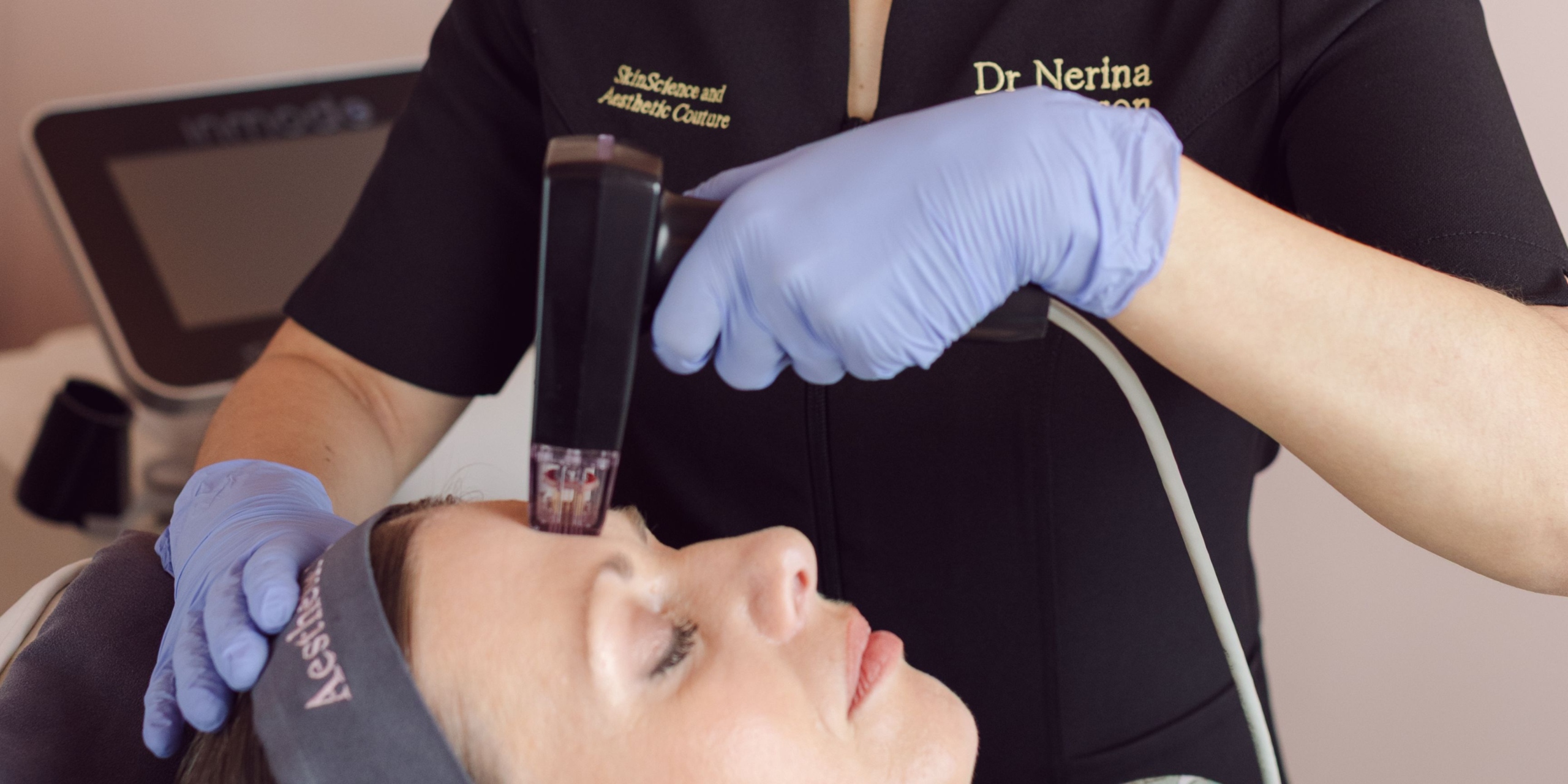
Treatments that stimulate new collagen (such as Microneedling, Morpheus8)
-
Chemical peels that smooth skin texture
- Home care, which includes retinol, vitamin C, and antioxidants
Truth: We need pores, but they can be refined. Refined, healthy pores are a sign of functioning skin – not a flaw.
Rough Skin Texture Is Rarely Just Dryness
Many patients describe their skin as “dry” when it feels rough, crepey, dull, or bumpy. But true dryness is only one piece of the puzzle. In most cases, texture changes reflect deeper issues such as UV damage accumulated over the years, slower cell turnover, a decline in collagen and elastin, and surface unevenness caused by inflammation, or even damage caused by acne (to name a few).
Yes, a good moisturiser can “soften or soothe” the skin temporarily, but it cannot correct these structural changes. What does work?
-
Retinoids: They accelerate cell turnover and stimulate collagen, helping the skin behave more like its younger, smoother self.
-
Chemical peels: They dissolve built-up dead skin and surface irregularities, revealing fresher, more even texture underneath.
-
Laser skin resurfacing: It precisely removes damaged skin cells while triggering deep collagen remodelling for long-term refinement.
-
Morpheus8 radiofrequency microneedling: It delivers heat and controlled micro-injury into the dermis, firming and tightening the skin from within.
-
Consistent professional skincare products: It reinforces the results of in-clinic treatments and maintains healthy cell function for lasting smoothness.
Truth: Skin texture improves not with more moisture, but with treatments that help the skin behave like its younger self.
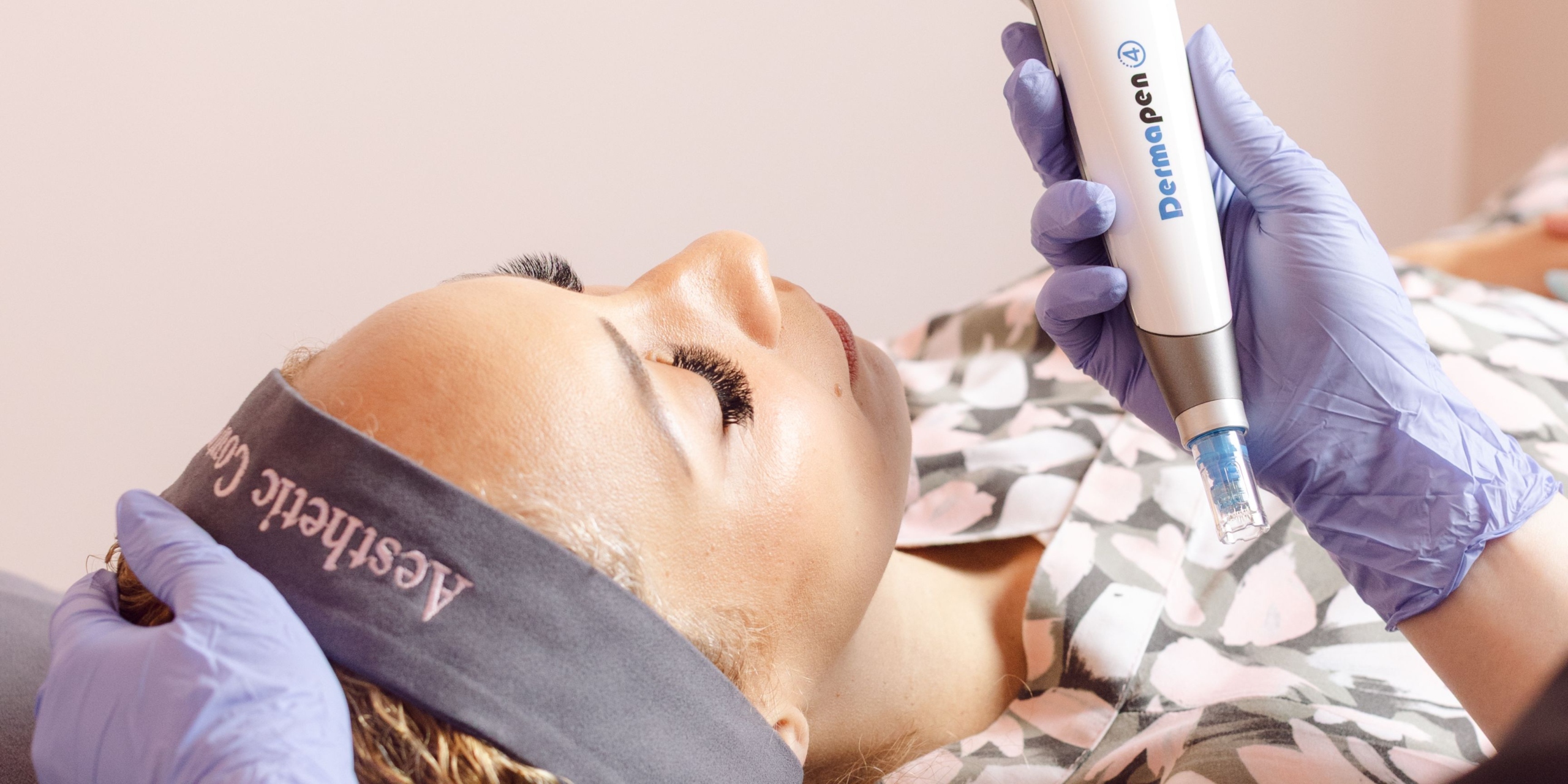
Acne Scars Can Never Be Removed Completely
Once acne scars form, the skin has healed inward, creating indentations or irregular texture. This “scar architecture” is permanent – but that doesn’t mean you can’t achieve dramatic improvement.
When it comes to treating acne scarring, the goal is to create a smoother and more even skin texture, and to do that, we combine techniques such as:
-
TCA peels or laser skin resurfacing to remove the damaged outer skin layers and stimulate new collagen production
-
Morpheus8 radiofrequency microneedling to stimulate collagen production and remodel the skin
-
PRP/PRF treatments to accelerate healing, and stimulate collagen production and tissue regeneration, leading to improved skin texture and tone
Truth: Complete acne scar removal is a myth – but a life-changing improvement is absolutely achievable.
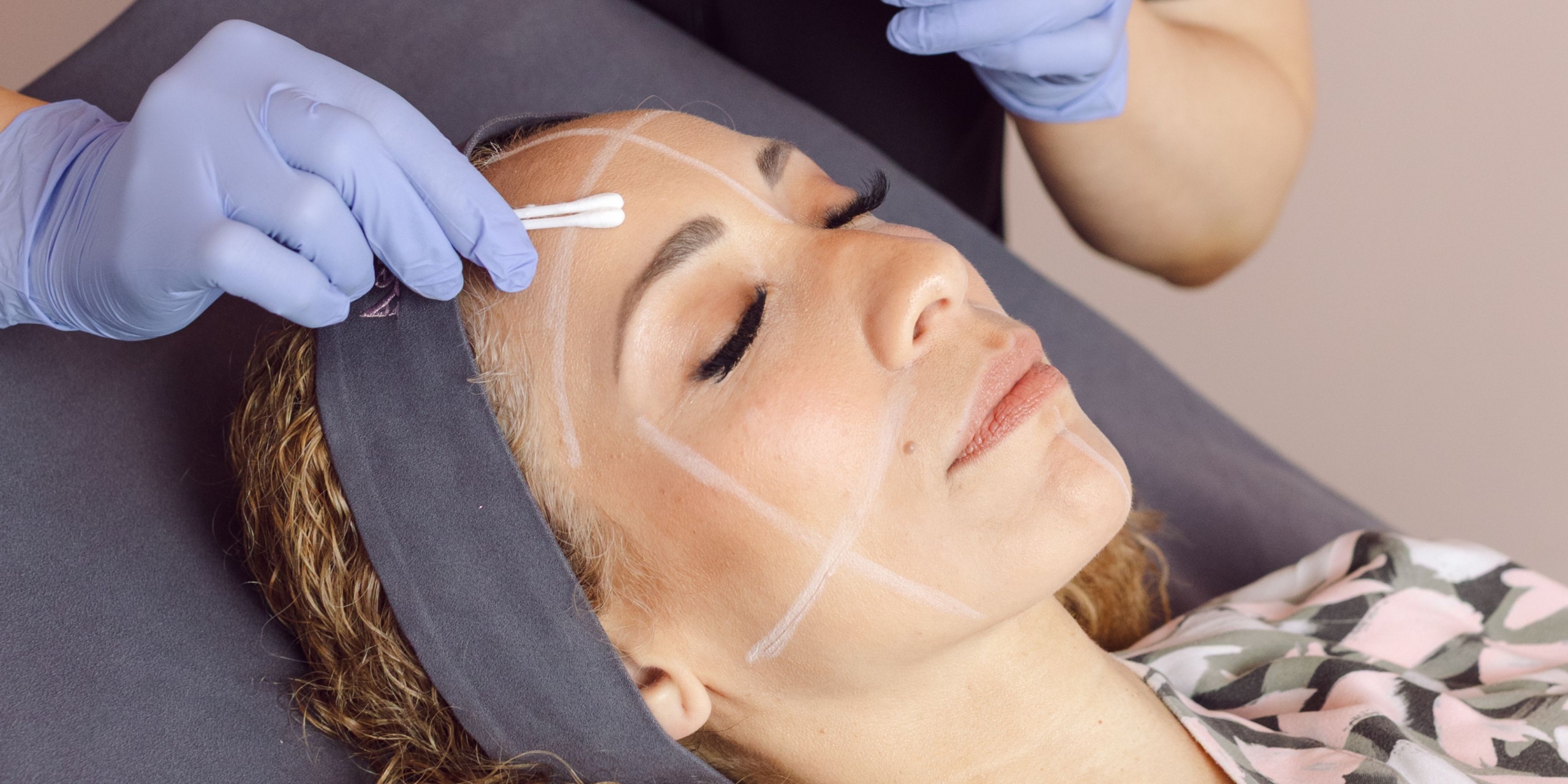
Skincare Works… But Only When Lifestyle Supports It
It’s easy to place all your hope in the “perfect” routine or the latest active ingredient, but the skin is not an isolated organ — it reflects the state of your entire internal environment. Even the most advanced, medical-grade skincare can be undermined by everyday habits that quietly accelerate ageing at a cellular level.
- UV exposure remains the biggest culprit, responsible for up to 80% of visible ageing. The sun doesn’t just cause pigmentation; it breaks down collagen, damages elastin, and triggers chronic inflammation deep within the dermis. No serum can undo hours of unprotected exposure.
- Stress, too, leaves its imprint on the skin through cortisol spikes that disrupt barrier function, slow healing, and fuel inflammation. The result? Dullness, flare-ups, and accelerated ageing.
- Smoking and vaping starve tissues of oxygen, constrict blood vessels, and create free radicals that break down collagen faster than any antioxidant can repair.
- Poor sleep slows down the regenerative processes that usually peak at night — meaning less collagen production, impaired cell turnover, and a perpetual “tired” texture.
- Dehydration and nutrient deficiencies weaken the skin’s barrier and reduce its ability to maintain smoothness, glow, and resilience.
All of these factors work silently in the background. And while skincare and treatments are powerful, they can only build on the foundation your lifestyle creates.
Truth: Healthy, luminous skin is not just the result of what you apply – it’s a partnership between science, daily habits, and the quiet decisions you make every single day.
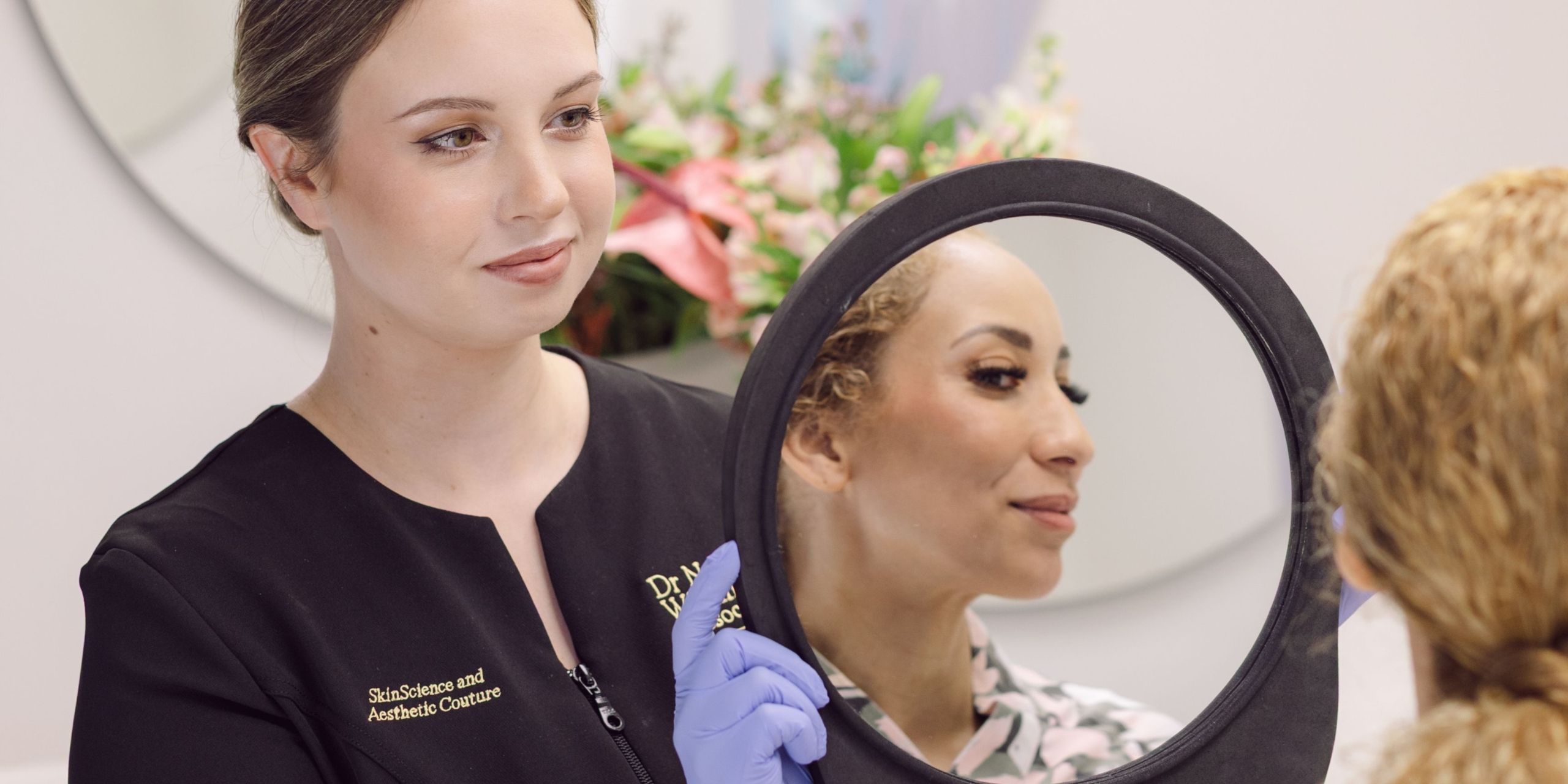
Moral Of The Story?
Understanding your skin (truly understanding it) is one of the most empowering steps in your aesthetic journey. When you see the “why” behind concerns and the “how” behind solutions, you can approach your skin with clarity, confidence, and compassion.
At Dr Nerina Wilkinson + Associates, our role is to guide you through this with advanced technology, scientific accuracy, and a specialist touch. If you’re ready to discover what your skin really needs, we invite you to begin with a personalised consultation.
Because honest skin science creates the most beautiful results.