By Medical Aesthetic Specialist, Dr. Cindy Kerbel
For many women, menopause does not begin with a hot flush or a restless night. It begins quietly, in the mirror.
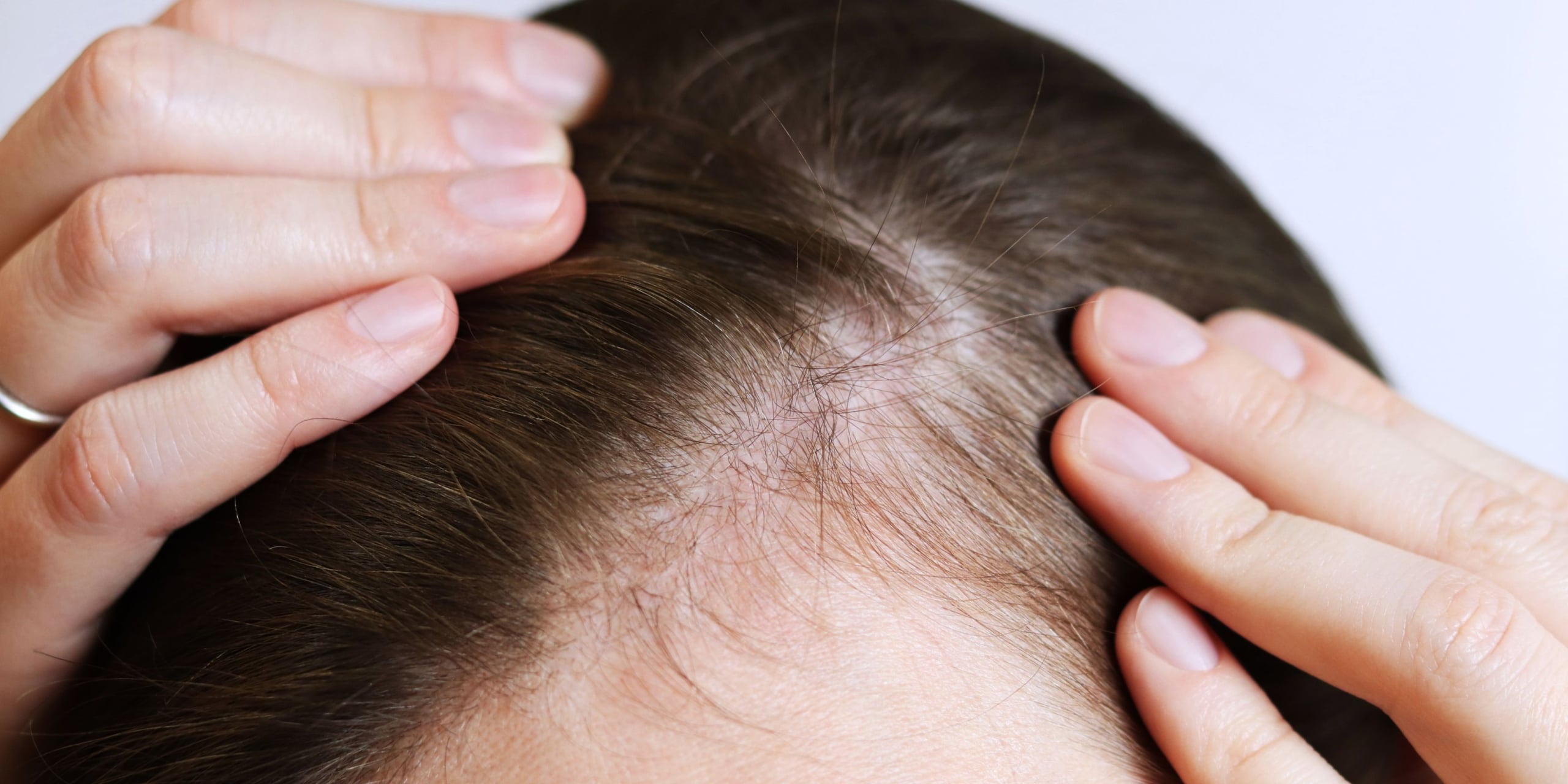
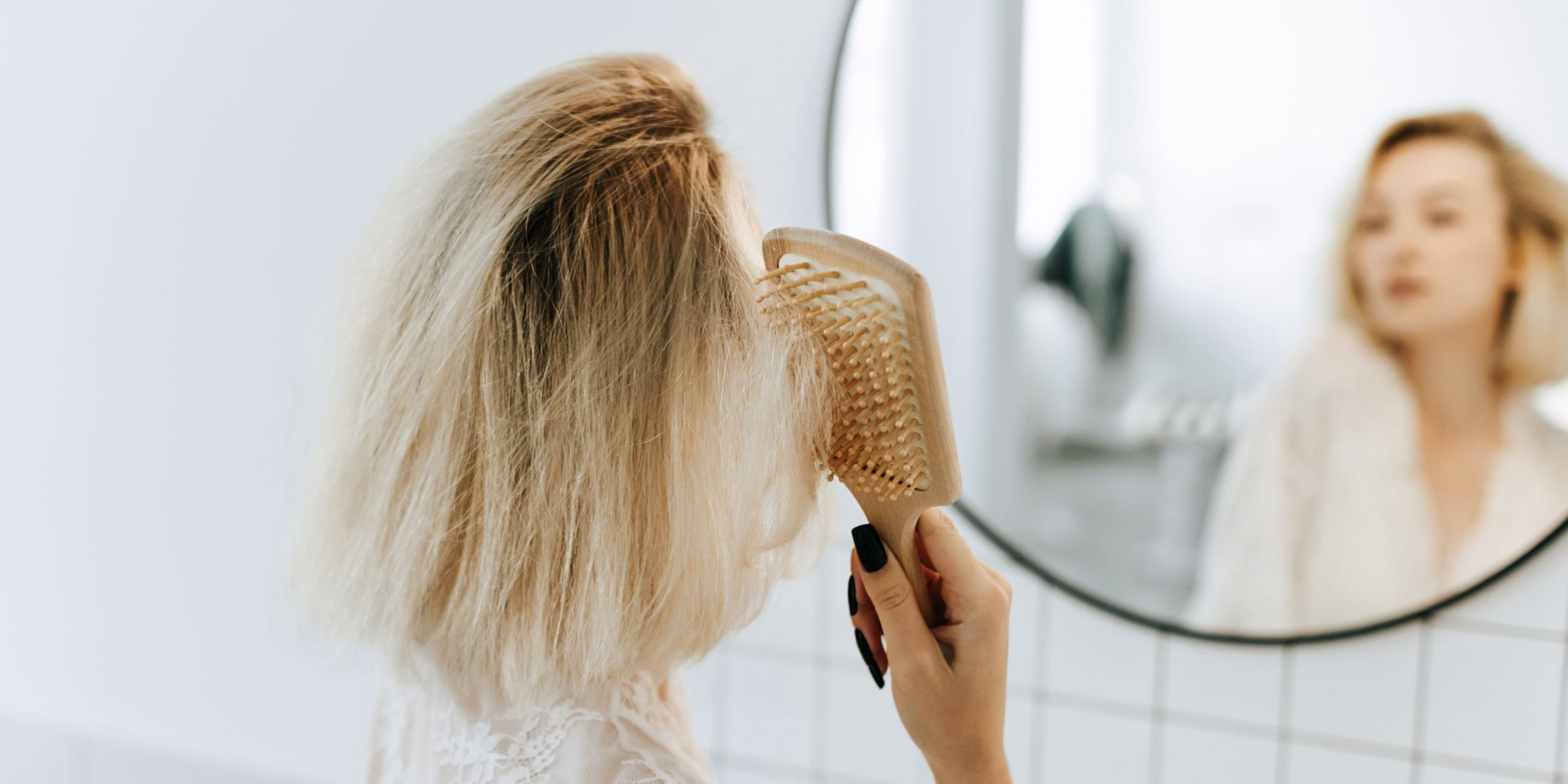
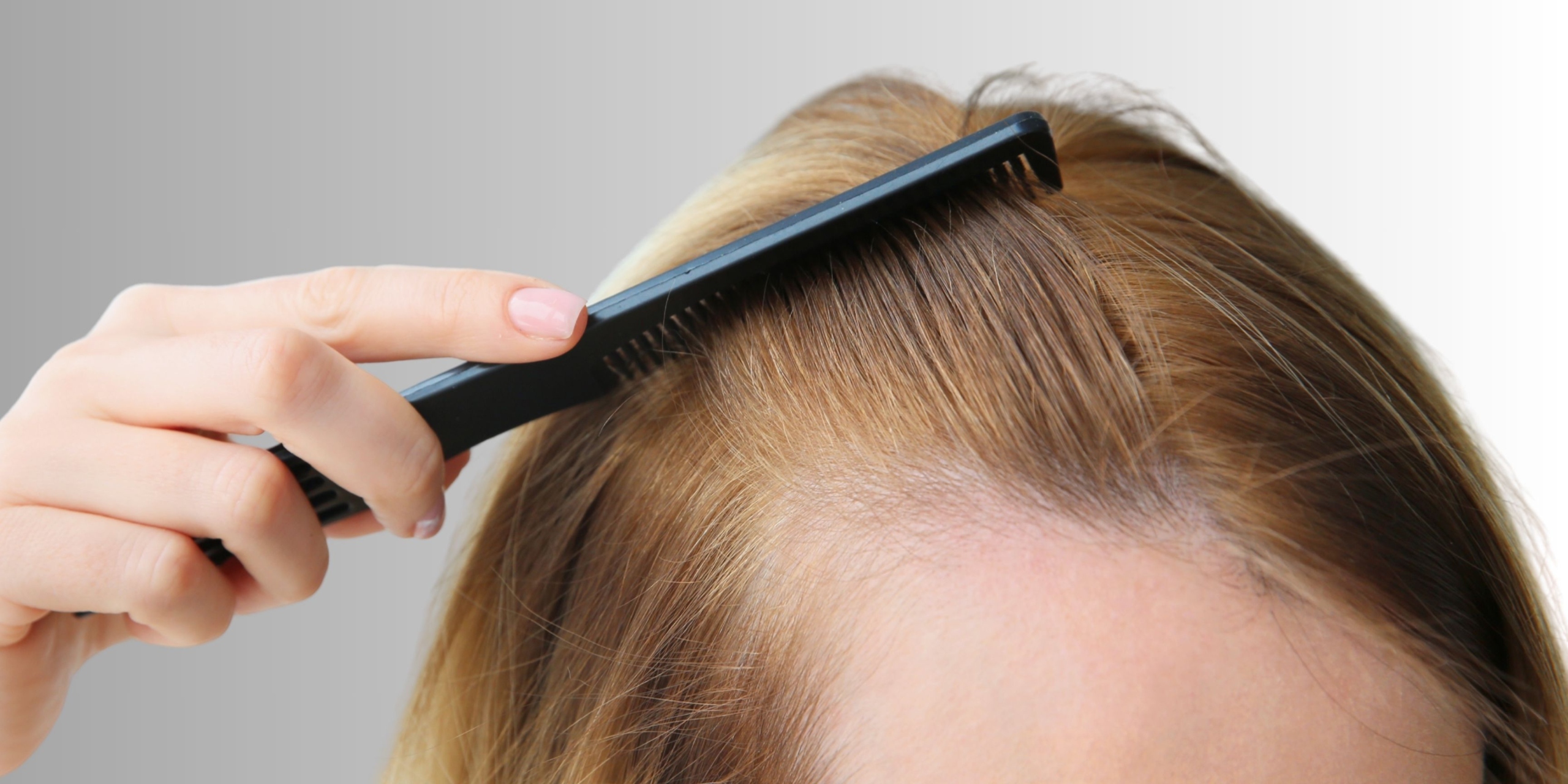
Hair that once felt abundant and glossy seems finer and starts to thin. The parting appears wider beneath harsh bathroom lights. The ponytail feels lighter in your hand. The brush gathers more strands than it used to. These changes are not always dramatic; they are often gradual, persistent, and deeply personal.
At Dr Nerina Wilkinson + Associates, we want women to know something powerful. Hair loss during menopause is not a personal failing. It is a biological transition. And when we understand the biology, we can treat it with elegance, intelligence and intention.
This philosophy sits at the heart of our signature Menomastery™ program because we believe that menopause is not something to endure in silence, but rather something to master with insight, advanced medical care, and personalised support.
More about this later, let’s first look at how menopause affects our hair.
Why Menopause Changes Your Hair
Hair growth is exquisitely hormone sensitive. Throughout our reproductive years, oestrogen and progesterone help maintain a long, healthy growth phase (the anagen phase) of the hair life cycle. These hormones support collagen production, maintain blood flow to the scalp, reduce inflammation, and help protect follicles from miniaturisation.
As menopause approaches, levels of oestrogen and progesterone decline. At the same time, androgens, which women naturally produce in small amounts throughout life, become relatively more dominant. This hormonal shift has a profound impact on the follicle in several important ways. The hair growth phase shortens, the shedding phase (telogen) lengthens, and overall hair cycling becomes less robust. Blood flow to the scalp decreases, oil production drops, leaving the scalp drier and more fragile. Low-grade inflammation also becomes more prevalent, and the scalp itself becomes thinner and less resilient.
The result is progressive thinning rather than sudden loss. Hair grows more slowly, sheds more easily, and becomes finer. Over time, density appears reduced. This is why menopausal hair thinning often feels relentless, and why it cannot be corrected with shampoo alone.
Understanding Hair Follicle Miniaturisation
To understand menopausal hair thinning effectively, we must look beneath the surface, to the level of the follicle. Each hair grows from a follicle that relies on an oxygen-rich blood supply, growth factors, stem cell signalling, structural collagen support, and a low-inflammatory environment. When this delicate ecosystem is disrupted, the follicle begins to weaken.
When oestrogen declines, genetically susceptible follicles become more sensitive to dihydrotestosterone (DHT), an androgen derivative formed from testosterone. Over time, these follicles gradually miniaturise. The hair shaft becomes thinner. The growth phase becomes shorter. Eventually, some follicles enter a prolonged resting state.
This process underpins female pattern hair thinning, and menopause often accelerates it. Importantly, follicles do not disappear overnight. They weaken first. These weakened follicles can often be rescued if intervention occurs early enough and a healthy scalp environment is restored.
Why Shampoos and Supplements Are Not Enough
When hair begins to thin, it may seem natural to reach for volumising products, thickening sprays, collagen powders or over-the-counter hair supplements. While these products may improve how hair looks or feels in the short term, they do not change what is happening inside the scalp.
The hair follicle is a living structure. Hair grows from follicles that depend on circulation, oxygenation, cellular signalling and structural support. If the scalp’s dermal matrix is compromised, if inflammation is present, or if blood supply is diminished, cosmetic products cannot reverse that decline.
Supplements can support overall nutritional status, particularly where deficiencies exist. However, they cannot independently reactivate dormant follicles or rebuild collagen scaffolding within the scalp.
Optimal hair restoration during menopause must therefore be regenerative and medical. It must address the biological environment in which hair grows. Healthy hair begins with a healthy scalp.
Menopause and Scalp-Ageing
We often focus on facial ageing during menopause, but the scalp is skin too, and it ages in parallel.
During menopause, collagen declines not only in the face but across the body. The scalp becomes thinner, microcirculation slows, follicles receive less nourishment, and inflammatory activity increases. The extracellular matrix within the dermal layer, which anchors and supports the follicle, weakens. Sebum production reduces, contributing to dryness and fragility. The scalp becomes a less supportive environment for hair growth, creating the perfect conditions for hair thinning and loss.
This is why hair loss during menopause is not sudden; it is progressive. And this is why it requires regenerative medical care, not cosmetic cover-ups.
This understanding informs the way we approach hair at Dr Nerina Wilkinson + Associates. We do not see thinning hair as an isolated symptom. We see it as part of a wider systemic transition that deserves comprehensive, science-led care.
Introducing Menomastery™
At Dr Nerina Wilkinson and Associates, menopause is treated as a whole-body transition – not merely a hormonal event.
Menomastery™ was developed in response to the often unmet needs of women navigating perimenopause and menopause. Our signature Menomastery™ programme aims to support women through this multifaceted stage of life by providing advanced aesthetic medicine, regenerative therapies, intimate wellness treatments, and deeply personalised care.
While hormone balancing remains the role of our trusted functional medicine partners, our expertise lies in understanding how menopause affects skin, hair, tissue health, and feminine confidence, and restoring harmony where the body needs it most.
Menomastery™ Hair is a central pillar of this approach.
Menomastery™ Hair: Regenerative Care For Thinning Hair
Menomastery™ Hair focuses on restoring the biological environment your hair needs to grow.
It is not about hiding or disguising hair loss. It is about treating and, where possible, reversing the conditions that cause it.
Our approach is multi-modal, evidence-based, medical, and regenerative. We combine regenerative therapies with medical management and personalised home support to reawaken dormant follicles and rebuild a healthy scalp environment.
Let’s take a look at the various solutions available within this signature hair revival approach.
Regenerative Stimulation: PRF and Exosome Hair Restoration
At our practice, we utilise platelet-rich fibrin (PRF) for scalp rejuvenation and hair restoration. PRF represents a refined form of autologous regenerative therapy.
A small sample of your blood is processed using low-speed centrifugation without anticoagulants, preserving a fibrin matrix rich in platelets, leukocytes and growth factors. The PRF is then injected into targeted areas of the scalp. This fibrin scaffold facilitates a slower, more sustained release of growth factors compared to earlier platelet concentrates such as PRP. The result is prolonged biological stimulation in the area where it is most needed.
Scalp PRF works by stimulating dormant follicles to re-enter the growth phase, enhancing vascular supply, supporting tissue repair and modulating inflammation within the scalp environment.
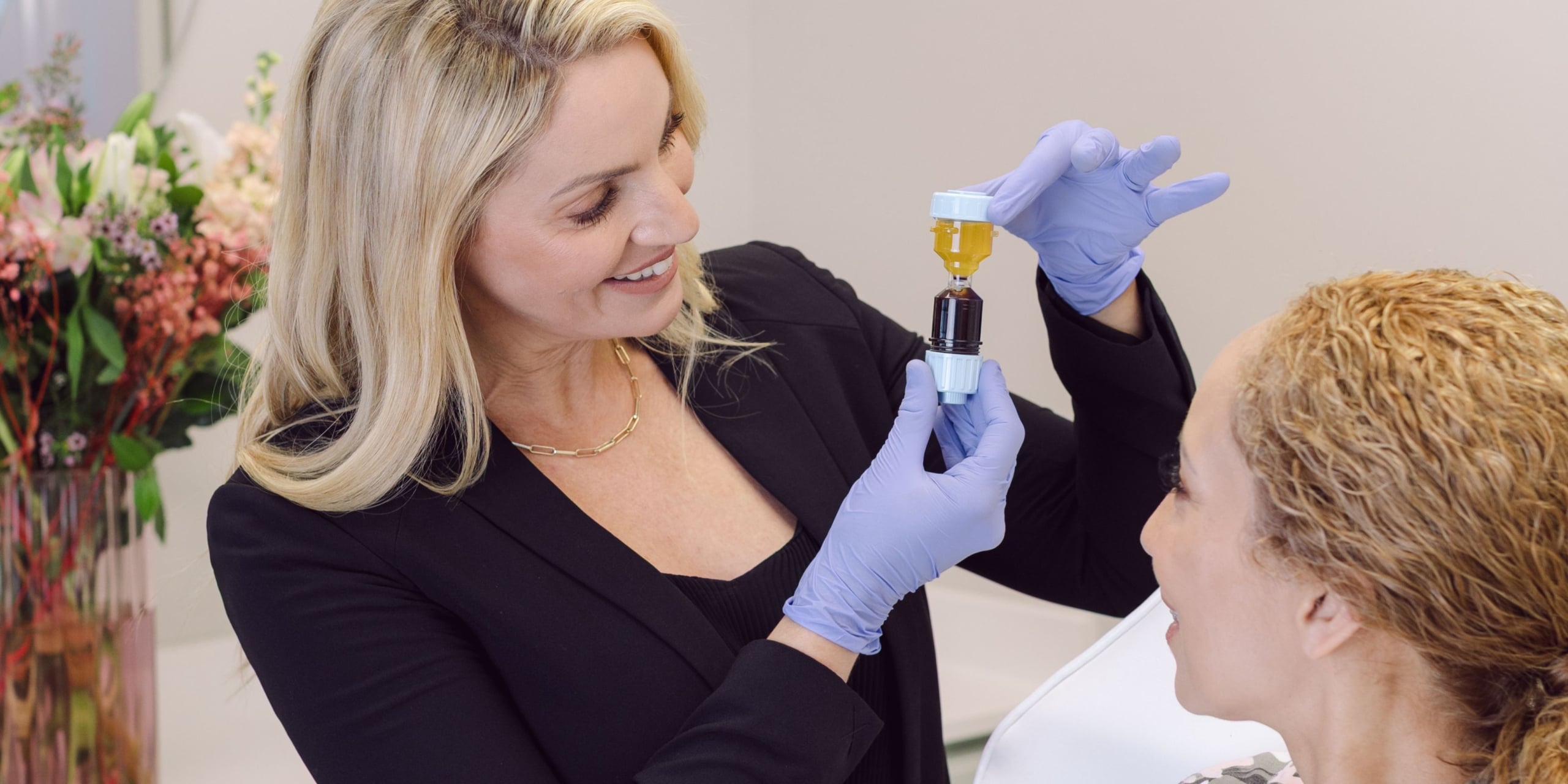
Exosome therapy complements this regenerative approach. Exosomes are cell-derived signalling vesicles that facilitate communication between cells. Unlike PRF, which is injected into the scalp, exosomes are introduced into the scalp topically in combination with microneedling to enhance penetration. They deliver concentrated regenerative signals that support follicular activation and improve scalp health.
Both PRF and exosome therapy aim to restore vitality at a follicular level. They do not artificially create hair; rather, they optimise the environment so that existing follicles can function as they were biologically designed to.
Microneedling and Mesotherapy for Hair and Scalp Wellness
Medical microneedling of the scalp creates controlled micro-injuries that stimulate collagen production and angiogenesis (the formation of new blood vessels). This improves circulation and enhances oxygen and nutrient delivery to hair follicles. The micro-channels created by microneedling also facilitate improved absorption of targeted topical solutions.
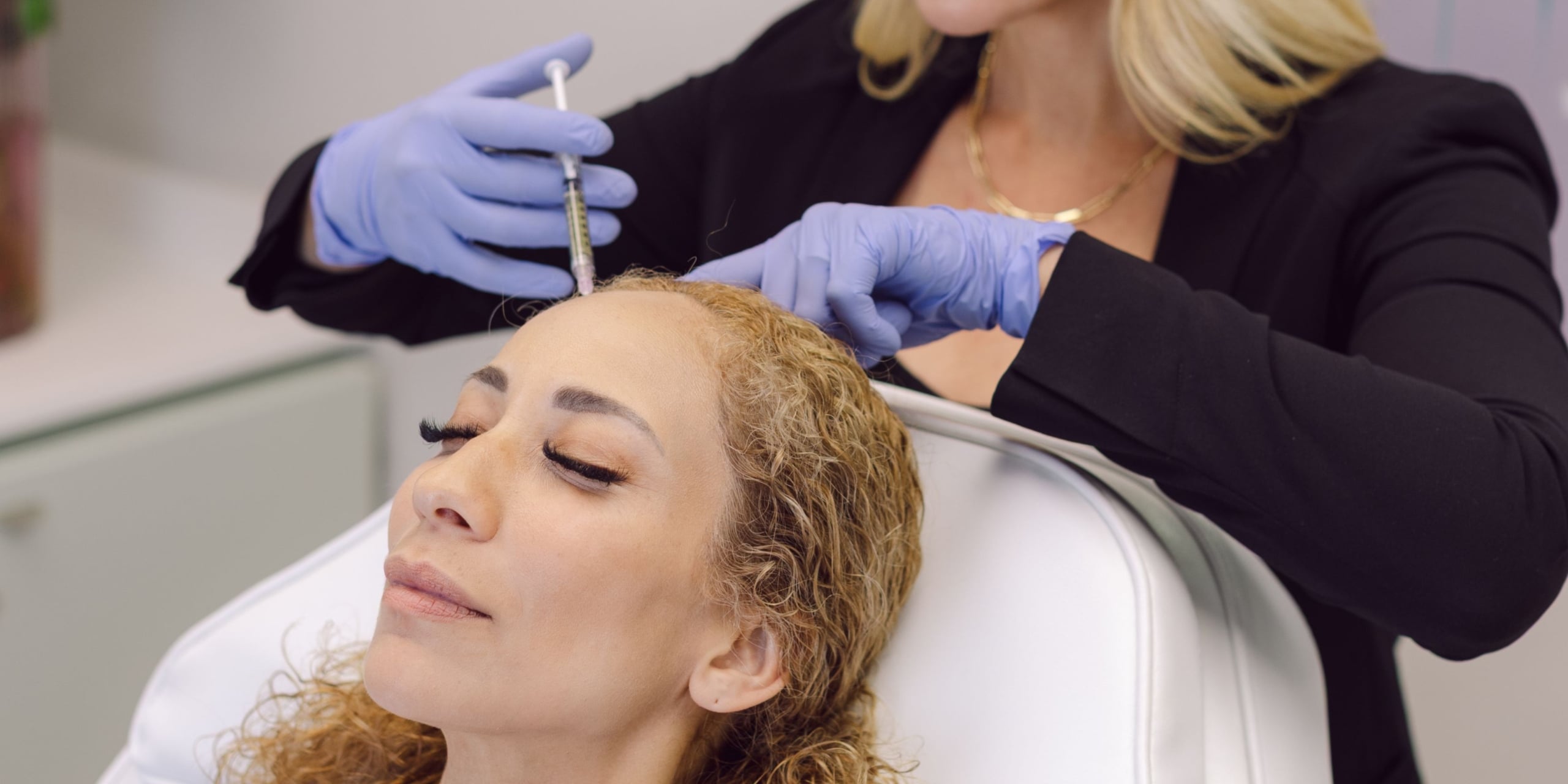
Mesotherapy allows for the precise delivery of carefully selected compounds directly into the follicular environment. These may include peptides, amino acids, nutrients and vitamins tailored to the individual’s needs. By placing these substances exactly where they are required, we enhance circulation, improve scalp quality and optimise the conditions for hair growth.
Medical Grade Treatment and Pharmacological Support
In selected patients, medical management forms an essential part of a comprehensive hair restoration strategy. Following a detailed assessment, we may incorporate prescription therapies such as topical or oral agents that modulate androgen sensitivity, prolong the anagen phase, or reduce excessive shedding.
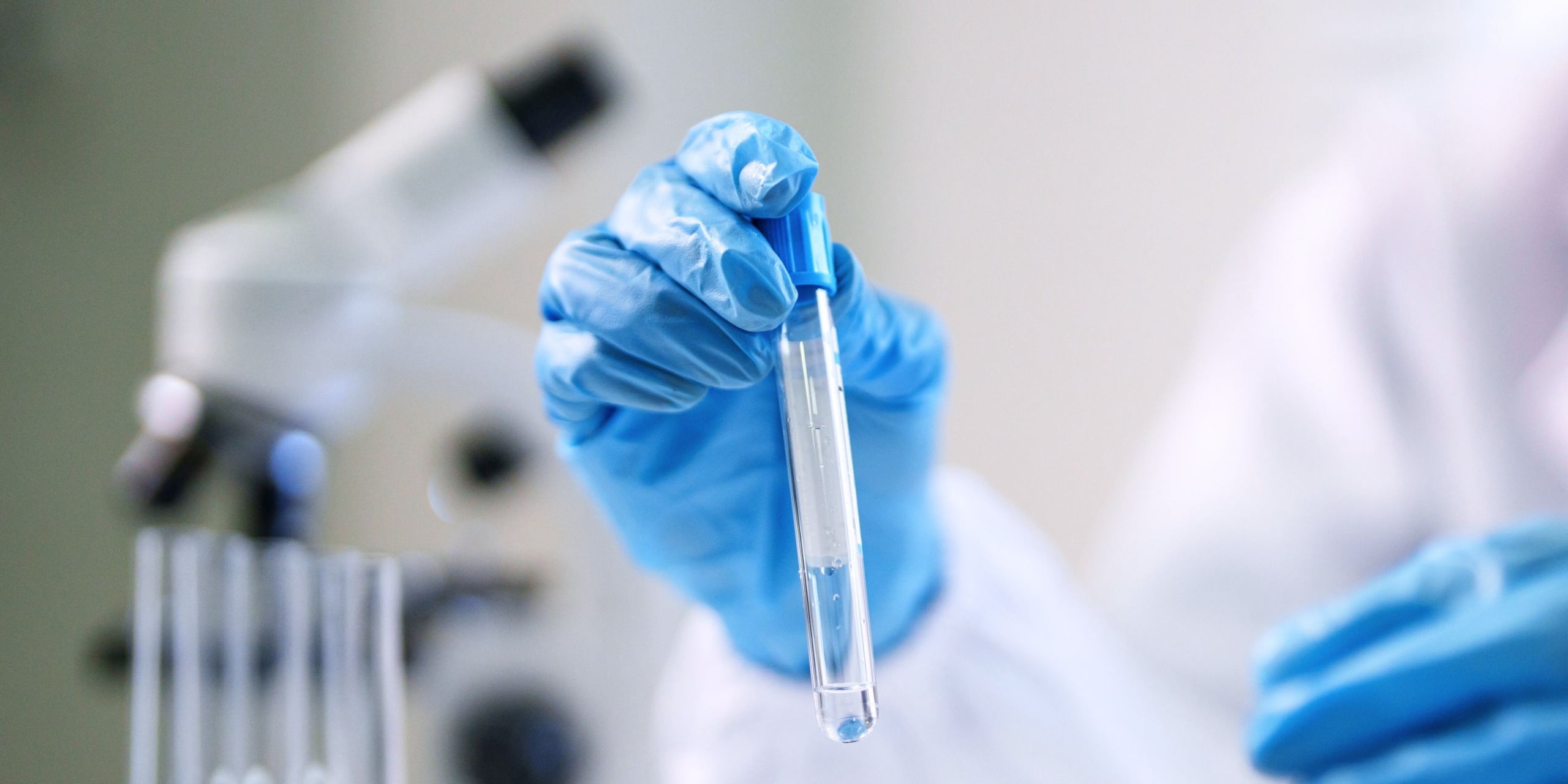
Where appropriate, we utilise advanced genomic testing such as the Trichotest, a DNA-based analysis performed from a simple cheek swab. This test evaluates genetic variations related to androgen metabolism, inflammatory pathways, nutrient utilisation, and response to specific hair loss medications.
The results allow us to personalise pharmacological treatment and product recommendations with greater precision, selecting the most appropriate topical serums, oral therapies or supportive nutraceuticals for optimal efficacy and long-term scalp health.
Professional Hair Care and Nutraceutical Support
Professional-grade haircare and targeted nutraceuticals support hair shaft fortification and resilience, reduce inflammatory burden, and improve scalp barrier function. This ensures that new growth is protected and strengthened as it emerges, enhancing shine, resilience, and overall hair quality.
Why Multi-Modal Hair Restoration Works Better
Hair regrowth is biologically complex. It requires follicle activation, structural repair, adequate nutrient delivery, inflammation control and consistent maintenance.
No single treatment can achieve all of this. A serum alone cannot rebuild collagen. PRF alone cannot correct chronic inflammatory drivers. Supplements alone cannot improve blood supply or reverse miniaturisation.
That is why Menomastery™ Hair combines multiple regenerative therapies into one personalised and carefully sequenced plan, creating the ideal conditions for hair to grow, strengthen and remain resilient. By addressing multiple pathways simultaneously, we shift the scalp environment from progressive decline towards recovery. And that is when meaningful regrowth begins.
This is how we help women achieve thicker, shinier, more resilient hair – from the scalp up.
What to Expect From Your Menomastery™ Hair Journey
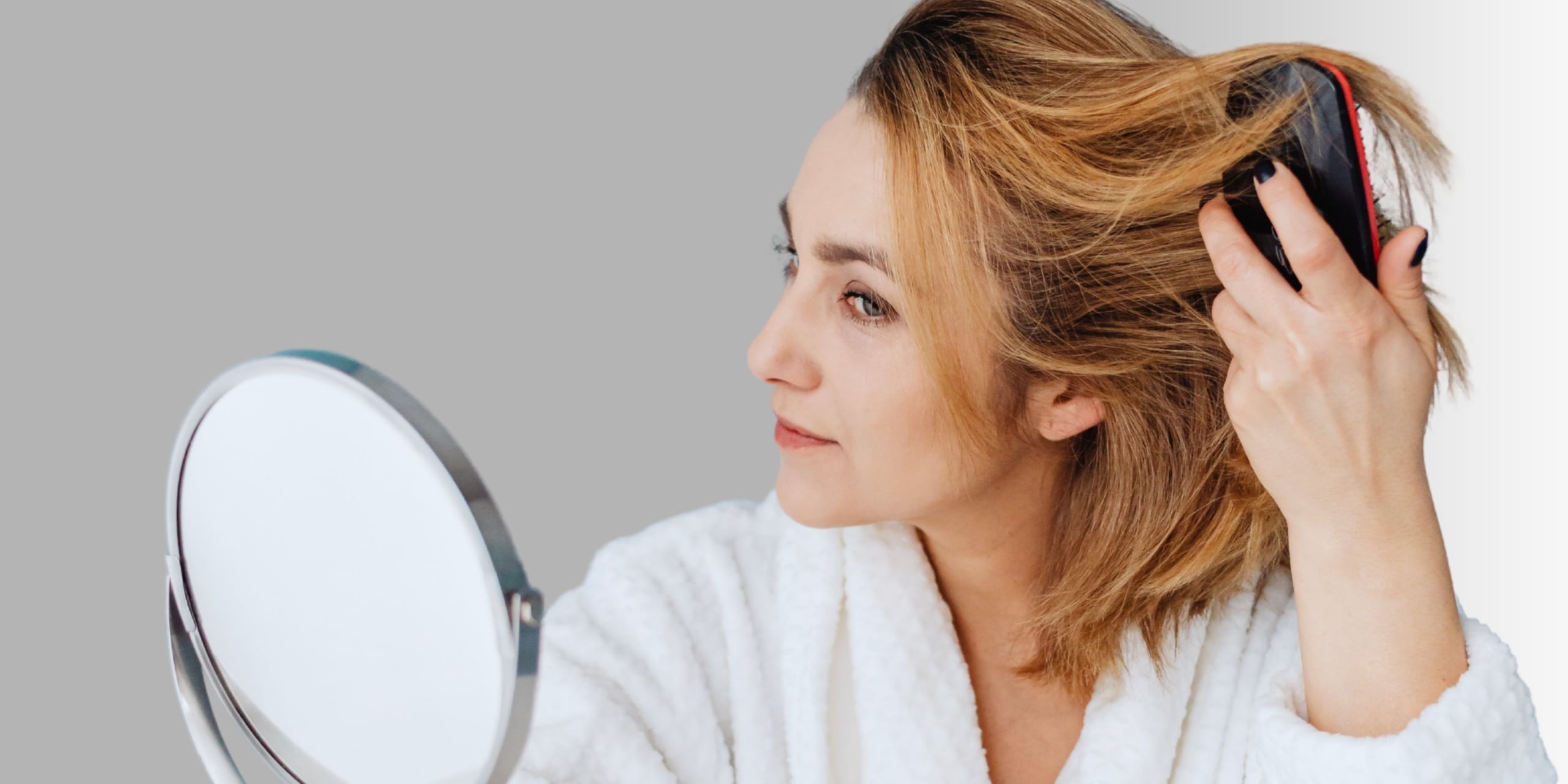
Every journey begins with understanding. A thorough consultation includes a detailed medical history and formal scalp and hair analysis. We explore contributory factors such as androgen sensitivity, genetic predisposition, nutritional status, stress-related shedding and underlying medical conditions that influence thinning and loss.
From there, a personalised medical and regenerative plan is created. This may include blood testing and, where indicated, DNA analysis. It may also include a structured course of scalp PRF treatments, microneedling with exosomes, targeted mesotherapy, prescription medication and carefully selected homecare support. Maintenance sessions are tailored according to individual response. This transforms hair restoration into a long-term confidence strategy, not a temporary fix.
The results are subtle and natural. Hair appears stronger. The parting softens. The ponytail regains weight. Confidence returns quietly, without announcement.
Why Early Intervention Matters
Menomastery™ Hair is therefore both preventative and restorative, helping you protect the hair you have and regrow what has been lost.
The Emotional Landscape of Hair Loss. Your Hair is Part of Who You Are
Hair is not vanity. It is woven into identity, femininity, and self-expression. For many women, thinning during menopause can feel like a quiet erosion of youth and vitality. It may subtly affect professional confidence, social ease, and intimate relationships.
If you are noticing thinning, shedding or changes in hair quality, book your Menomastery Hair Consultation at Dr Nerina Wilkinson + Associates and discover how regenerative medicine can help you step into this new chapter with strength, confidence, and radiant self-assurance.
Remember… Menopause is not something to endure. It is something to master. And your crown deserves nothing less.
By Medical Aesthetic Specialist, Dr. Cindy Kerbel