Written by Plastic Surgeon, Dr. Nerina Wilkinson
There is a new language emerging in aesthetic medicine. Words such as regeneration, biostimulation, growth factors, stem cells and cellular repair now appear everywhere, from medical consultations and conference programmes to skincare campaigns and social media.
For patients, these words can sound both exciting and reassuring. They suggest treatments that work with the body, support healthier tissue and create more natural results. They also speak to a growing desire to move away from simply filling, freezing or tightening the face and towards something more biologically intelligent.
Table of contents
-
- What is Regenerative Aesthetics?
- The Power of Three in Regenerative Aesthetics
- There is More to the Face Than Collagen
- Are All Aesthetic Treatments Regenerative?
- Which Aesthetic Treatments Are Regenerative?
- Natural Does Not Automatically Mean Regenerative
- Why Regenerative Aesthetics Cannot “Fix” Everything
- The Impact Of A Four-Dimensional Approach
- Frequently Asked Questions
This shift is important, because regenerative science is opening new possibilities for the way we understand ageing tissue, healing and long-term skin quality. However, exciting language can also create confusion. Not every treatment described as regenerative truly regenerates tissue, collagen stimulation is not always the same as regeneration, and a product does not become scientifically advanced simply because it contains words such as growth factors or exosomes. Regenerative aesthetics should never depend on mystery. Science should create clarity, not mystique.

What Is Regenerative Aesthetics?
Regenerative aesthetics draws on principles from tissue healing, cellular communication and regenerative medicine. Rather than focusing only on a visible concern, it asks whether we can also improve the health, function or biological environment of the tissue itself. This is an important evolution in aesthetic thinking, but it does not make established treatments outdated.
The Power of Three In Regenerative Aesthetics
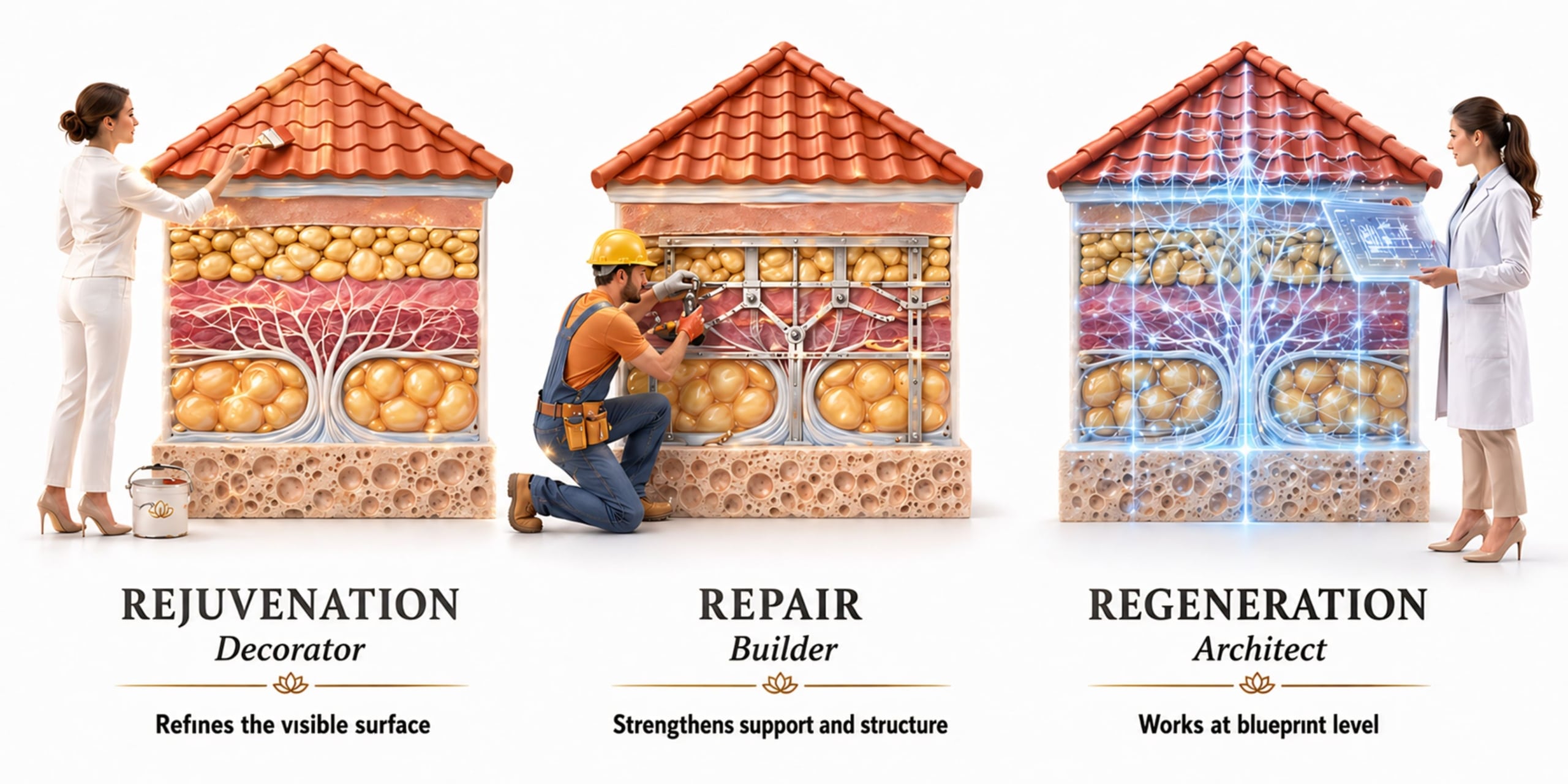
Repair, or biostimulation, works by creating a controlled response within the skin or deeper tissue. Medical microneedling, fractional laser, radiofrequency microneedling and collagen-stimulating injectables encourage the body to respond through inflammation, fibroblast activity, collagen production and tissue remodelling. Regeneration works more directly with living biological signals, cells or tissue, and may include platelet-rich preparations, autologous fat transfer and selected fat-derived approaches. None of these pathways is automatically superior; the intelligent treatment is the one that addresses the patient’s actual concern.
There Is More To The Face Than Collagen
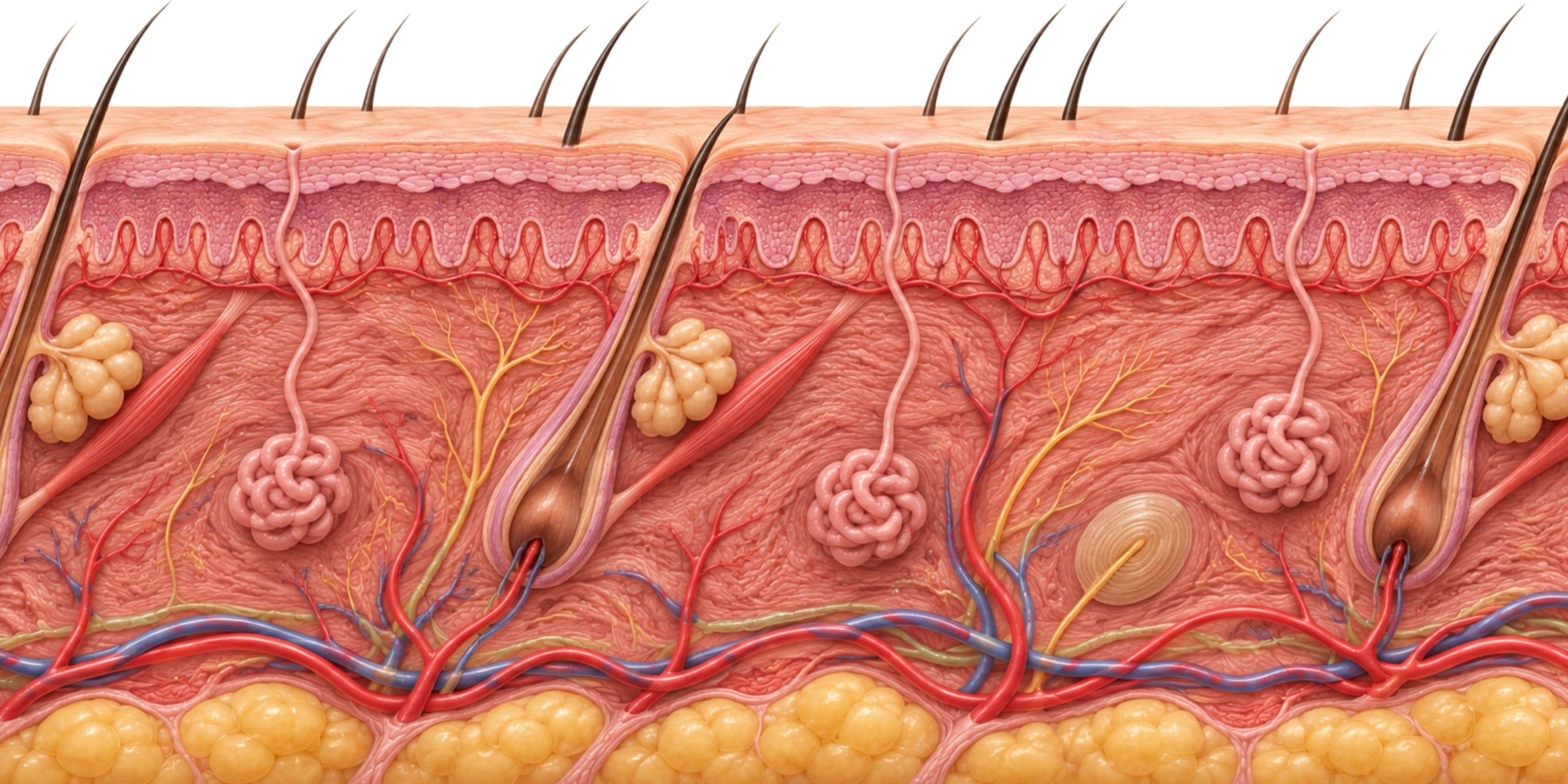
The biological story of the skin is far more complex, and far more interesting, than one protein. This is also why no single treatment can correct every aspect of skin ageing. A patient may need support for pigmentation, barrier health, vascular change, hydration or texture, even when collagen stimulation forms part of the plan.
Are All Aesthetic Treatments Regenerative?
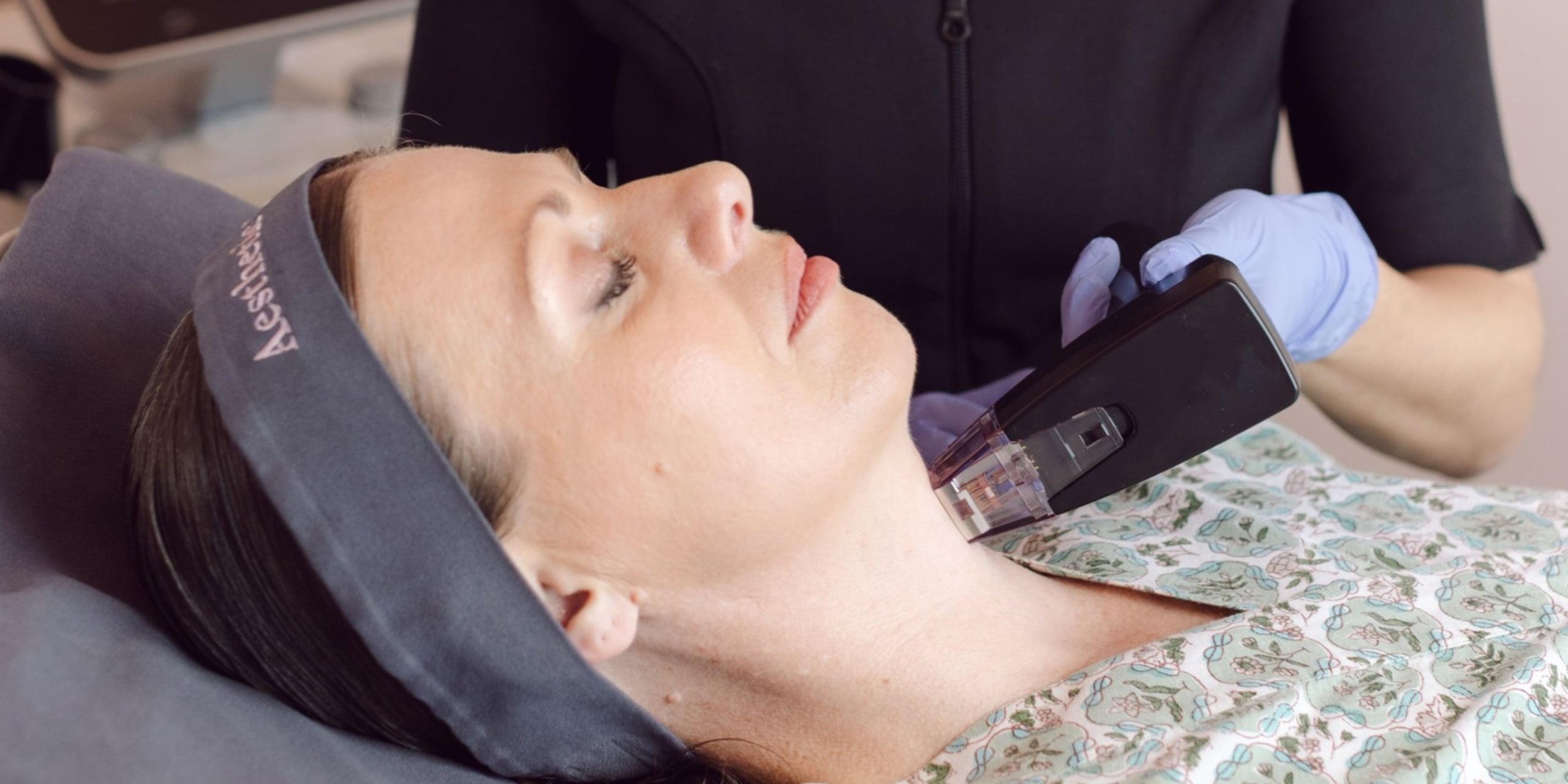
These treatments may improve texture, firmness, fine lines, scarring and aspects of skin quality by encouraging repair and remodelling. They undoubtedly work with the patient’s biology, but they are generally better described as reparative or biostimulatory rather than purely regenerative, because their primary effect is to stimulate the tissue to rebuild and reorganise components such as collagen.
Using accurate language does not diminish their value. In fact, it helps patients understand what they are choosing and protects them from believing that a treatment can return tissue to a completely youthful biological state.
Which Aesthetic Treatments Are Regenerative?
Regenerative treatments are an important part of our Intelligent Ageing™ approach at Dr Nerina Wilkinson + Associates. They work with the skin’s natural repair and renewal processes, with the aim of improving skin quality over time.
The right treatment begins with understanding your skin, what has changed and what you’d like to improve. Below, we explore the regenerative treatments available at our practice, how each one works and where it might fit into a personalised treatment plan.
PRP and PRF treatments
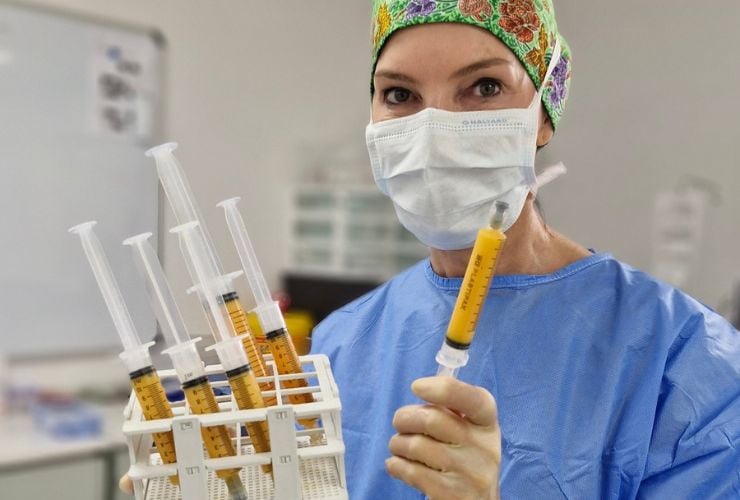
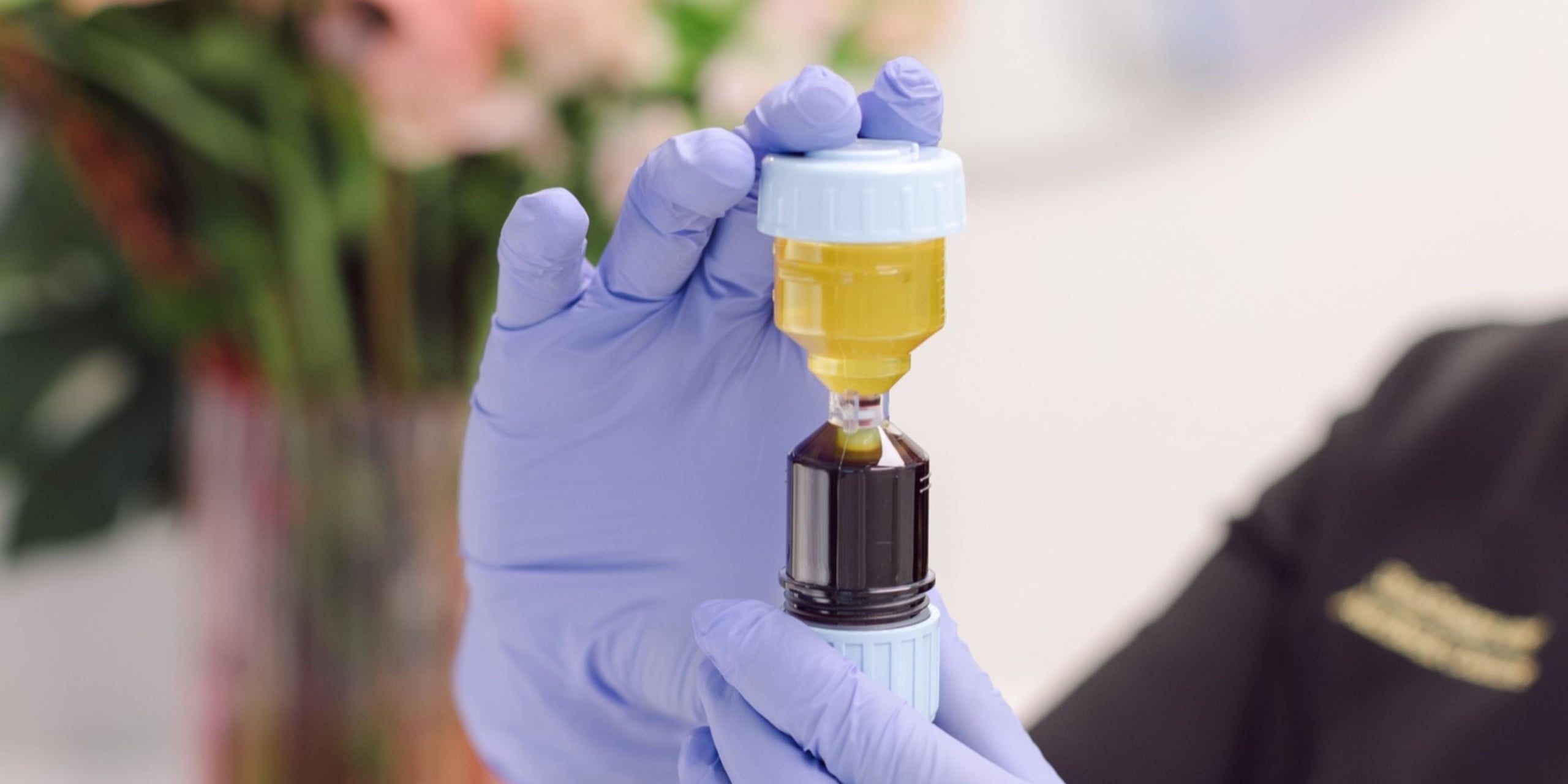
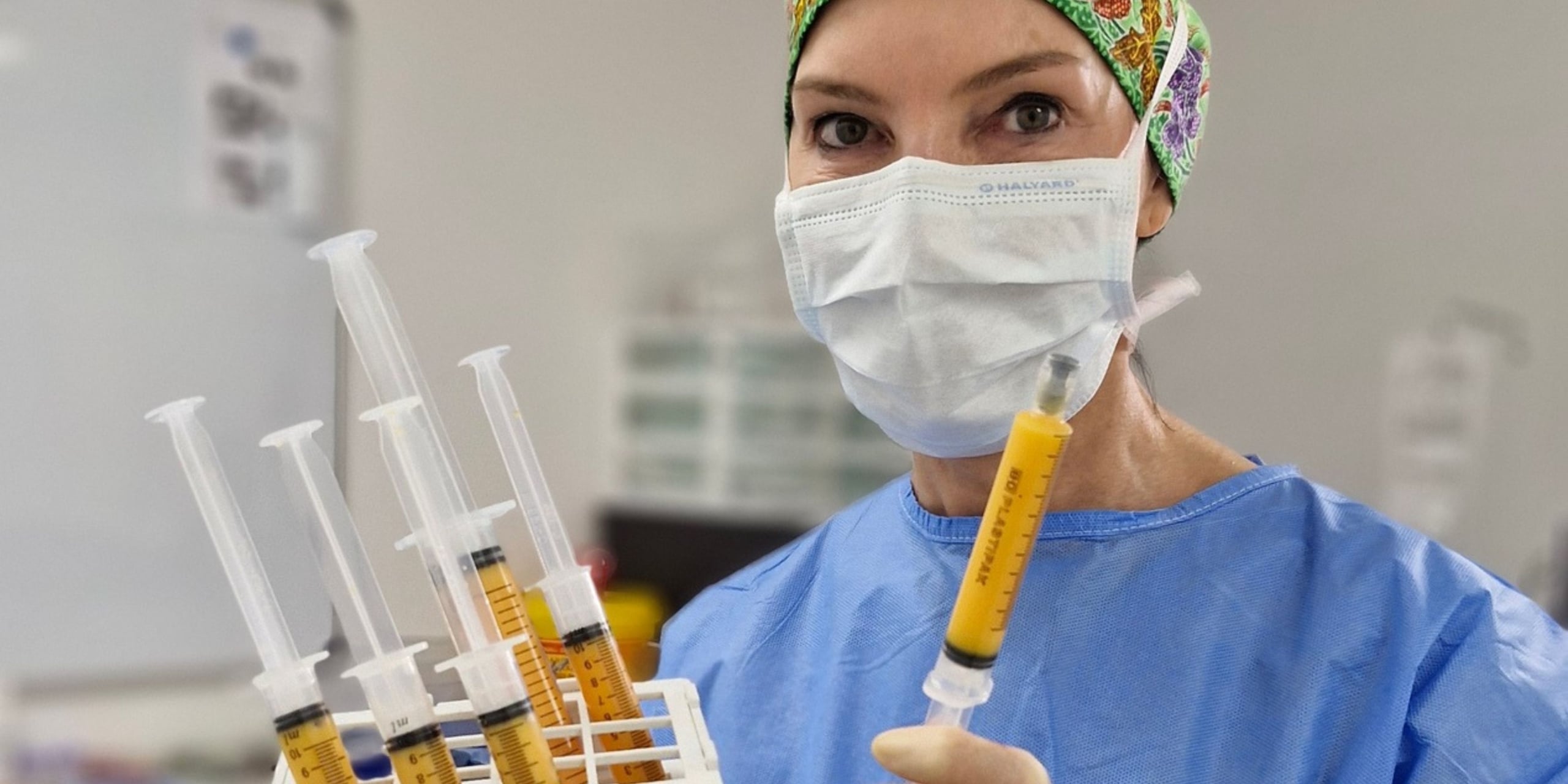
Platelet-rich plasma (PRP) and platelet-rich fibrin (PRF) are prepared from the patient’s own blood. A small amount of blood is collected and processed to concentrate platelets and other components associated with healing and cellular communication. Depending on the preparation, indication and delivery method, platelet-rich treatments may be used to support skin quality, hair health, tissue recovery and selected regenerative treatment plans.
Not every PRP or PRF treatment is identical. The collection system, platelet concentration, presence of white blood cells, processing technique and method of delivery can all influence the final preparation, while the patient’s own biology matters too. Age, general health, medication, smoking and tissue quality may affect the way the body responds.
PRP is also not a stem-cell treatment. It provides biological signals that may encourage repair, but it does not contain the same cellular populations found in adipose tissue or laboratory-developed stem-cell therapies. Clear language allows PRP to be valued for what it genuinely offers without turning it into something it is not.
Autologous Fat Transfer
Fat transfer occupies a particularly interesting place within regenerative aesthetics because fat is living tissue. It contains mature fat cells, small blood vessels, extracellular matrix and naturally occurring stromal and progenitor cell populations. When fat is gently harvested, carefully processed and transferred into the face, it may restore volume while introducing living tissue into the treated area.
Different preparations serve different purposes. Structural fat is used predominantly to restore volume and contour, microfat contains smaller parcels that allow more refined placement, and nanofat is processed into a very fine preparation used mainly to support tissue quality rather than create significant volume. The terminology and preparation methods can vary, which is why patients should be told clearly what is being used and what it is intended to achieve.
Standard fat grafting contains naturally occurring regenerative cell populations, but it is not the same as isolating, expanding or engineering stem cells in a laboratory. Fat may offer biological benefits in addition to volume restoration, yet it should not be described as a guaranteed method of reversing ageing or creating youthful tissue.
Stem Cells and Exosomes
Few terms create more excitement than stem cells. True stem cells have the ability to self-renew and develop into different specialised cell types under the appropriate conditions. Adipose tissue naturally contains stromal and progenitor cells with regenerative potential, but this is not the same as receiving a purified or laboratory-expanded stem-cell therapy.
Exosomes are another rapidly developing area of research. They are tiny extracellular vesicles involved in communication between cells and may carry proteins, lipids and genetic material. Their potential in healing and tissue signalling is fascinating, but products marketed as exosome treatments can differ significantly in source, manufacture, purification, concentration and regulation.
The word exosome alone does not tell a patient what is being used, whether the product contains what is claimed or how strong the clinical evidence may be. Promising laboratory science should not be translated into guaranteed patient outcomes. Responsible medicine leaves space for excitement and uncertainty at the same time.
Natural Does Not Automatically Mean Regenerative
A small amount of hyaluronic acid filler may restore a genuine area of volume loss with great subtlety. Erbium resurfacing may improve sun damage, texture and fine lines. A carefully performed surgical lift may reposition tissue more naturally than years of adding volume. Naturalness is not guaranteed by the source of a treatment; it is created through diagnosis, dosage, placement, timing and restraint.
A poorly indicated regenerative treatment can look unnatural, while a well-planned conventional treatment can preserve the patient’s identity beautifully. The treatment label matters less than the clinical judgement behind it.
Why Regenerative Aesthetics Cannot “Fix” Everything
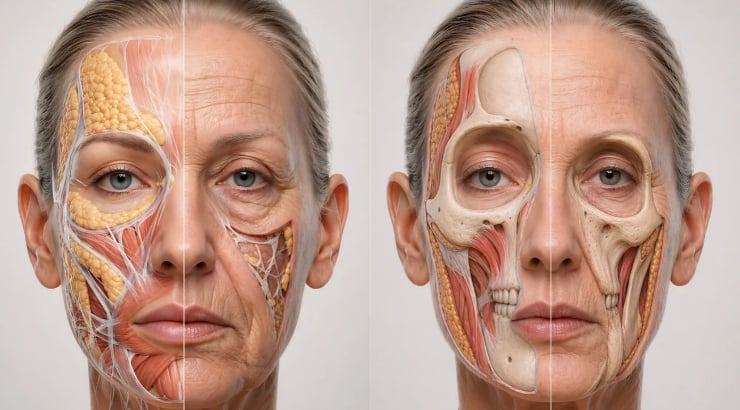
At Design Your Regeneration, we used the analogy of the face as a house. The skin forms the roof, facial fat, ligaments and muscles create the walls and supporting framework, and bone forms the foundation. Improving the health of the roof does not move a wall back into position, just as lifting the walls does not remove pigmentation or sun damage from the roof.
This is why regenerative medicine must remain grounded in anatomy. A BELLA Lift™ may be more appropriate when facial tissue has descended, while the EYELight360® considers the complete relationship between skin, eyelid anatomy, muscle, volume and support. The most natural plan often combines different disciplines because the face does not age in only one layer.
The Impact Of A Four-Dimensional Approach
Depending on the individual patient, the plan may include selective lipofilling, fat-derived tissue approaches, resurfacing and muscle balancing. It is not a standard recipe, and it is not simply a fat facelift. Its purpose is to ensure that regenerative treatments remain part of a coherent facial plan rather than being used in isolation because they sound advanced.
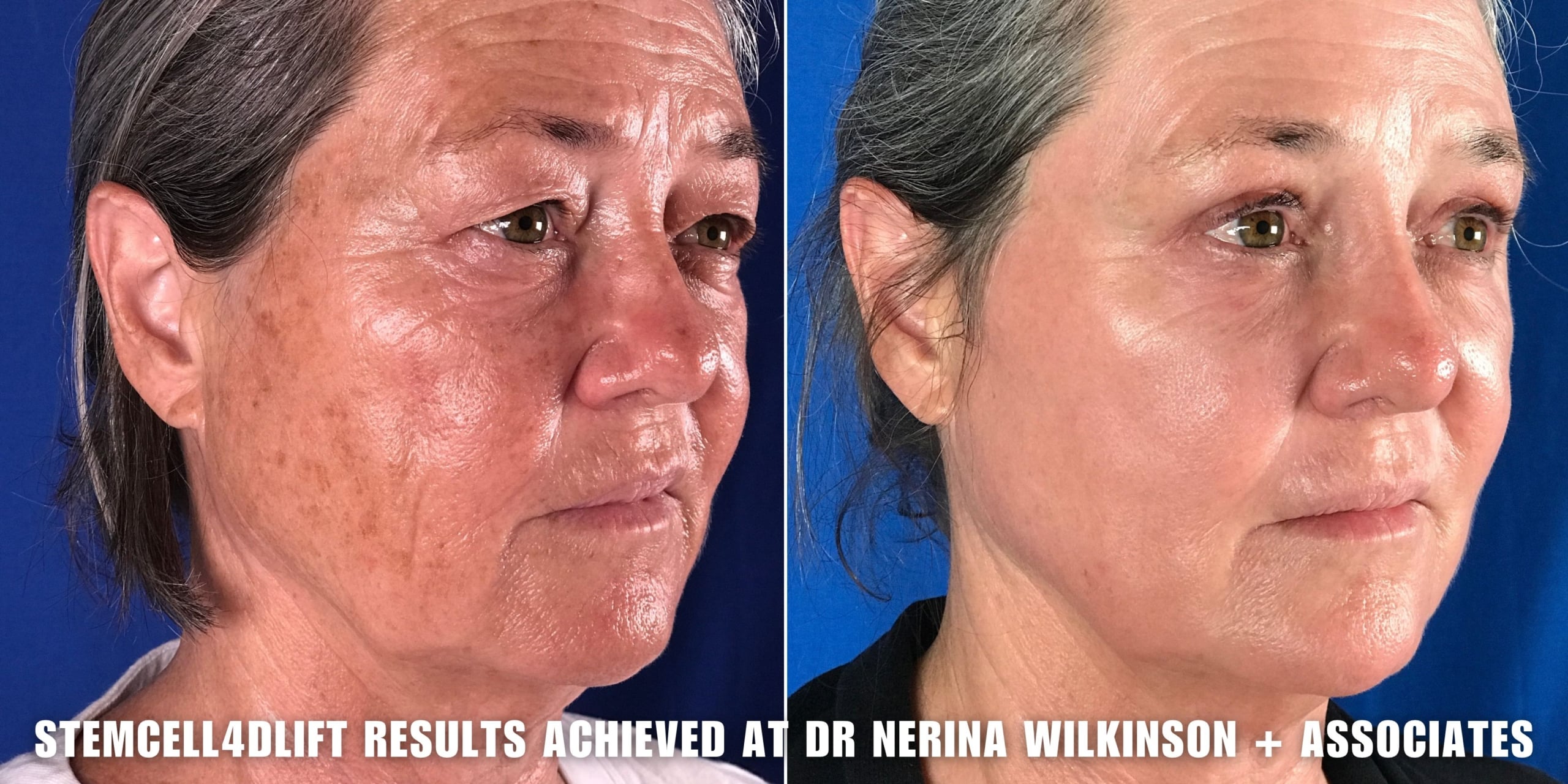
Intelligent Ageing is not the pursuit of agelessness. It is the art and science of understanding how the face is changing, protecting what remains healthy and intervening thoughtfully when there is a meaningful reason to do so.
The future of regenerative aesthetics will depend not on one miracle product, but on better diagnosis, thoughtful integration and honest communication.
Frequently Asked Questions
What is regenerative aesthetics?
Regenerative aesthetics refers to treatments that aim to support tissue quality, repair or biological function. These may include platelet-rich preparations, autologous fat transfer and selected fat-derived tissue approaches.
Is collagen stimulation the same as regeneration?
Not necessarily. Collagen stimulation is usually better described as biostimulation or repair. Healthy tissue also depends on elastin, blood supply, extracellular matrix, cellular communication and barrier health.
Is PRP a stem-cell treatment?
No. PRP is prepared from the patient’s blood and contains platelets and biological signals involved in healing. It does not provide the same cell populations as fat-derived tissue or laboratory-developed stem-cell therapies.
Can regenerative aesthetics replace plastic surgery?
Regenerative treatments may improve tissue quality, but they cannot reliably reposition significantly descended tissue or remove substantial excess skin. Surgery may be more appropriate when the concern is primarily structural.
Are treatments made from my own body always safer?
Autologous treatments may avoid certain risks associated with foreign substances, but they still require appropriate patient selection, sterile processing, anatomical knowledge and informed consent.
Interested in your own regenerative aesthetics treatment plan? Email us at capetown@drnwilkinson.co.za to book your personalised consultation today.