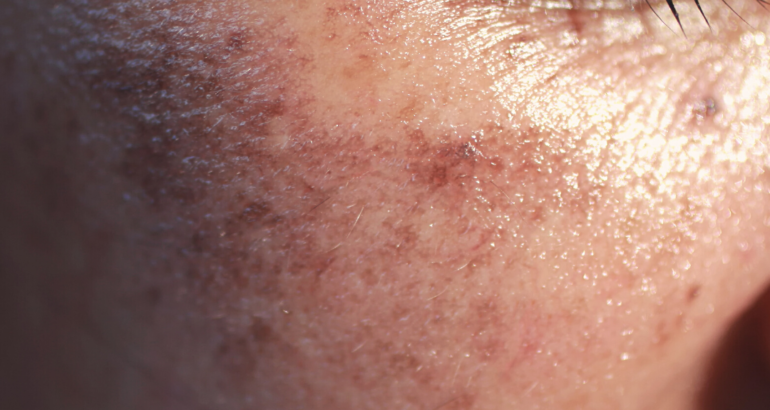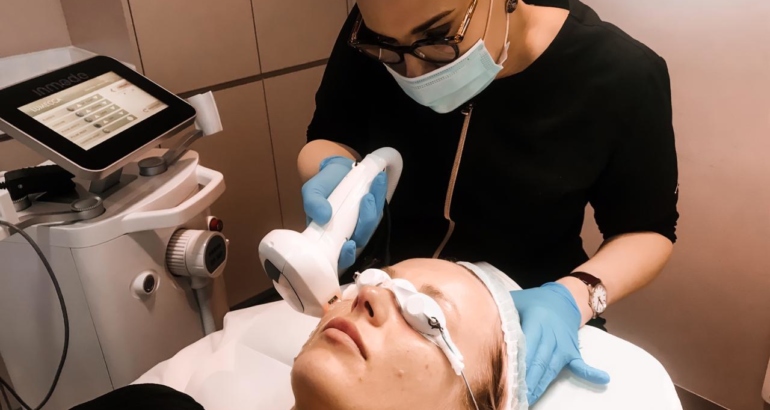

LED light therapy has become one of the most searched skincare topics over the past few years — and for good reason. From acne and pigmentation to ageing support and redness reduction, LED technology holds strong scientific credibility. But with the rise of at-home LED masks and social-media hype, many patients are left wondering: Should I invest in a home LED mask, or are clinical LED treatments still necessary?
As a medical-aesthetic skincare specialist at Dr Nerina Wilkinson + Associates, I understand how confusing it can be to compare devices that look similar but deliver very different outcomes. And because your skin health and safety are our priority, this article will help you understand the true difference — backed by science, not trends.
What LED Light Therapy Actually Does (in Simple Scientific Terms)
LED (Light-Emitting Diode) therapy uses specific wavelengths of visible and near-infrared light to stimulate biological processes within the skin. Each wavelength targets different skin concerns:
Red light, typically in the 630–660 nm range, is best known for stimulating collagen and elastin production. It also helps reduce inflammation, making it a key wavelength for anti-ageing and overall skin rejuvenation.
Blue light, which operates between 405 and 450 nm, is primarily used to target acne. It works by destroying acne-causing bacteria, specifically Cutibacterium acnes, helping to reduce active breakouts and prevent future flare-ups.
Near-infrared light, usually ranging from 800 to over 900 nm, penetrates more deeply into the skin and underlying tissues. This wavelength supports cellular repair, accelerates wound healing, and stimulates deep collagen production, making it valuable for recovery, skin strengthening, and regenerative treatments.
Yellow or amber light, within the 570–600 nm range, is particularly effective for calming the skin. It helps reduce redness and irritation while supporting lymphatic flow, which can improve overall skin tone and reduce puffiness.
Peer-reviewed studies show that LED stimulates mitochondrial activity (cellular energy production), which drives repair, collagen synthesis, improved healing, and controlled inflammation. However, outcomes depend entirely on device strength, wavelength accuracy, and treatment dosing, which is where medical-grade vs home gadgets differ dramatically.
In short: Home LED masks can support skin health but cannot replace the precision, power, or therapeutic results of medical-grade LED in a clinical setting.
What LED Therapy Looks Like at DR Nerina Wilkinson + Associates
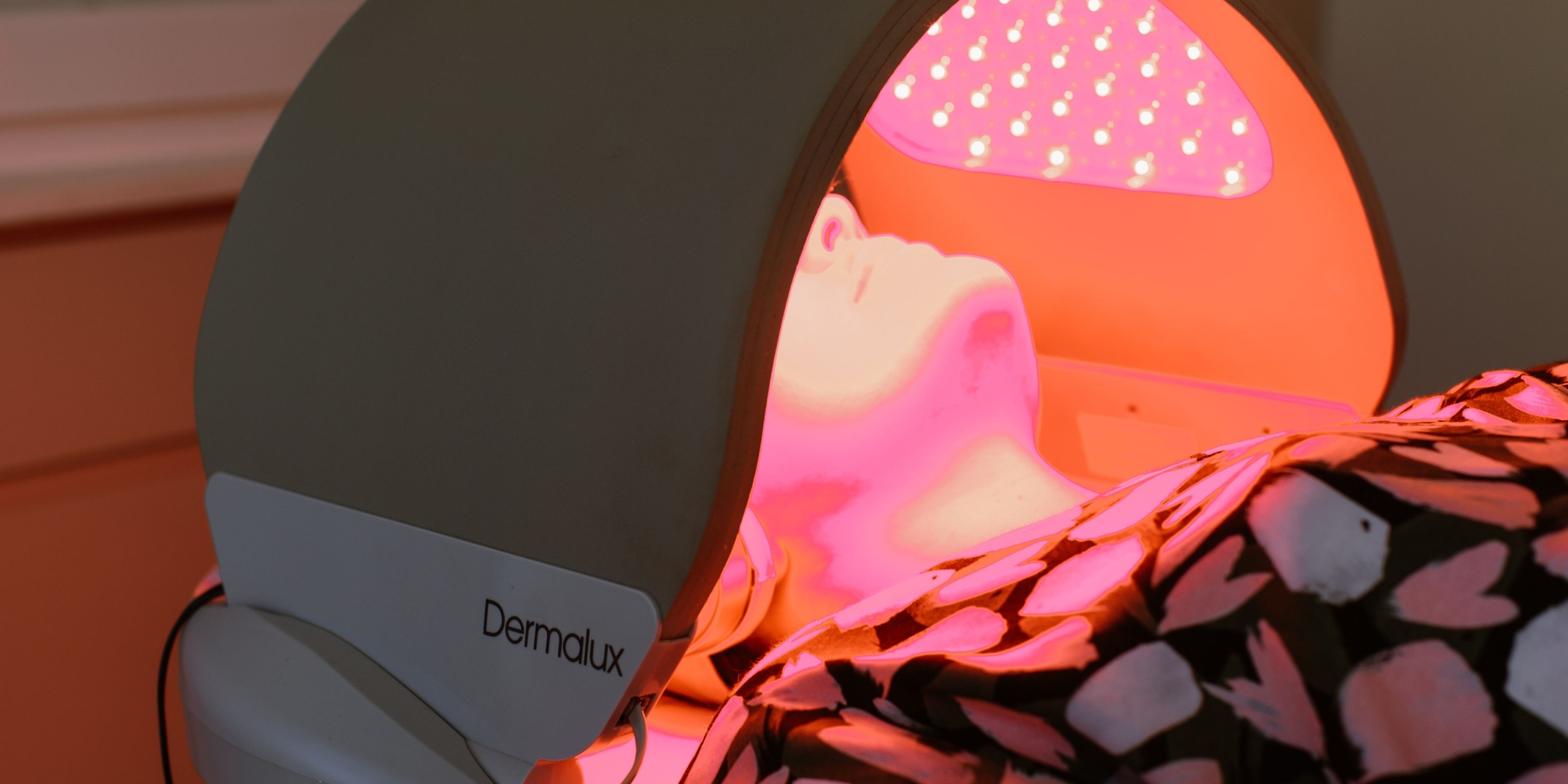
Our clinic offers both in-clinic medical-grade Dermalux LED phototherapy for targeted, results-driven treatments, as well as the Unicskin at-home LED mask for patients who want to maintain and support their skin results safely and conveniently at home.
Dermalux LED Light Therapy
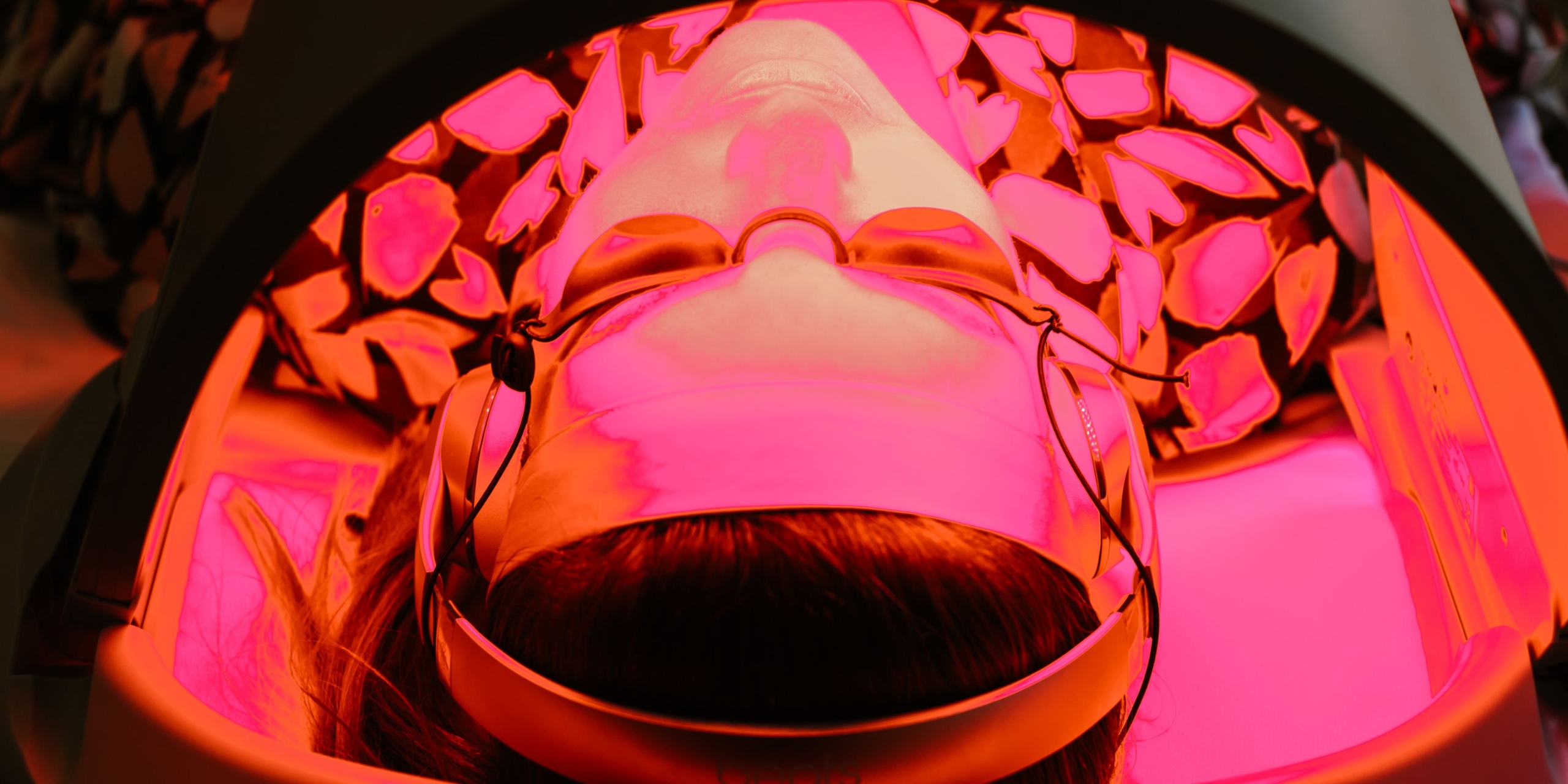
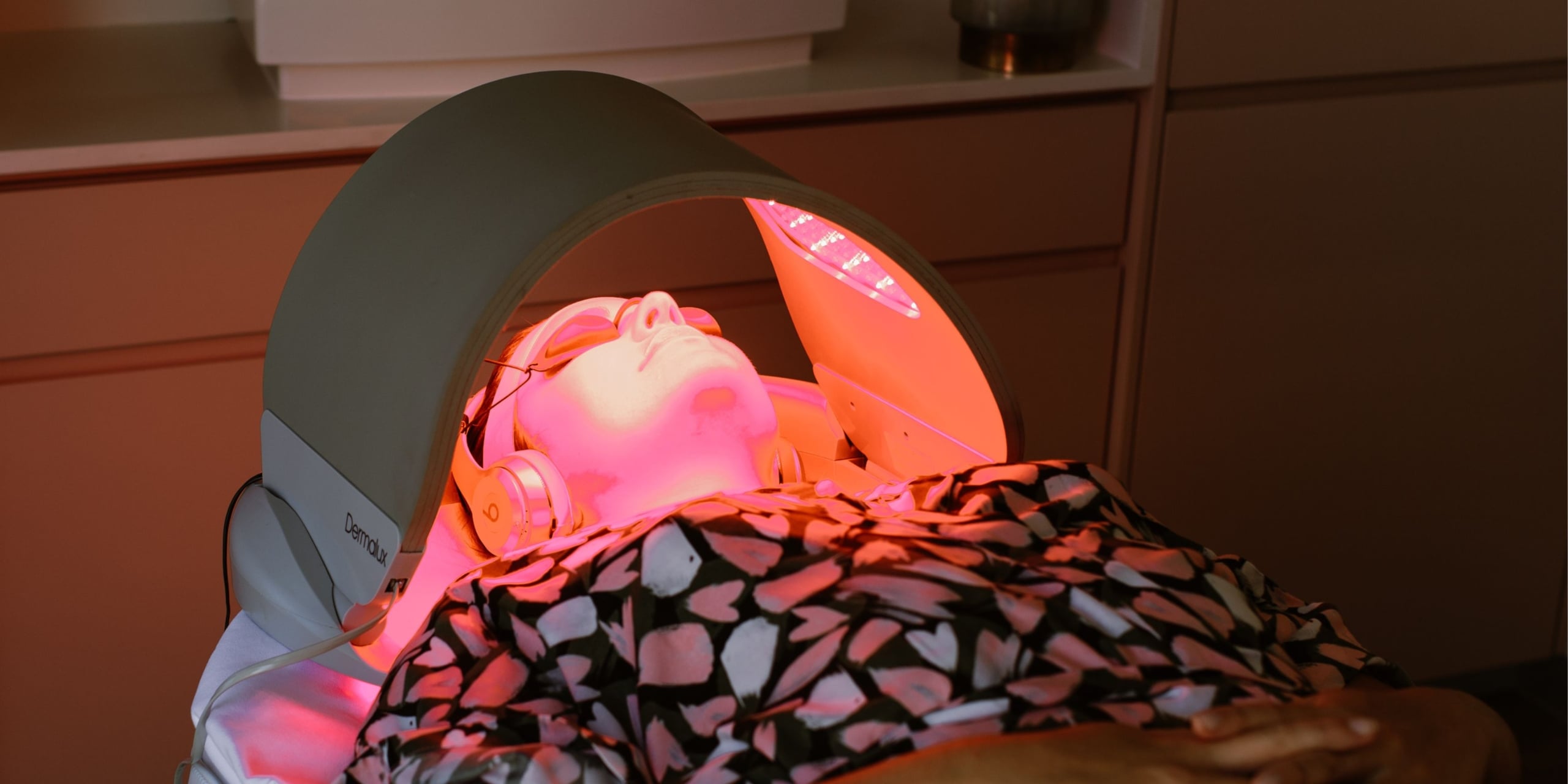
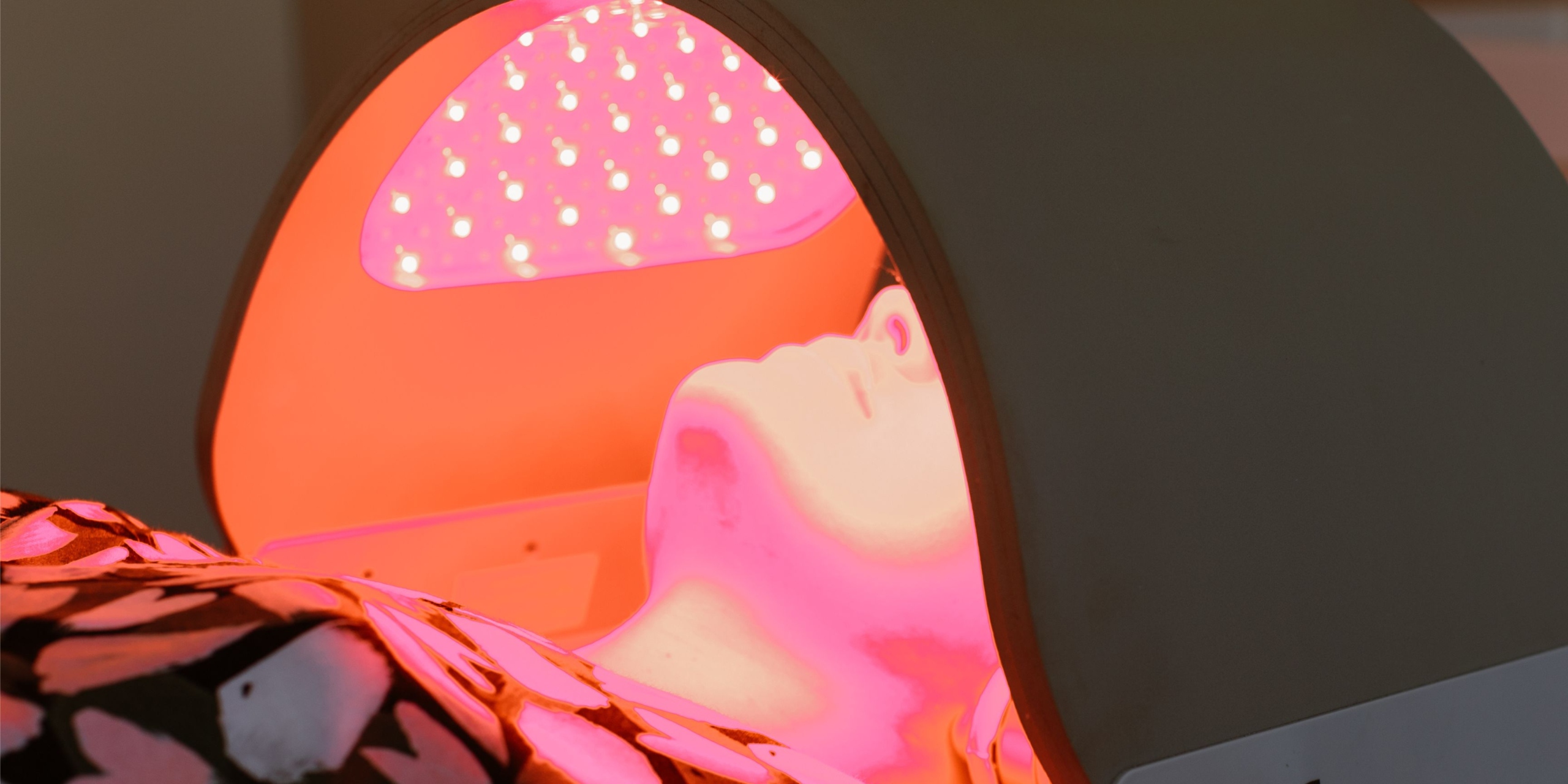
Dermalux LED Light Therapy is a medical-grade, in-clinic LED light treatment that uses clinically proven blue, red and near-infrared wavelengths to stimulate cellular repair, boost collagen, reduce inflammation and support skin healing. It is non-invasive, pain-free and delivers targeted results under professional supervision.
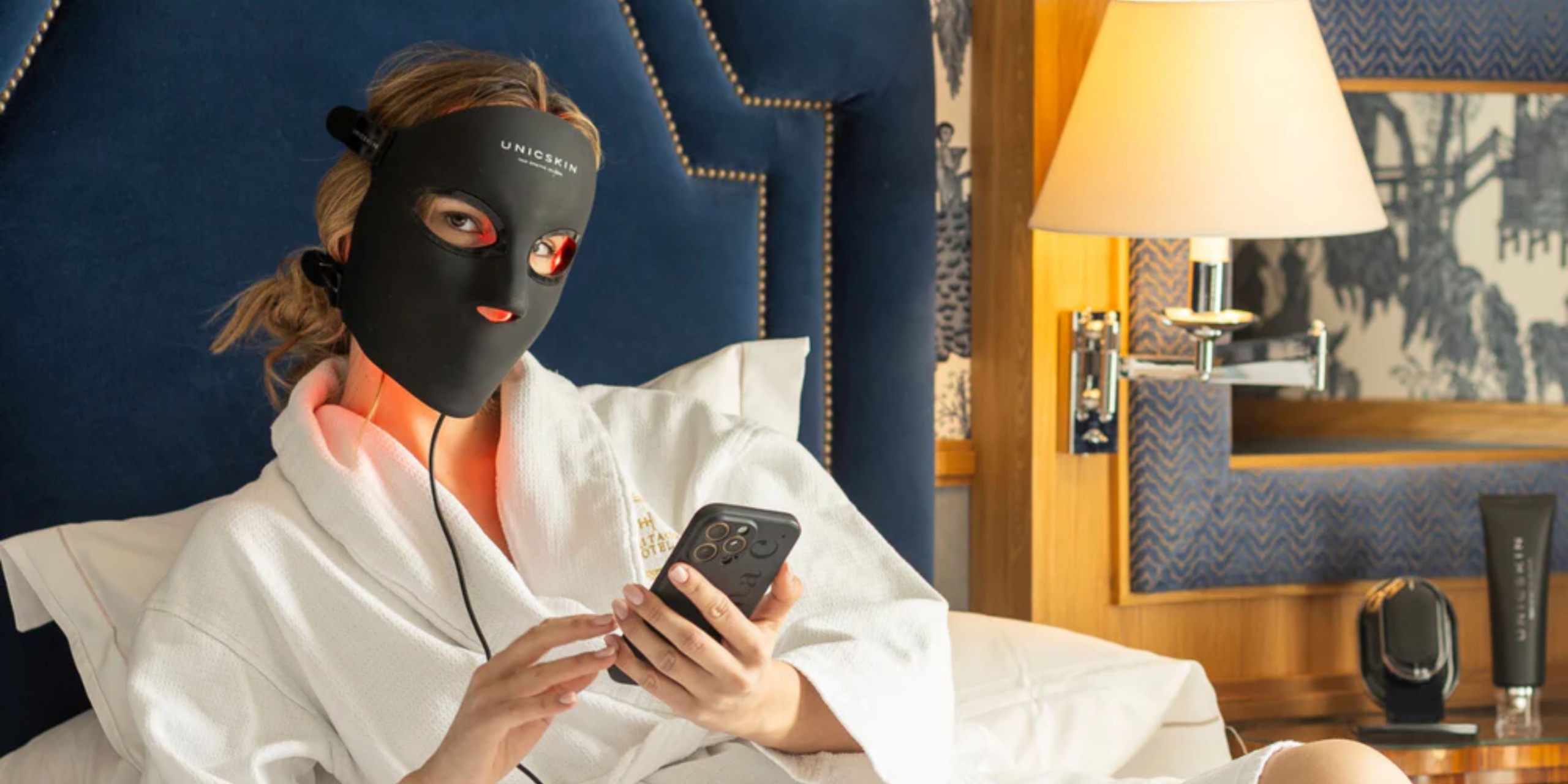
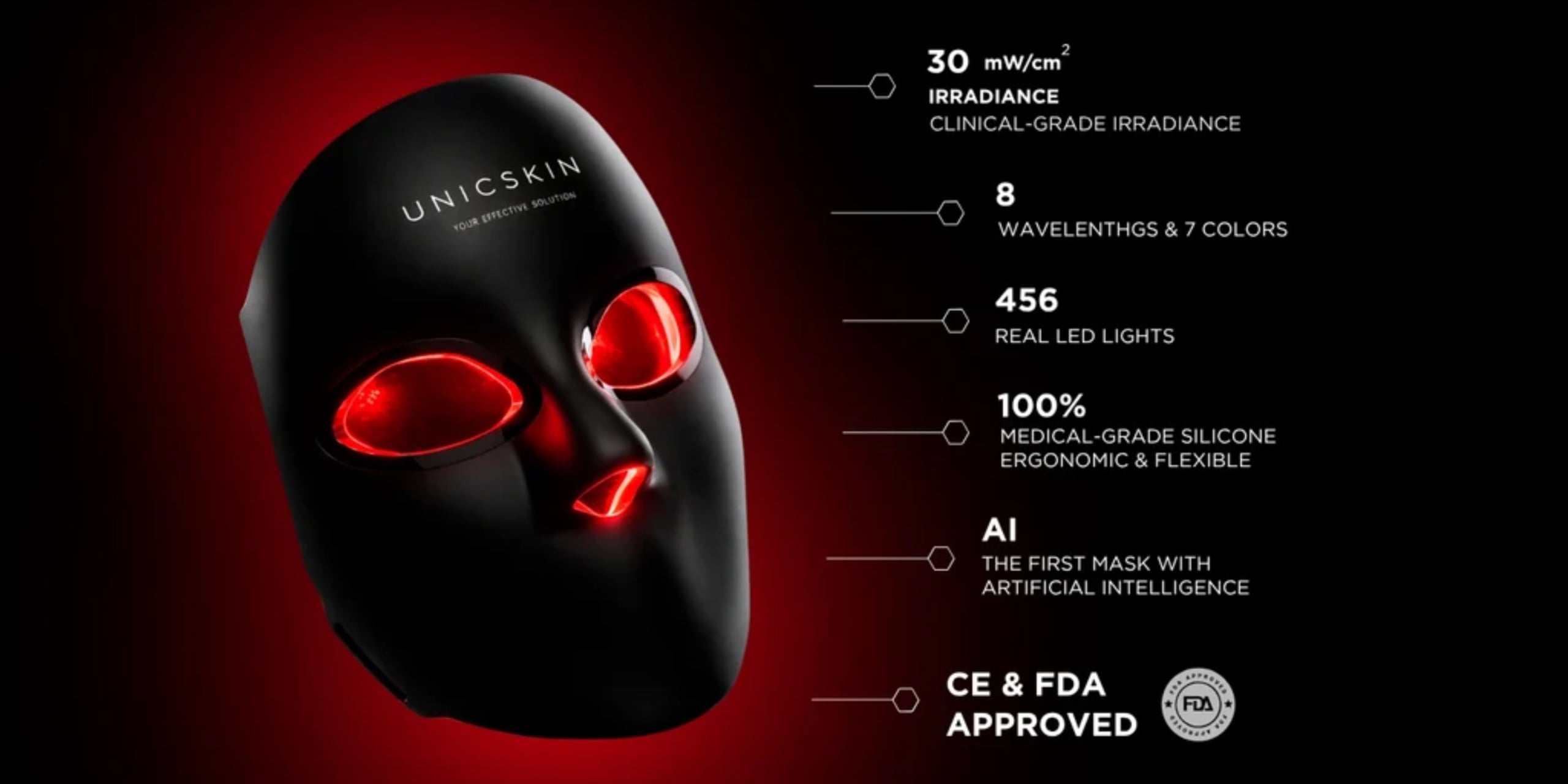
Unicskin 5.0 Centurion Korean LED Mask
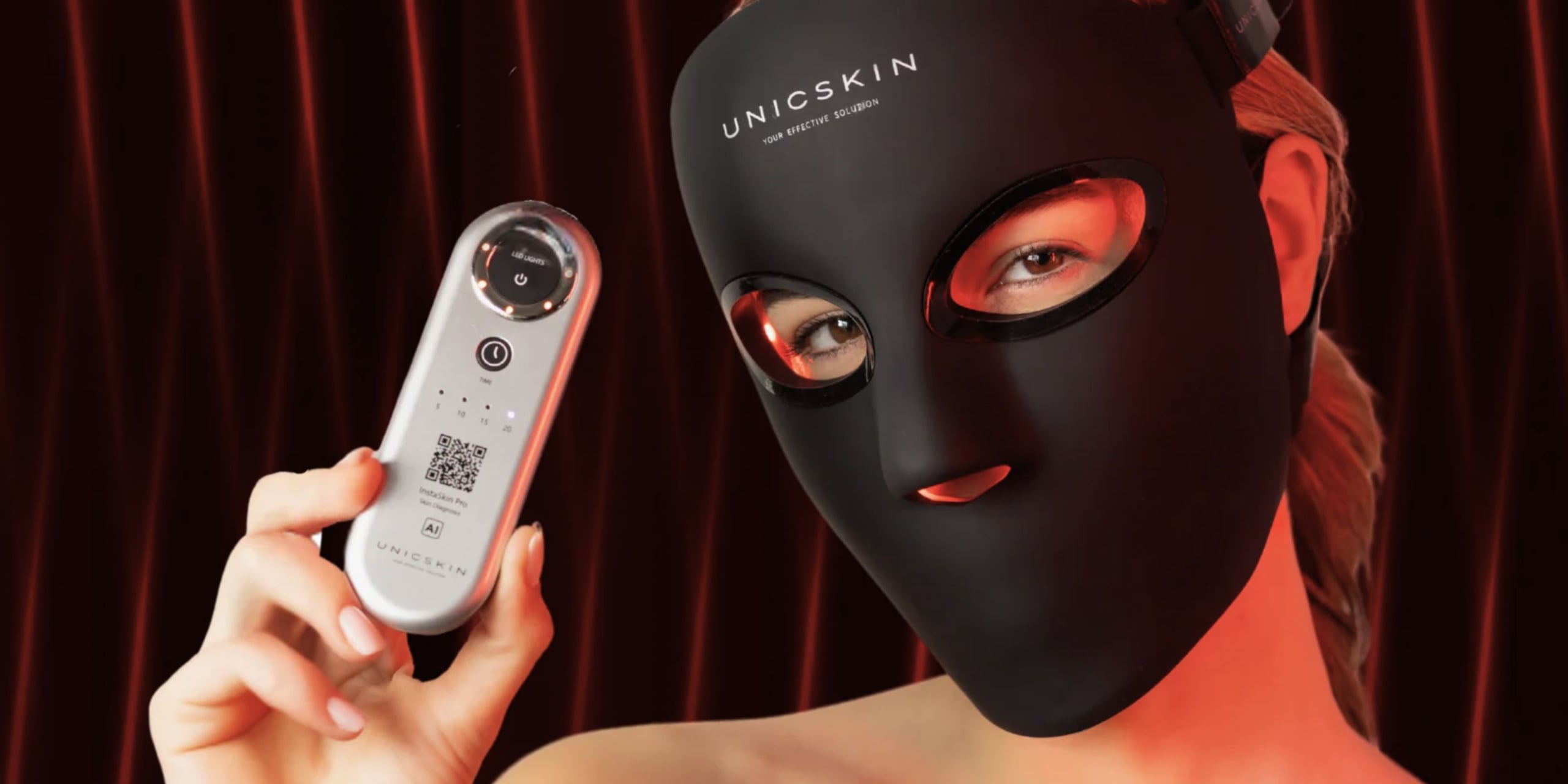
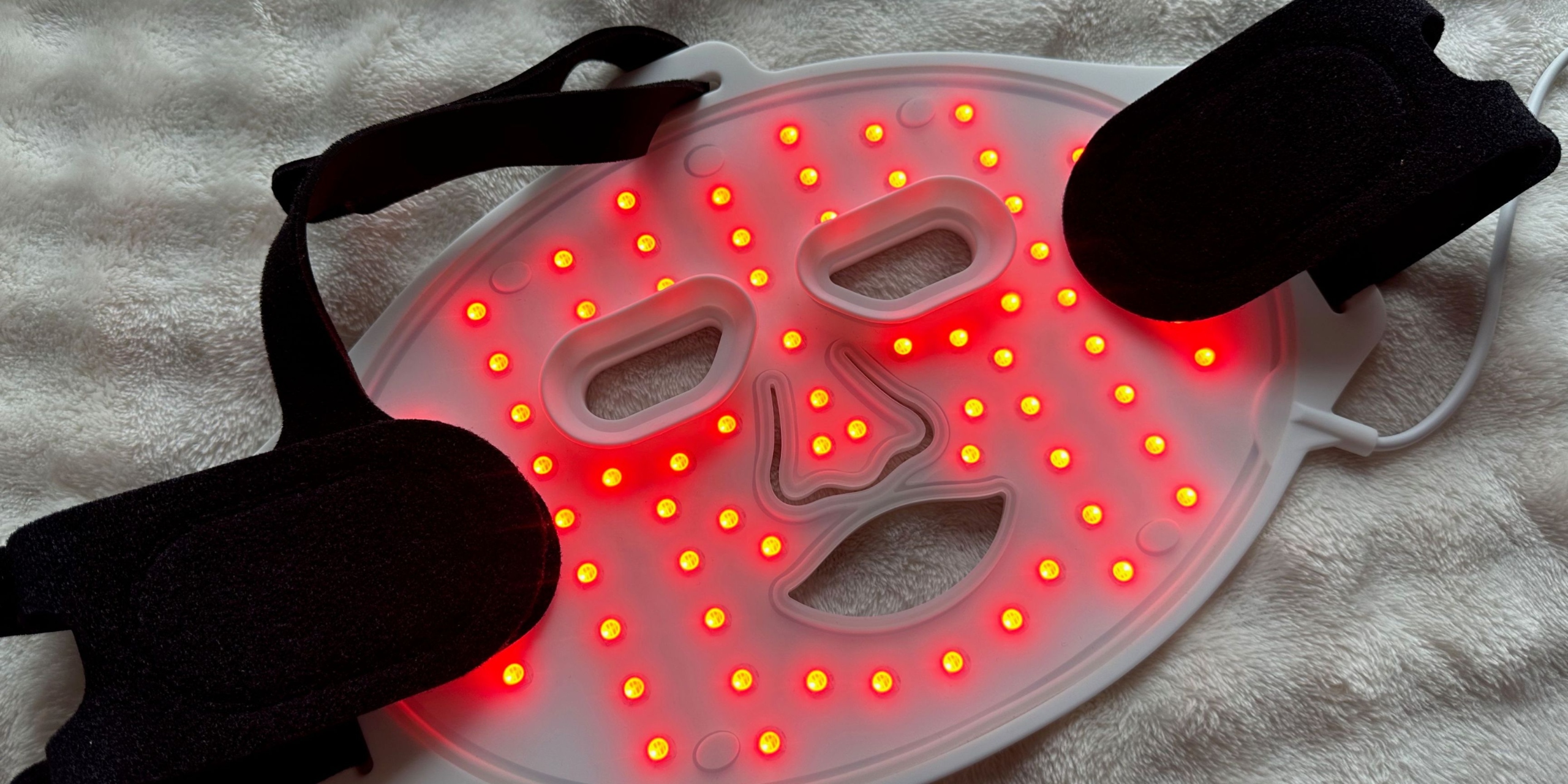
The UNICLED 5.0 Centurion Korean Mask is an advanced LED and Near-Infrared (NIR) facial treatment designed to visibly improve skin in just 20 minutes, with no pain or needles. Featuring 528 optimised LEDs across 8 wavelengths and 7 light colours, it delivers comprehensive full-face treatment for anti-ageing, acne control, skin repair, and overall rejuvenation.
Wireless, ultra-light, and ergonomically designed, the mask is made from medical-grade, 100% antibacterial silicone for a comfortable, non-marking fit and safe sharing. Built-in silicone eye protection ensures a relaxing and secure experience.
In short: Unicskin Home LED masks can support skin health, but they cannot replace the precision, power, or therapeutic impact of medical-grade Dermalux LED delivered in a clinical environment.
Integrated Medical-Grade LED Light Therapy
At our clinic, Dermalux LED therapy is delivered using next-generation, medical-grade platforms that emit precise wavelengths at clinically effective yet safe intensities. Each treatment is fully customised to your skin biology, specific concerns, and long-term goals.
LED therapy is seamlessly integrated into many of our advanced treatments, including the 3D MD PRP, 3D Bespoke Treatment, 3D Medical Skin Needling, Bespoke Recovery Boosters, and selected post-procedure recovery protocols, among others.
Dermalux LED Light Therapy is included in all of our signature skin treatments and can be added to a wide range of other procedures. This approach ensures LED therapy is used as a purposeful regenerative modality — not a trend-driven add-on — to optimise healing, results, and overall skin health.
Benefits of Medical-Grade LED Light Therapy
When administered professionally, LED light therapy can:
- Stimulate collagen and elastin for firmer, smoother skin
- Reduce inflammation and persistent redness
- Improve acne and help prevent future breakouts
- Support pigmentation management
- Accelerate healing following aesthetic procedures
- Strengthen the skin barrier
- Enhance overall radiance and skin quality
Results are cumulative, and when LED is correctly dosed, its long-term regenerative benefits are clinically proven.
Can Home LED Masks Still Be Useful?
Yes — when used responsibly and with realistic expectations. Home LED masks can help:
- Maintain results between in-clinic treatments
- Support mild inflammation and redness
- Improve skin vitality and glow over time
However, they are not recommended as a standalone solution for active acne, melasma, scarring, or signs of ageing. These concerns require professional technology, assessment, and monitored treatment plans.
LED Light Therapy Risks And Limitations
While LED therapy is safe for most people, there are exceptions.
Avoid LED light therapy if you:
- Have epilepsy triggered by light
- Are taking photosensitising medications (e.g., certain antibiotics, isotretinoin)
- Have active skin cancer
- Have uncontrolled melasma (blue light may worsen pigmentation)
Using any LED light device incorrectly can lead to irritation, worsening acne, or increased pigmentation – especially without specialist guidance.
Frequently Asked Questions About LED Light Therapy
How often should I do LED treatments?
Clinic LED: typically weekly or as prescribed for 6–12 sessions.
Home LED: 3–5 times per week for maintenance. Consistency matters more than intensity at home.
Are the results from home LED masks permanent?
No. Home LED supports the skin but does not create structural change. Results depend on ongoing use.
Can I combine in-clinic LED therapy with my home LED mask?
Yes — when guided by a specialist. It can extend your results, especially after in-clinic regenerative treatments.
Do more colours mean better results?
Not necessarily. Wavelength precision and power matter far more than colour variety.
Is LED light therapy painful?
Not at all. LED is non-invasive, comfortable, and requires zero downtime.
Moral Of The LED Light Story?
The LED conversation isn’t about choosing between clinic and home — it’s about understanding that they are not equal, and they do not serve the same purpose. Clinic-grade LED is a targeted medical tool designed for therapeutic skin repair and regeneration. Home LED can complement this journey — but should not replace expert-guided care.
Your skin deserves precision, not guesswork.
If you’re curious about LED therapy or unsure whether a home device is right for you, we welcome you to schedule a consultation with our skincare specialists. At Dr Nerina Wilkinson + Associates, every treatment plan is scientifically designed, medically supervised, and tailored to your unique skin — because long-term skin health is never one-size-fits-all.