By Aesthetic Doctor, Dr. Tracey Garner
Menopause isn’t just a chapter in your life ‘health journal’ – it’s a full-on lifestyle shift that can redefine how your skin looks, feels, and behaves. With Dr Nerina Wilkinson + Associates, we celebrate the elegance of aging with intention, science, and a dash of runway-ready poise. Think of this as your couture guide to understanding how menopause affects your skin and the best treatments to keep it radiant, resilient, and beautifully you.
Why Does Menopause Age Skin?
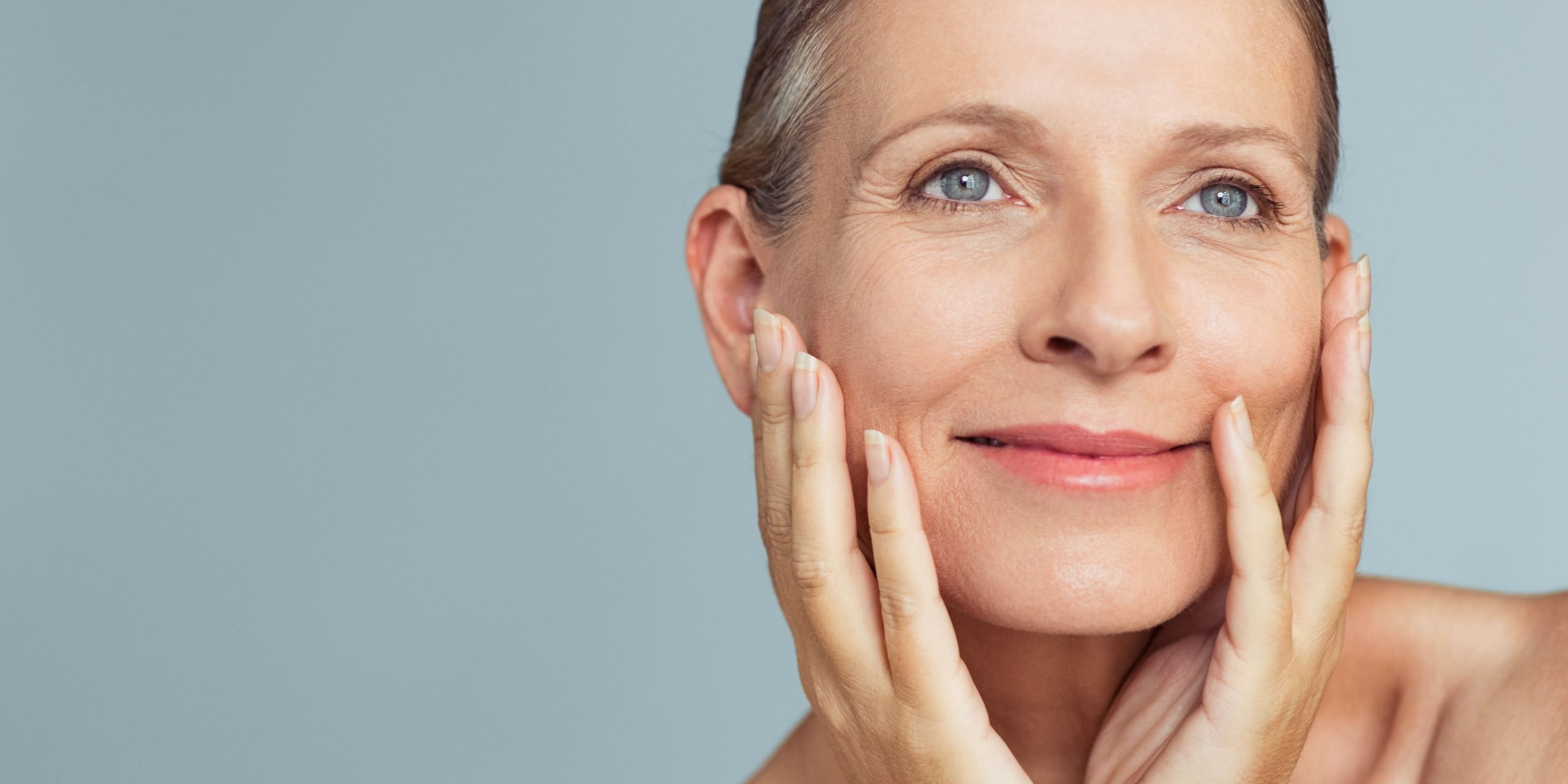
When peri-menopause and menopause set in, hormonal shifts change the set. Estrogen exits the stage and your skin rewrites its script. The hormonal decline during menopause triggers a cascade of changes that alter the skin’s texture, tone, and resilience.
- Collagen decline: Estrogen supports collagen production and slows its breakdown. With menopause, collagen synthesis slows, and existing collagen fibers lose their organized matrix. As the skin loses firmness and structure, the result is the visible hallmarks of collagen loss, such as fine lines, a less taut appearance, and saggy jowls. Also entering the stage are nasolabial folds and melomental lines (or a ‘mouth-frown’).
- Elasticity loss: Reduced collagen and elastin turnover means that the skin’s structural and elastic rebound network frays more rapidly. The skin loses its ability to stretch and rebound or ‘jump back’ which results in sagging and laxity, especially in the mid-face and jawline.
- Hydration drop: Estrogen helps regulate hydration by supporting the production of glycosaminoglycans (like hyaluronic acid), which affects skin plumpness and barrier function. Menopause ushers in a drier, thirstier skin, which looks thinner and leaves the surface texture rougher and the complexion duller.
- Barrier vulnerability: Lipid production also wanes during menopause, weakening the outermost skin barrier. The skin barrier is vital for protecting the deeper structures from external factors like heat and UV and also to keep the skin hydrated – essentially it keeps the ‘bad stuff’ out, and the ‘good stuff’ in. This loss of barrier function during menopause makes skin more sensitive, reactive to environmental aggressors, and prone to redness or irritation. The result is skin that may be more break-out-prone, more easily pigmented, and drier, more fragile, and more translucent.

The answer to why menopause ages the skin lies in the interplay between hormonal decline and structural changes. The good news? Understanding the mechanisms opens the doors to targeted, effective care. We can improve the skin barrier and increase collagen, elastin and skin hydration by planning the correct customized treatments. Optimizing your hormonal balance by supporting your doctors with hormones, supplements, and lifestyle changes is also vital for managing your menopausal skin health.
Common Skin Concerns During Menopause
From dryness and sensitivity to sagging and pigmentation, menopausal skin faces recurring challenges:
- Dryness, sensitivity & inflammation: A drier surface means more roughness, irritation, and redness. For some, this escalates into rosacea-like flares because the barrier’s defense is compromised. Superficial blood vessels may also become more prominent.
- Loss of firmness & sagging: Collagen and elastin decline lead to sagging along the jawline as well as nasolabial folds and down-turned mouth corners. The sagging causes loss of facial contour as well as a volume shift from the top half of the face to the bottom half. The loss of collagen and elastin also weakens the skin’s scaffolding, causing crepiness and fine lines.
- Thinning skin & crepiness: As the epidermis thins, vascular networks become more visible, and the skin becomes more fragile – like fine silk that requires careful handling.
- Pigmentation & uneven tone: Estrogen loss influences melanocyte (the pigment cells) behavior, leading to mottled tone, age spots, and uneven pigmentation. Without good UV protection, this is often intensified by sun exposure.
- Other considerations: Cell turnover from the basement membrane to the surface of the skin slows down, which can cause a dull, congested appearance. Visible scars, facial asymmetry and lifestyle factors such as sleep, stress, and sugar intake can also amplify the signs of ageing.
Your menopausal skin is a bit like hand-crafted couture fabric: exquisite, delicate, and deserving of tailored care.
Why Skincare Alone Isn’t Enough
You’ll often hear that “skincare is king,” but menopausal skin has a biological ceiling where topical methods alone can’t fully compensate for the changes happening in the skin.
- Limited penetration: Most over-the-counter actives work in the epidermis or superficial dermis. The deeper fat and fibrous layers are harder to influence without advanced modalities. Medical-grade products with good delivery and penetration systems and high-quality active ingredients become essential in your skincare routine. You may also need to add medical skin treatments such as microneedling and laser to ensure that the health of your skin is maintained.
- Hormone-driven remodeling: Collagen production, fibroblast activity, and lipid synthesis are hormonally driven and decline during menopause. Topical skincare products can support the surface, but meaningful structural changes often require medical-grade interventions. Collagen stimulation of the subcutaneous connective tissue as well as volume and foundational support, are all part of the multi-modal approach that is required to take care of your ageing menopausal skin. You may require hormonal balancing as well as nutritional and lifestyle support. Often, the best approach is to have the support of a multi-disciplinary team.
- Barrier vulnerability: A compromised barrier means products can irritate or worsen sensitivity unless carefully formulated. Often, the initial treatment phase is gentle and supportive to enhance barrier function before more intensive treatments can be done to reduce pigmentation, fine lines, and target the effects of collagen loss.

Skincare is your daily wardrobe, where classic quality and good ingredients are essential. Advanced treatments are your tailored couture – requiring the personalised guidance of an expert in skin ageing and menopause. This is where your aesthetic skincare therapist and doctor need to step in.
The Best Treatments for Menopausal Skin
Through personalised, evidence-based treatments and deeply nurturing care, Dr Nerina Wilkinson + Associates’ signature Menomastery™ Skin program helps you preserve radiance, strength, and feminine wellbeing through every stage of menopause — so you can move into this next chapter feeling luminous, supported, and fully yourself. Through Menomastery, we support a tiered, evidence-based approach that respects your goals and biology.
Collagen Restoration Treatments
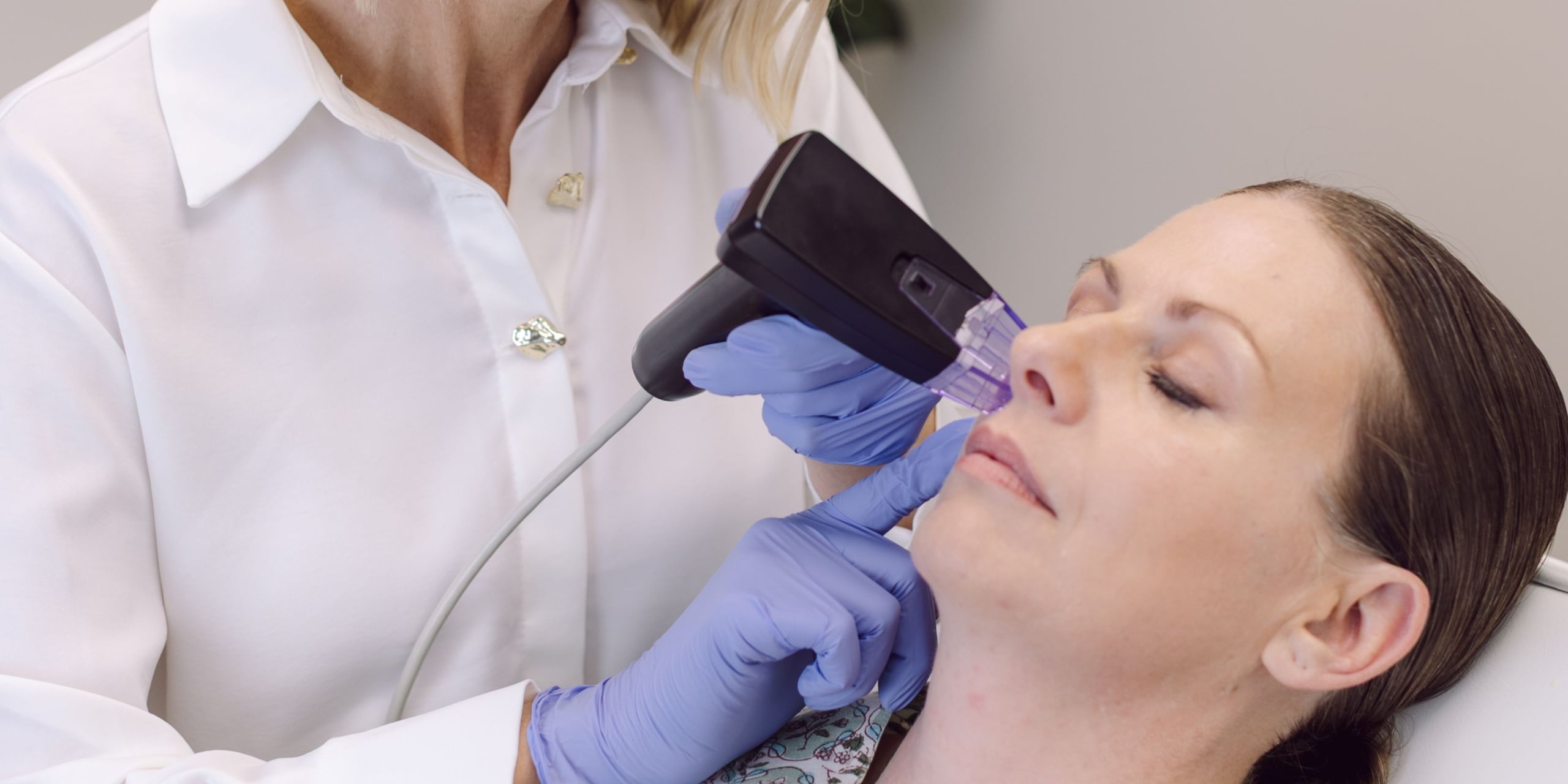
- RF (radiofrequency) Microneedling: Stimulates neocollagenesis, improves dermal density, and refines texture. It can also be used to remodel stubborn fat pockets and to reduce puffiness around the eyes, also unfortunate repercussions of menopausal changes and ageing. Other collagen-stimulating treatments, such as Forma Radiofrequency and ClearLift, may also be useful.
- Microneedling: Microneedling provides gentle physical collagen stimulation through the repeated action of the needles and it also improves the penetration of active ingredients. It is a wonderful maintenance treatment for menopausal skin changes, especially when combined with other modalities such as peels and the addition of active ingredients.
- Regenerative injectables: Platelet-rich therapies such as PRP (Platelet-rich plasma) and PRF (platelet-rich fibrin) release growth factors which enhance cellular function, hydration and resilience.
- Nano fat grafting: Nanofat and Adipose-derived stem cells provide volume, improve skin quality, and refresh contours. These beautiful autologous cells can stimulate your tissue to behave in a more functional and youthful way. They are regenerative and natural and are the future of anti-ageing medicine
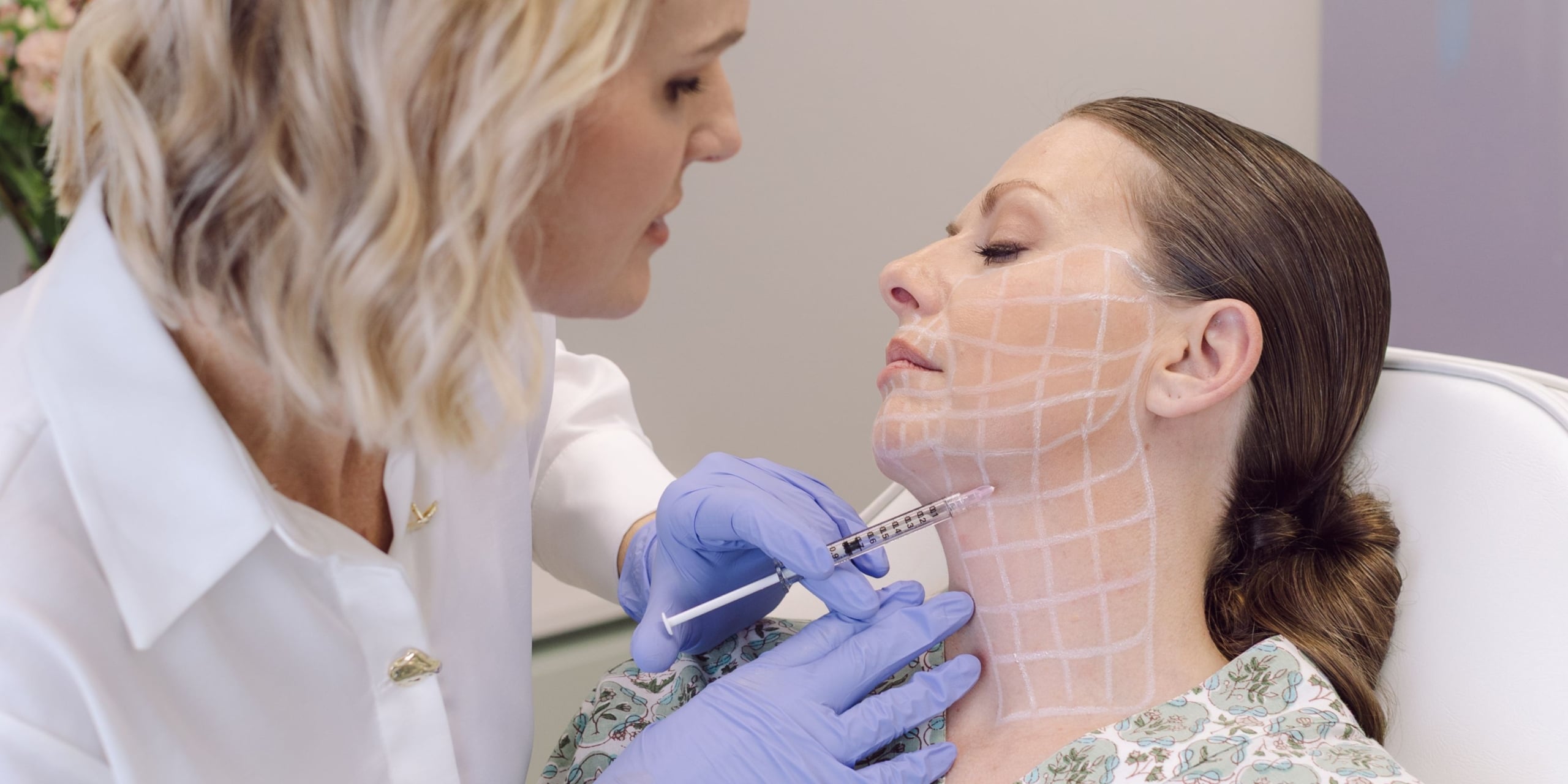
Injectables for Fine Lines and Structural Support
- Low-dose Neuromodulators: Botulinum Toxin softens dynamic lines without stiffness, preserving natural mobility. It also has the ability to lift the brows and open the eyes, gently lift the jawline, and improve the quality of the skin subtly.
- HA (hyaluronic acid) Skin Boosters: HA skin boosters deeply hydrate and plump the skin. They have a biostimulatory effect on the skin, stimulating natural hydration channels like Aquaporin III and also stimulate collagen and elastin fibers. Hyaluronic acid-based skinboosters improve your skin barrier and integrity, leaving you with beautiful, smooth, glowing skin.
- HA (hyaluronic acid) Dermal Fillers: HA dermal fillers restore subtle contour and plumpness in the cheek or under-eye hollows. They are vital for supporting the foundational losses associated with menopausal changes and are also extremely useful in correcting asymmetry, which often becomes more pronounced as ageing sets in. As HA dermal fillers restore the foundation, they provide the perfect structure to drape the skin over and add highlights to the glow of healthy menopausal skin.
Skin Quality & Texture Treatments
- Chemical peels: Accelerate turnover, brighten pigmentation, and improve dullness.
- Laser treatments: Fractional and non-ablative lasers address fine lines, texture, and pigment. IPL (intense pulsed light) treatments are excellent for addressing pigmentation, redness, and vascularity.
The array of treatments available for menopausal skin concerns is best utilized when they are planned and customized by your aesthetic doctor and skincare therapist. They provide the best results in combination with a tailored homecare routine as well as a consistent approach to stimulating and restoring your skin. It is recommended that you do an active skincare treatment every 4 to 8 weeks, with more intense treatments course planned once a year, during the cooler months. This approach isn’t about erasing time – it’s about optimizing, tailoring and guiding your ageing process with finesse.
Hormones and Skin Health
Hormones are the invisible influencers behind your skin’s delicately designed fabric. Estrogen influences:
- Skin thickness and collagen production
- Lipid production in the epidermis
- Hydration and barrier integrity
Other players, like androgens, cortisol, and thyroid hormones, also shape skin health. An integrated multi-disciplinary approach ensures that hormonal balance, thyroid health, nutritional status, and lifestyle factors are evaluated together, aligning treatment choices with your overall well-being.
Personalized Skin Plans for Menopause
Menopausal skin ageing is not one-size-fits-all. A personalized plan considers:
- Hormonal profile and trajectory
- Medical history
- Skin type, sensitivity, and barrier health
- Degree of ageing signs (texture, sagging, pigment)
- Lifestyle factors: sleep, stress, exercise, sun exposure and nutrition
- Recovery tolerance and downtime preferences
- Budget and long-term maintenance goals
Your skin deserves a bespoke plan, expertly stitched to your biology and lifestyle.
Support Your Skin Through Menopause — Strategically
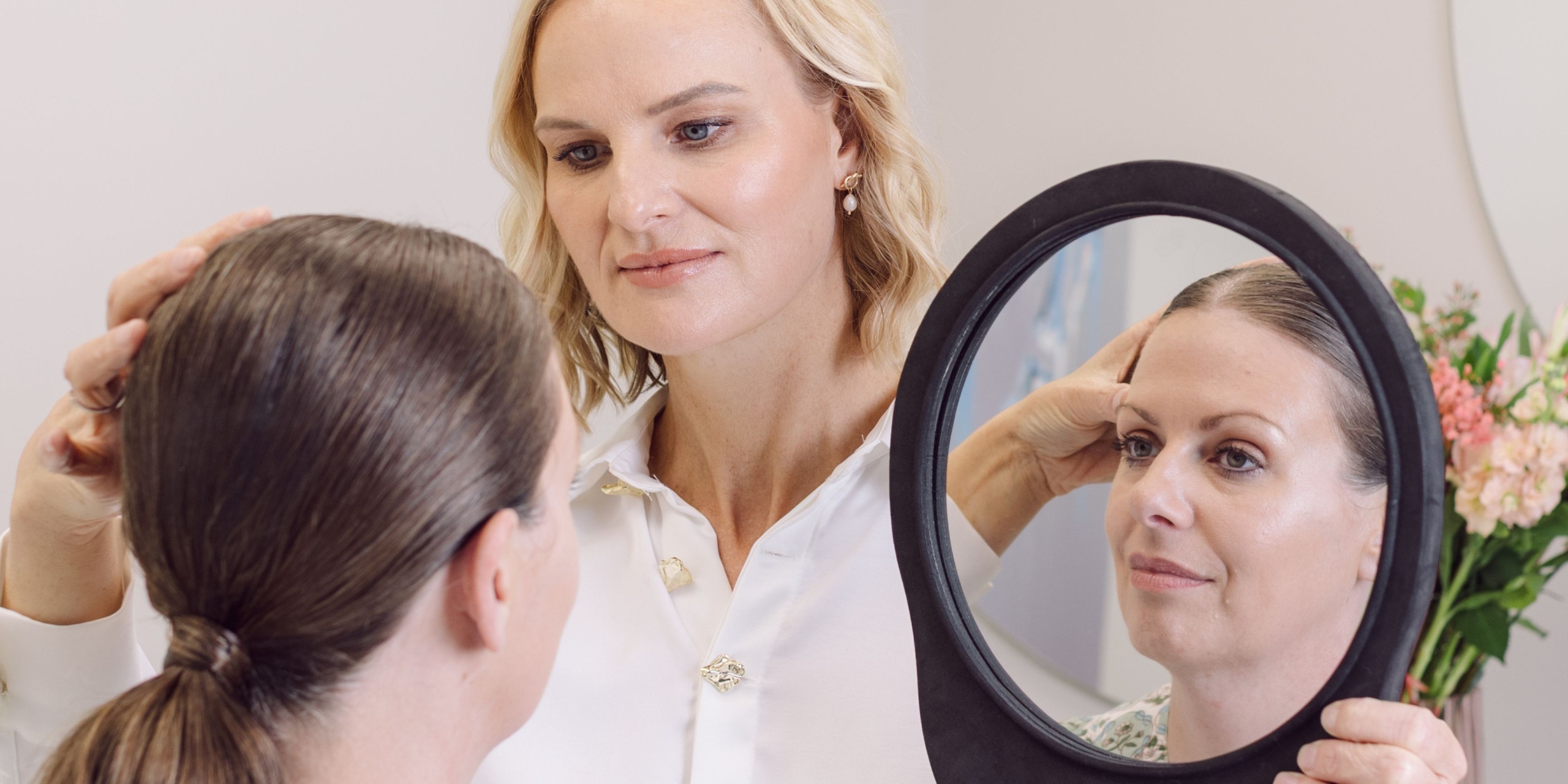
You don’t have to navigate menopausal skin changes alone. Menomastery offers a holistic, personalized pathway designed to reassure and empower you in your skin health journey through this vital transition. We are also able to plan supportive and regenerative treatment for intimate health as well as hair wellness during Menopause.
To get your own personalised Menomastery skincare plan started:
- Book a consultation to map your skin ageing trajectory
- Explore a layered approach: medical-grade skincare + selective in-office procedures.
- Commit to a sustainable routine: hydration, barrier health and sun protection.
- Track progress with your doctor using milestones and adjustments as hormones shift.
Sample Skin Plan Outline
Phase 1: Barrier Repair & Hydration
- Medical-grade cleansers and barrier-supporting serums
- Gentle exfoliation with sensitivity-aware formulations
- Broad-spectrum SPF and antioxidants
Phase 2: Texture & Tone Refinement
- Light peels or non-ablative resurfacing
- IPL or laser options for pigment balance
- Microneedling and / or RF microneedling sessions over several months
Phase 3: Structural & Collagen Enhancement
- Low-dose neuromodulators where appropriate
- Subtle fillers for foundation and contour restoration
- Regenerative injectables or nano fat grafting
Lifestyle Integration
- Prioritize sleep and stress management
- Nutrition rich in protein, healthy fats, antioxidants, and micronutrients (vitamin C, zinc)
- Gentle, consistent exercise for circulation and vitality
- Daily sun protection as a non-negotiable ritual
Think of this as your runway rehearsal – each phase restoring and layering your skin’s elegance.
Closing Thoughts
Menopausal skin changes are a natural part of aging, but they don’t have to define your look. With Menomastery’s philosophy – combining scientific insight, tailored medical treatments, and couture artistry, you can maintain a luminous, resilient complexion that ages with grace.
Your skin does not need to be a casualty of change – rather let it be a canvas of renewed confidence, crafted through thoughtful care and expert guidance.
Email us at capetown@drnwilkinson.co.za and start your personalised Menomastery™ Skin journey today.
By Aesthetic Doctor, Dr. Tracey Garner