By Dr Marisa Heyns, MBChB, MSc Aesthetic Medicine & Therapeutics
If you’ve ever looked at a clinic’s treatment menu and felt slightly overwhelmed, you’re not alone. Words like rejuvenation, regeneration and biostimulation are used everywhere in aesthetic medicine, often interchangeably, and rarely explained properly. As a result, many patients aren’t entirely sure what a treatment is actually doing — or whether it’s truly the right choice for their skin.
In this blog, I want to break down these terms in a clear, honest and practical way. Not from a marketing perspective, but from a medical one. When you understand how your skin ages and how different treatments work, you’re far more likely to feel confident in your decisions and happy with your results.
Ageing Is More Than Skin Deep
Ageing doesn’t happen overnight, and it certainly isn’t just about wrinkles. It’s a gradual biological process that affects every layer of the skin and the structures beneath it.
On the surface, ageing may show up as dullness, uneven texture, pigmentation or fine lines. Over time, those lines deepen and skin can start to feel looser. But underneath, bigger changes are taking place. Collagen, elastin and hyaluronic acid slowly decline. Skin cells become less efficient at repairing themselves. Facial fat pads thin and shift, and even the bone structure that supports the face subtly changes.
Because ageing happens at multiple levels, no single treatment can address everything. This is where understanding the difference between rejuvenation, regeneration and biostimulation becomes so important.

Skin Rejuvenation: Refreshing What You Can See
Skin rejuvenation is often where patients begin, and it plays an important role in any aesthetic plan. Rejuvenation focuses on improving the surface of the skin — how it looks, feels and functions day to day.
These treatments are designed to bring back brightness, smoothness and hydration. They help refine texture, even out skin tone and strengthen the skin barrier so the skin looks healthier and more radiant.
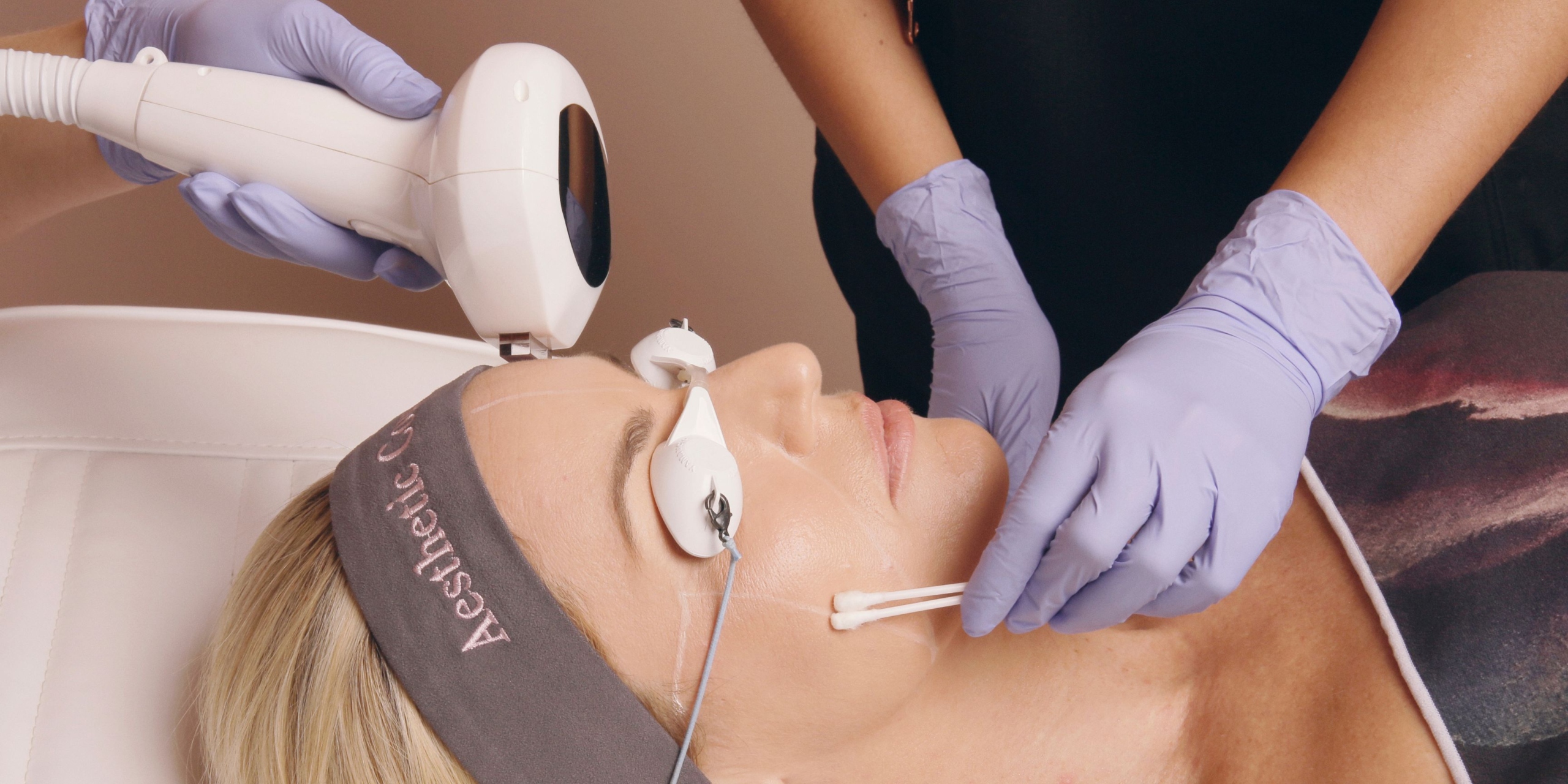
Medical-grade facials, chemical peels, light-based treatments such as IPL (intense pulsed light), superficial microneedling and well-formulated medical skincare all fall into this category. They work by encouraging healthy skin turnover and optimising the outer layers of the skin.
What’s important to understand, however, is that rejuvenation doesn’t rebuild deeper support structures. It won’t significantly tighten loose skin or restore lost volume. For those changes, we need to work at a deeper, regenerative level.
Regeneration: Supporting Your Skin’s Natural Repair Systems
Regeneration is where aesthetic medicine becomes less about “fixing” and more about supporting your body’s natural ability to heal and restore itself.
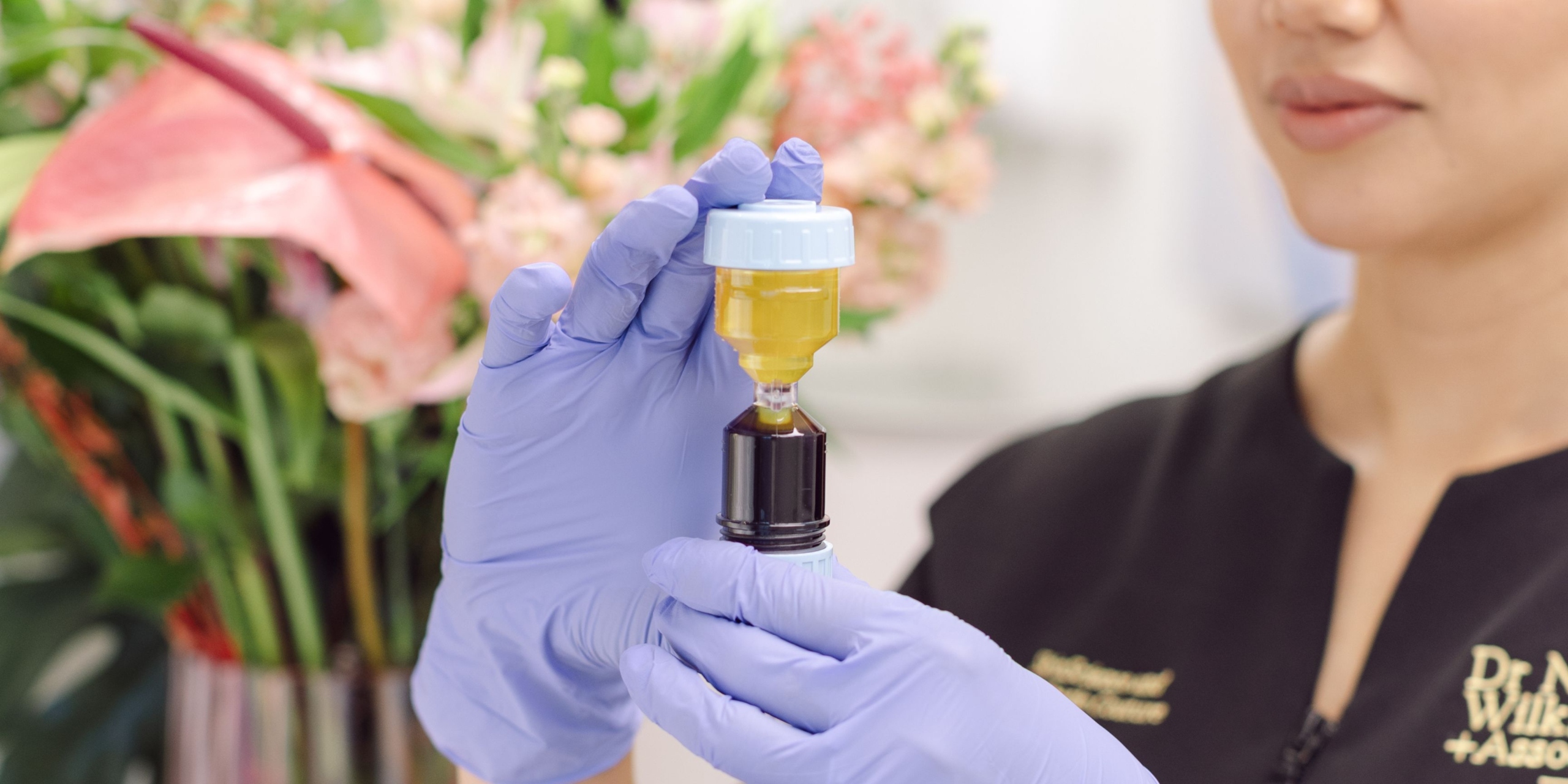
Rather than masking signs of ageing, regenerative treatments aim to improve the quality and health of the skin tissue itself (think of treatments such as PRP (platelet-rich plasma) and PRF (platelet-rich fibrin) injections). This includes improving collagen quality, blood supply, cellular communication and reducing chronic inflammation within the skin.
Regenerative treatments tend to work more gradually. You won’t walk out looking dramatically different the same day — but over weeks and months, skin becomes stronger, healthier and more resilient. The results look natural because they are driven by your own biology.
Biostimulation: Not All Stimulation Is the Same
Biostimulation is a term that’s used a lot, but it actually refers to two very different biological pathways. Understanding this distinction is key to choosing the right treatment at the right time.
To explain this properly, we need to talk briefly about collagen. Your skin relies mainly on two types. Type I collagen provides strength and structure. Type III collagen is softer, more elastic and is associated with youthful, supple skin. Younger skin contains a higher proportion of Type III collagen. As we age, this balance shifts toward Type I collagen, which can lead to skin that feels firmer but less flexible.
Different treatments influence this balance in different ways.
Biorestructuring: Repair Through Controlled Damage
Biorestructuring treatments work by creating a controlled injury or inflammatory response in the skin. This triggers the body’s natural wound-healing process, leading to new collagen formation — predominantly Type I collagen.
You can think of this as repairing a damaged structure. It strengthens and reinforces, but the repair tissue isn’t quite the same as the original.
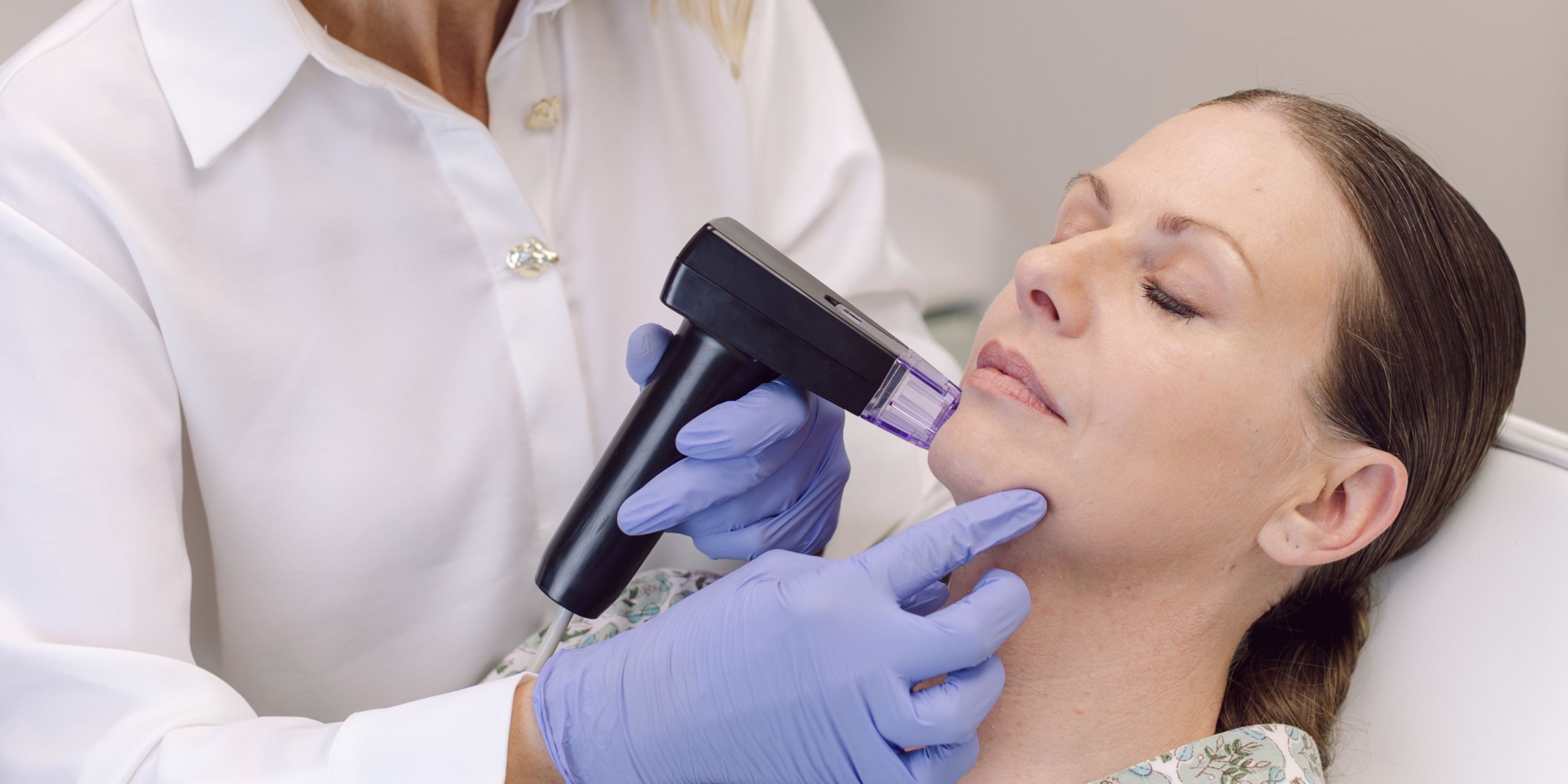
Aesthetic injectables like poly-L-lactic acid and calcium hydroxylapatite, energy-based treatments such as radiofrequency microneedling and fractional lasers, and collagen-stimulating threads all fall into this category. These treatments can be very effective for improving firmness and structure, particularly when skin laxity is a concern.
However, because they rely on inflammation and repair, they don’t necessarily restore youthful skin function on their own.
Physiological Biostimulation: Feeding the Skin to Function Better
True physiological biostimulation takes a different approach. Instead of relying on damage to stimulate repair, it focuses on giving the skin the signals and building blocks it needs to regenerate in a more youthful, balanced way.
These treatments encourage the production of Type III collagen, elastin and healthy hyaluronic acid. The goal isn’t just firmer skin, but skin that feels supple, hydrated and biologically healthier.
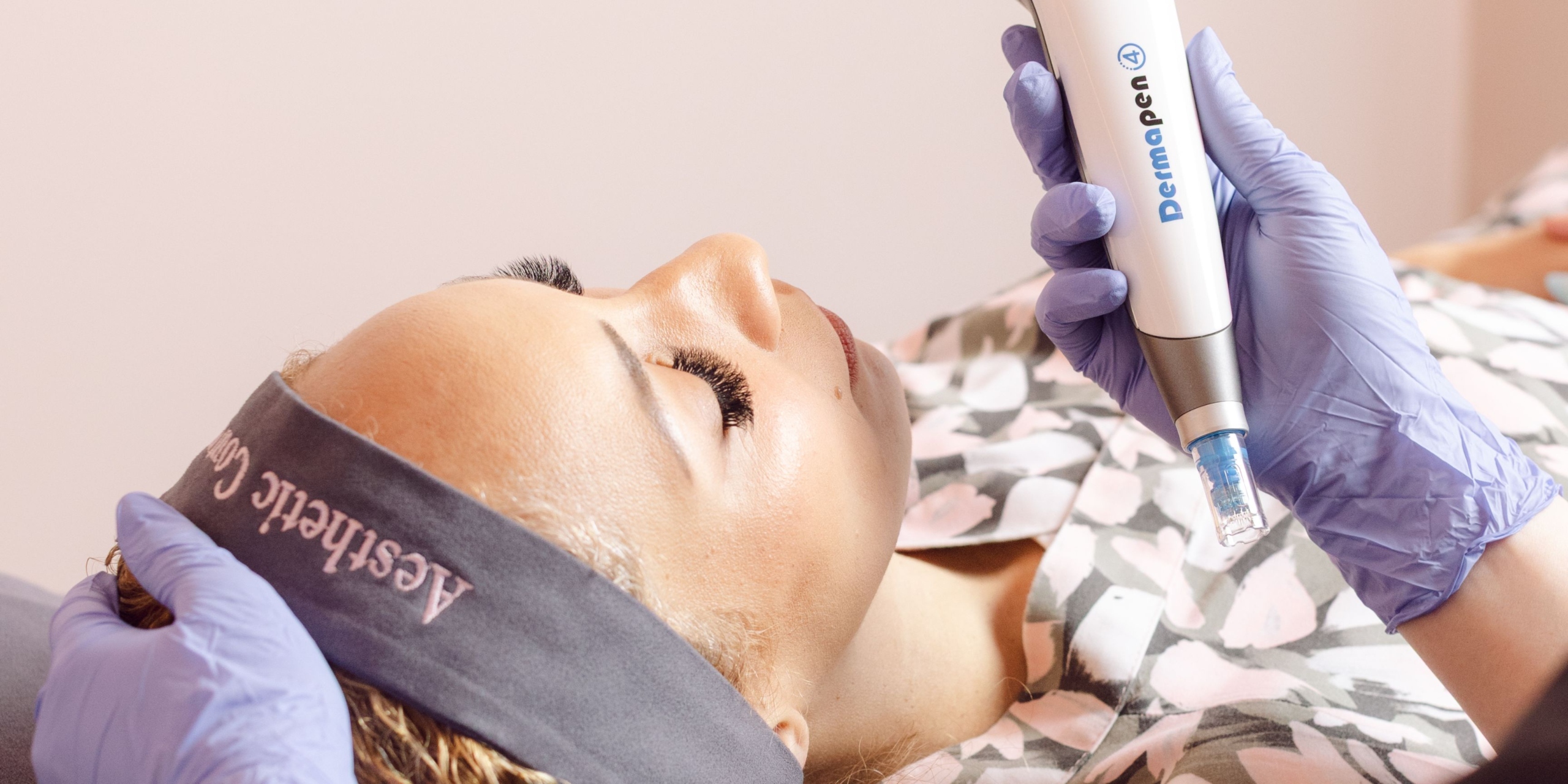
Treatments such as PRP and PRF, stem-cell–rich nano-fat, fat grafting, mesotherapy and medical microneedling work by supporting natural cellular processes and soft tissue. They improve the skin environment so that cells can function more optimally.
This approach takes patience. Changes develop slowly, but the results tend to be long-lasting and deeply restorative.
Why Language Matters More Than You Realise
When aesthetic terms are used loosely, patients often expect results that a treatment simply can’t deliver. At Dr Nerina Wilkinson + Associates, we’re very intentional about using precise language because it allows us to set realistic expectations and design treatment plans that truly suit your skin.
Clear terminology helps us personalise your care, guide long-term skin health and maintain a medically ethical approach. It also ensures that you understand not just what we’re doing, but why we’re doing it.
A Smarter Way to Age Well
The most natural and beautiful outcomes don’t come from chasing trends or relying on one type of treatment. They come from understanding when to rejuvenate the surface, when to regenerate deeper tissues, and which biostimulatory pathway to activate.
Think of it as a long-term investment in your skin’s health. When treatments are layered thoughtfully and timed correctly, the results are harmonious, subtle and enduring.
Your Next Step
If you feel unsure about which treatments are right for you, that’s completely normal. A consultation at Dr Nerina Wilkinson + Associates is about understanding your skin at a biological level — not rushing into treatments.
Together, we assess how your skin is ageing, what it needs, and what your personal goals are. From there, we create a phased, bespoke plan rooted in regenerative science rather than marketing trends.
Our aim is simple: to restore — not change — the most confident, healthy and natural version of you.
Email us at capetown@drnwilkinson.co.za for more information.